ConciseTravel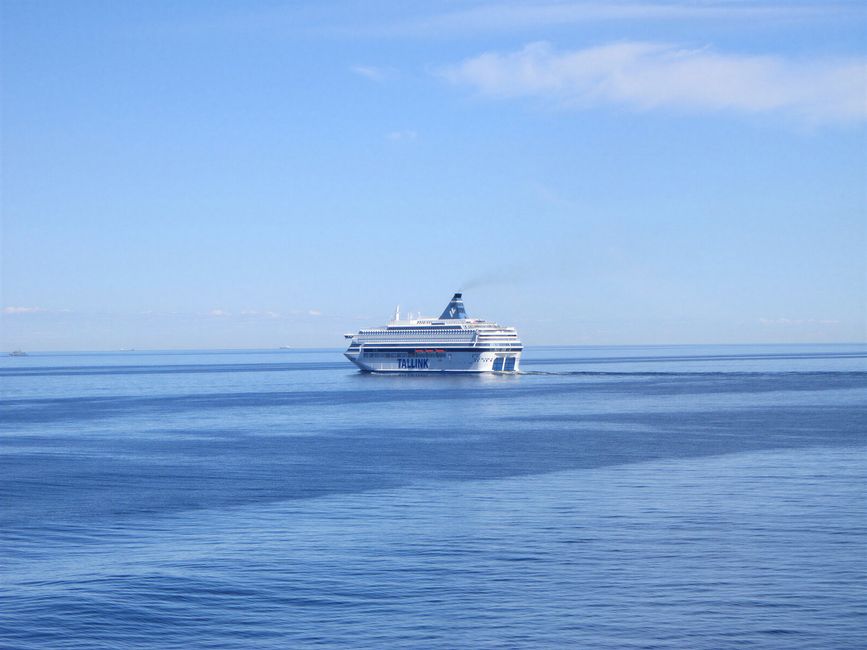
Tallinn and Helsinki make one of the cleanest two-city combinations in northern Europe. The ferry crossing takes 2.5 hours, the cities are architecturally and culturally distinct without being jarring in combination, and the whole trip can be done without a single flight between the two. It is a straightforward itinerary to plan and a genuinely satisfying one to do.
Why This Combination Works
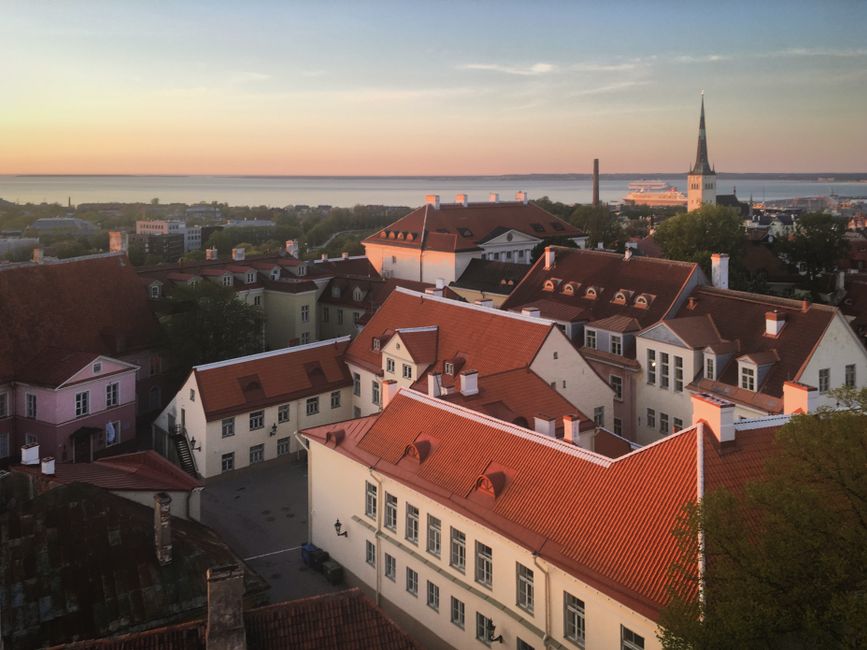
Tallinn is the immediately striking city: a medieval walled old town on a limestone escarpment, visually dramatic from almost every angle, and one of the best-preserved Gothic city centres in northern Europe. Helsinki is quieter and more considered: a 19th-century planned capital with strong design and architecture culture, a working harbour, and a food scene that has improved significantly in the last decade. The contrast is the point. Tallinn delivers visual drama and historical depth; Helsinki delivers Nordic calm, excellent coffee, and design museums. Budget-wise, Tallinn is significantly cheaper, which helps balance a trip that includes Helsinki's higher price point.
Recommended Split
For a short trip (5 nights total): 3 nights Tallinn, 2 nights Helsinki. Tallinn has more to explore at a slower pace, and the extra night earns the Telliskivi creative district and the Kalamaja neighbourhood beyond the old town tourist core.
For a longer trip (7-8 nights total): 4 nights Tallinn, 3-4 nights Helsinki. The additional Helsinki nights allow for a day trip to Suomenlinna, the sea fortress island accessible by regular ferry from the harbour, and more time in the design district. The Tallinn-Helsinki ferry connection is also covered in the Tallinn day trips guide.
Getting Between the Cities
The Tallinn-Helsinki ferry is the practical and enjoyable connection. Tallink Silja and Viking Line both operate the route from Tallinn's D-terminal (Linnahall area) to Helsinki's South Harbour. Crossing time is around 2.5 hours. Return fares typically run €30-60 depending on season and how far ahead you book. The standard passenger service requires no cabin booking, though a cabin is available for longer or overnight sailings. The ferry runs multiple times daily in summer.
Book your ferry alongside your flights rather than separately: schedules fill up in July and August, and the pricing logic rewards early booking.
Which City to Visit First
Fly into Tallinn, take the ferry to Helsinki, and fly home from Helsinki. This is the most logistically clean route: you avoid backtracking, and it ends the trip in the more expensive city, which limits the damage to your budget by placing cheaper Tallinn first. Tallinn is also the more visually dramatic arrival, which sets the trip up well.
The reverse works if your flight options dictate it. Helsinki-first is slightly less logical but functions perfectly.
What Each City Adds to the Trip
Tallinn
Tallinn's medieval old town (Vanalinn) is a UNESCO World Heritage Site and one of the most complete Gothic city centres in Europe: the town wall with its towers largely intact, the Gothic Town Hall on the main square, the limestone upper town (Toompea) with its cathedral and castle overlooking the lower city. Beyond the old town, Telliskivi Creative City and the Kalamaja neighbourhood (old wooden architecture, independent cafes, the Balti Jaama Turg food market) provide the contemporary layer. Tallinn is compact enough to cover on foot in two full days, with a third day for the outlying areas.
Helsinki
Helsinki handles architecture and design in a specifically Nordic way: practical, considered, and not showy. The city's highlights include the Senate Square and Helsinki Cathedral, the covered Market Hall (Vanha Kauppahalli) on the harbour, the Temppeliaukio Church cut directly into granite bedrock, and the Design District for shopping and museums. The harbour itself is active and pleasant: the ferry terminal, the outdoor market, and the views toward the islands. Suomenlinna sea fortress, a 45-minute round trip by regular ferry, is a full afternoon and one of the best day trips in Scandinavia.