 ConciseTravel
Holyrood Palace sits at the east end of the Royal Mile and is the official Scottish residence of the British Royal Family. It's the focal point of three centuries of Scottish royal history, including some of the most dramatic moments in the nation's past. It's also a functioning royal residence, which complicates visits.
The Basic Facts
Full name: Palace of Holyroodhouse
When open to visitors: Generally April-October, when the Royal Family isn't in residence. Check ahead—royal visits change dates.
Cost: £17.50 adults, £12 children (or free if you have Historic Scotland Annual Pass)
Time needed: 90 minutes comfortably, 30 minutes if rushing
Type of experience: Self-guided audio tour (much better than standard museum exhibits)
The History (Brief Version)
Holyrood started as an abbey in the 12th century. The palace developed around it over centuries as Scottish royalty built onto the site. The main palace structure dates to the 16th century, though most of what you see was rebuilt in the 17th century.
The most famous historical moment: Mary Queen of Scots was imprisoned here in 1561. Her secretary and possible lover David Rizzio was murdered in her chambers—his body is supposedly still marked on the floor. This is the event that draws half the visitors.
The palace has housed every Scottish monarch since and continues to be where the Royal Family stays during official visits. Currently, it hosts the Scottish Parliament's ceremonial functions (the Parliament itself is in a separate building nearby).
What You Actually See on a Visit
The State Rooms: Elegant 18th-century formal rooms. Beautiful but not dramatically different from other historic palaces. You'll walk through quickly unless you're genuinely into period interiors.
Mary Queen of Scots' Chambers: The apartment where Mary was held. It's small, austere, and oddly interesting. The emotional weight of the history is heavier than the physical space.
The Great Gallery: A long portrait gallery filled with (allegedly) every Scottish king since Pictish times. Spoiler: many of these are invented portraits—historians filled in gaps with imaginary kings because the records were incomplete. It's a bit of a historical fraud, but it's charming. The paintings are genuinely lovely even if the subjects might be fictional.
The Chapel Royal: Where royal services were held. It's modest by palace standards but atmospheric.
The Abbey Ruins: Outside the palace, the remains of the original abbey. They're peaceful and interesting if you're into ruins, but they're not dramatic.
The Audio Guide Experience
The palace provides audio guides (included in admission). They're actually good—informative without being overwhelming. You move through at your own pace, listening to historical context. This is way better than trying to read plaques or having a tour guide rush you.
The guards are friendly if you have questions. The whole experience feels less formal than it might seem from the outside.
Practical Stuff
Best time to visit: Morning slots are less crowded. Late afternoon is quieter and the light is better for photography (but the palace closes at 4:30pm, so you need to be out by then).
Accessibility: It's a historic palace with stairs and medieval architecture. Not fully accessible. Wheelchair users can visit the ground floor state rooms but not the upper floors.
Photography: You can photograph most of the palace, though some areas are restricted. Don't expect to get dramatic shots—the interiors are period but not visually explosive.
Tickets: Book online ahead if visiting peak season. Walk-up tickets exist but might have waits.
The Honest Assessment
Holyrood Palace is worth visiting, but it's not essential. The main draw is history—if you're interested in Mary Queen of Scots or Scottish royal history, it's genuinely engaging. If you're visiting for visual drama or architectural grandeur, you might find it underwhelming. The rooms are beautiful but modest compared to English palaces like Hampton Court.
The Mary Queen of Scots angle is legitimate—her story is genuinely dramatic and the palace is where key moments happened. But if you don't know her history before arriving, the audio guide can't convey the full emotional weight in a 10-minute presentation.
Context: How It Compares
Edinburgh Castle is more visually dramatic and has better views. Holyrood Palace is more historically intimate. If you could only visit one, choose the castle. If you have time for both, Holyrood adds genuine context—you understand the power structure better, and the history becomes less abstract.
Optional: The Scottish Parliament Building
Directly adjacent to Holyrood Palace is the Scottish Parliament, a modern (opened 1999) building that's architecturally controversial but interesting. If you're curious about contemporary Scottish government, there are free guided tours. Most tourists skip this, but it's worth 20 minutes if you're into modern architecture or Scottish politics.
Timing Strategy
Walk from the castle down the Royal Mile (1 mile, 20-30 minutes exploring), arrive at Holyrood Palace. Spend 90 minutes inside, then have an option:
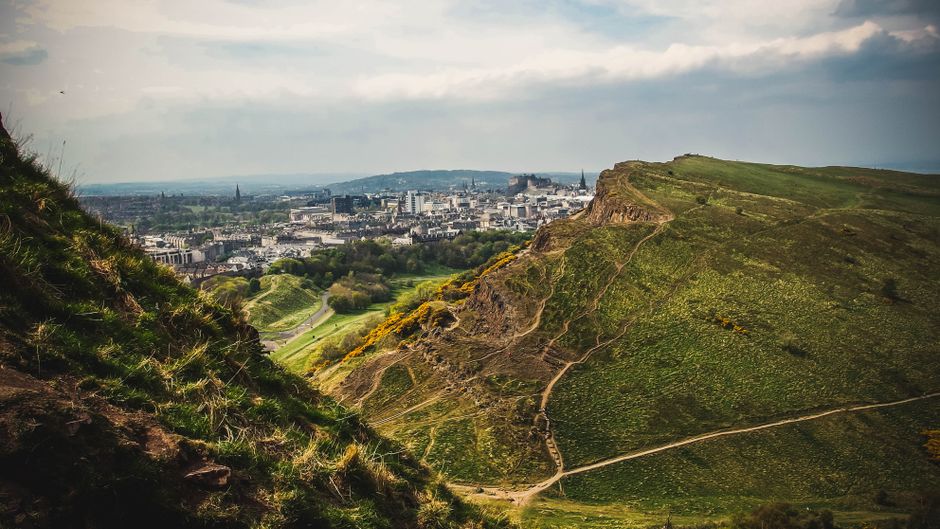
Option A: Exit the palace and walk to Arthur's Seat (visible from the palace, short walk, 1.5 hours to summit and back).
Option B: Exit and explore Holyrood Park (the grounds, peaceful, free).
Option C: Finish at the palace and head to Leith or another neighborhood for dinner.
The palace is perfectly positioned—it's not a day trip to itself, but it's part of a natural eastward flow from the castle.
Visiting Without a Tour
You don't need a guide. The audio guide is sufficient and actually allows you to move at your own pace better than a human guide would. This is genuinely one of the better self-guided museum experiences in the UK.