 ConciseTravel
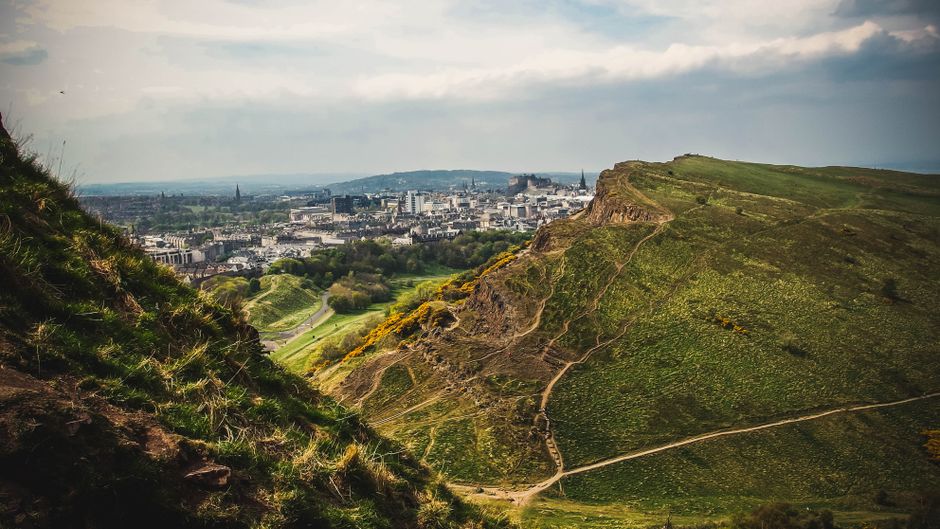
Arthur's Seat is a 250-million-year-old extinct volcano, 822 metres high, in the middle of Edinburgh. It's a 30-minute walk from Holyrood Palace. It's the best thing most visitors don't do in Edinburgh because they assume it's harder than it actually is.
The Facts
Height: 822m (2,697 feet). For reference, that's higher than many "proper" mountains if you're measuring from sea level. But since you start at roughly 50m elevation, you're actually climbing about 770m.
Time: 30 minutes up, 30 minutes down, 10 minutes on top. Plan 1.5 hours total if you're reasonably fit. Add 30 minutes if you're slow or want to enjoy the views.
Difficulty: Moderate. It's not a walk—there are steep sections and loose rock. But it's not a technical climb. Anyone with basic fitness can do it. Kids do it. Elderly people do it.
Cost: Free. Completely free.
Trailhead: Holyrood Park, accessed from Holyrood Palace, the foot of the Royal Mile, or near the Scottish Parliament.
The Route: Three Options
The Direct Route (East Side): Start from the Holyrood Palace car park or the Parliament area. This is the most direct line up. The path is steeper than the other options, more loose rock, genuinely challenging but shortest. 20-25 minutes up. Best for fit people or those wanting maximum efficiency.
The Gradual Route (South Side): Start from Duddingston Loch (a small lake on the south side of Arthur's Seat). This route is gentler, longer, with switchbacks instead of straight uphill. It's easier on the knees and thighs. Takes about 40 minutes but feels less intense. Best for people with dodgy knees or who prefer a gentler approach.
The Scenic Route (West Side): Combined with the previous routes, this loops the hill and includes Salsbury Crags, another rocky outcrop. It takes longer (2 hours+) but covers more ground and is genuinely pleasant. Best for people who want a proper walk rather than just a peak bag.
What You'll See from the Summit
On a clear day (which is maybe 50% of days in Scotland), you can see:
- Edinburgh city sprawling below
- The Forth Bridge to the north
- The Pentland Hills to the south
- On very clear days, the Cairngorms to the northwest
- The Lothian countryside rolling away
On a grey day (the other 50% of days), you'll see: clouds. The view might clear briefly, or you might spend 10 minutes at the summit seeing nothing. The weather in Scotland is genuinely unpredictable. But even a grey day has atmospheric qualities—the city below disappears into mist, the rock formations become more dramatic.
Practical Stuff
What to bring:
- Decent shoes (not trainers, not flip-flops). The rock is loose and steep; you need ankle support.
- Water (at least 500ml). The walk is short but exposed and you get thirsty.
- Weather-appropriate layer. Edinburgh wind at altitude is real. Even if it's calm below, it's windy up there.
- Phone for emergencies and for photos. The views are genuinely worth photographing.
What you don't need:
- Crampons (it's not ice climbing)
- Technical climbing gear
- Special hiking boots (good trainers work, though proper hiking shoes are better)
- A guide (the paths are clear and well-marked)
When to go: Early morning (8-10am) for best light and fewest people. Late afternoon for golden hour light. Midday is fine if the weather is good, but the light is flat.
Best season: May-September for best weather. October is good if the weather cooperates. Winter is possible but more slippery and darker. Spring is muddy.
The View from Below
If you don't hike Arthur's Seat, you can see it from most of Edinburgh. It dominates the east side of the city and is a landmark you'll recognize from any central location. The silhouette is distinctive and immediately tells you where you are.
Why You Should Actually Do This
Arthur's Seat takes 1.5 hours out of your day and gives you the single best perspective on Edinburgh as a place. From the summit, you understand the city's geography, its relationship to the surrounding landscape, and why it's positioned where it is. The tourists who skip this because they assume it's a "proper hike" miss out on the best free view in the city.
It's also the best physical thing you can do in Edinburgh without being seriously athletic. It's doable, it's rewarding, and it doesn't require special equipment or training.
Potential Issues
Loose rock: Some sections are genuinely loose. Watch your footing, especially on the way down (impact on loose rock is harder on knees).
Wind: Real wind at the summit, especially in winter. It's not dangerous but it's uncomfortable.
Crowds: Arthur's Seat gets busy, especially at weekends in summer. Early morning or weekdays are quieter.
Weather changes: Scottish weather is unpredictable. If it's clear in the morning, don't assume it'll stay clear. Mist can roll in suddenly. Check the forecast but don't let marginal weather stop you.
Darkness: Don't attempt this in darkness or when it's getting dark. You'll lose the path easily and the rock is loose. Daylight only.
When to Skip It
If you have injured knees or ankles, the descent is harder than the ascent. If mobility is limited, it's not accessible. If the weather is genuinely dangerous (storm warnings, heavy rain), skip it. If you're jet-lagged and exhausted, give yourself a day to acclimate first.
The Bottom Line
Arthur's Seat is the best activity Edinburgh offers that most visitors skip. It's free, it's short, it's rewarding, and the views justify the effort. Do it early in your trip, do it on a decent-weather day, and you'll understand Edinburgh far better than if you'd spent the same 1.5 hours in shops on the Royal Mile.