 ConciseTravel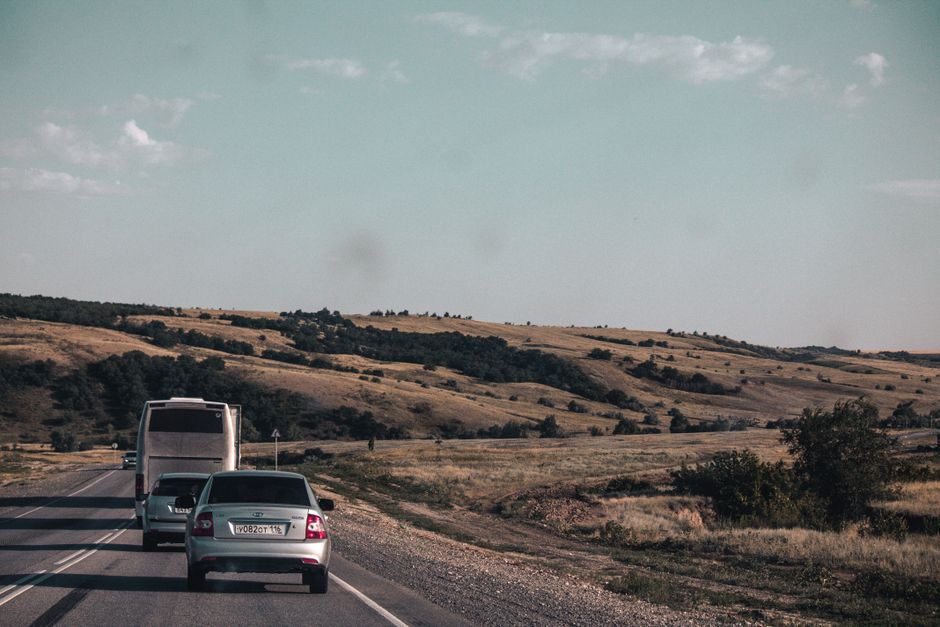
Train or Car: The Decision That Shapes Your Whole Trip
How you get to the Peak District matters more than people realise. It is not just about convenience at the start of the trip. It changes where you can stay, how freely you can roam, and whether you spend your evenings in a country pub or hunting for a parking space.
Here is what you need to know before you book anything.
Coming by Train
The rail network does not cover the Peak District interior, but it gets you surprisingly close to some of the best bits.
The Hope Valley Line
This is the one. The Hope Valley Line runs east to west between Manchester Piccadilly and Sheffield, slicing right through the heart of the national park. Stations include Edale, Hope, Bamford, Hathersage, and Grindleford. All of them sit within walking distance of serious walking country.
Edale is the start of the Pennine Way and the launchpad for Kinder Scout. Hope gives you direct access to Castleton and the caves. Hathersage has outdoor shops, a pool, and great pubs. Getting off at any of these and heading straight uphill requires no car, no taxi, and no fuss.
Train times from Manchester Piccadilly to Edale run to around 50 minutes. From Sheffield, you can be in Edale in about 35 minutes. Trains run roughly every hour throughout the day.
Getting to Bakewell by Train
Here is the honest answer: you cannot get to Bakewell by train. The nearest stations are Matlock (on the Derwent Valley line from Derby) and the Hope Valley stations to the north. From Matlock, the Transpeak bus connects through to Bakewell. From the Hope Valley side, you need a local bus or taxi.
If Bakewell is your main base, the train is possible but fiddly. A car or a combination of train and bus works better.
From London
The fastest approach is London St Pancras to Sheffield (around 2 hours on East Midlands Railway), then the Hope Valley Line west. Alternatively, London Euston to Manchester Piccadilly (just over 2 hours), then east on the Hope Valley Line. Both work well.
Coming by Car
The Peak District sits neatly between the M1 to the east and the M6 to the west. Most of the interior is reached via A-roads and B-roads that feel entirely different from motorway driving: narrower, more scenic, and occasionally shared with sheep.
Drive Times from Major Cities
- Manchester: around 45 minutes to the northern Peaks
- Sheffield: around 30 minutes to Hathersage or Castleton
- London: around 3 hours to Bakewell via the M1
- Birmingham: around 1.5 hours to the southern Peak District
The Case for Driving
A car unlocks the parts of the Peak District that public transport simply does not reach. Villages like Hartington, Tideswell, Longnor, and Eyam have no reliable regular bus. Farm shops, remote trailheads, and smaller viewpoints are only accessible on foot or by car.
If you want to explore freely across the White Peak and Dark Peak on the same trip, and if you are staying somewhere without a train connection, driving makes life considerably easier.
The Catch
Car parks at popular spots fill up early on summer weekends. Mam Tor, Dovedale, and Stanage Edge can all have full car parks by 9am on a sunny Saturday. Narrow lanes through villages occasionally need patience and the willingness to reverse for a hundred metres. And petrol stations concentrate in larger towns like Buxton and Bakewell, so fill up before heading into the remote areas.
Which Should You Choose?
A few honest rules of thumb:
- Train to Edale or Hope if you are primarily a walker and your base is along the Hope Valley. You will not need a car for most of what you want to do.
- Train plus Transpeak bus if you want to reach Bakewell or Buxton without a car but are happy with some logistical planning.
- Car if you are based anywhere off the rail line, want maximum flexibility, are travelling with family, or have heavy luggage and camping gear.
- Both is also a valid strategy. Trains can act as a shuttle for linear walks where you park at one end and travel back from the other.
A Word on Parking
If you drive, budget time and potentially money for parking. Many Peak District car parks are Pay and Display or run on the honesty box system. The National Trust operates several and they do sometimes fill. Arriving before 9am at popular spots is not extreme advice. It is just practical.
The ConciseTravel Peak District guide goes deeper on logistics once you arrive, covering specific car parks, bus routes, and getting around once you have made it in.