ConciseTravel
The difference between eating like a tourist and eating like a local in Brussels is stark. Tourist restaurants charge you €20 for a sandwich near the Grand Place. Local restaurants charge you €8 for a decent lunch with sides.
Here's how to eat like a real Brussels person.
The Daily Special (Plat du Jour)
Most neighbourhood restaurants have a daily special: a main course that changes each day, priced between €8-15. It's usually on a chalkboard near the counter or printed on a small menu.
The special is designed for workers grabbing lunch. It's hearty, well-prepared, and cheap. This is how locals eat.
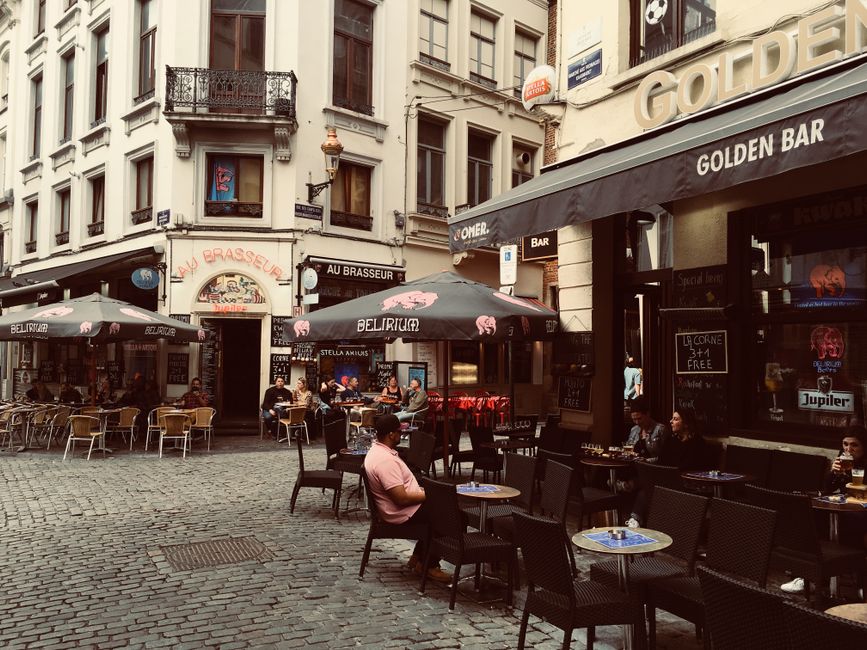
How to spot these restaurants: Look for places where men in workboots and construction vests are eating. Look for chalkboards with handwritten menus. Look for tables with locals lingering over food, not tourists snapping photos.
These places are in:
- Marolles (most authentic)
- Ixelles (good quality)
- St-Gilles (genuine)
- EU Quarter (workingclass cafés)
- Neighborhoods you've never heard of
Not near: Grand Place, Sablon, major tourist routes.
What's on the Daily Special
Varies, but expect:
- A main course (roasted chicken, fish, meat with sauce)
- Vegetables (usually just potatoes, sometimes sides)
- Bread
- Drink (beer, coffee, or soft drink)
- Dessert occasionally
It's filling, honest food. Not fancy. Not tiny precious portions. You'll actually be satisfied.
How to Order (Without Looking Helpless)
Walk in around noon (peak lunch hour). Ask "C'est quoi le plat du jour?" (What's the daily special?) or look at the board. Point and say "Je prends ça" (I'll take that).
Sit down. The food comes. Eat. Pay. €8-15 total depending on the restaurant.
Many places don't speak English (which is often a sign of authenticity). Have Google Translate ready or just point at the board.
Best Neighbourhoods for Local Food
Marolles: Most working-class, most authentic. Walk around, find a café, order the daily special. You're eating how real Brussels people eat.
Ixelles: More sophisticated but still local. Better quality food while maintaining authenticity.
St-Gilles: Mixed vibe. Young people, workers, bohemian energy. Good restaurants at local prices.
EU Quarter: Cafés packed with government workers. Quick, cheap, honest food.
Side streets in any neighborhood: Off the main drag, you'll find real restaurants. Walk around, look for where locals eat.
Red Flags for Tourist Traps
- Menu with 20+ pages
- Photos of food in window
- Staff aggressively greeting you outside
- Prices over €18 for a main
- Location on a famous street or near a monument
- Multiple languages on the menu (it's targeting tourists)
Green Flags for Local Spots
- Chalkboard with handwritten menu
- Mostly male clientele (workers)
- Sparse, clean interior (not designed, just functional)
- Staff not speaking English (or barely)
- Same people eating there every day (you can tell—they sit at their regular table)
- Reasonable prices (€10-15 for a full lunch)
A Real Example
You're in Marolles. It's noon. You walk past a tiny café with 6 tables. Chalkboard says "Carbonnade, frites, pain, bière €12." You walk in. An older woman (the owner) nods. You sit. Food comes in 10 minutes. You eat well. You pay €12. You leave thinking "that's how it should be."
That's eating like a local.
Practical Strategy
Day 1-2: Eat at touristy places to understand what not to do.
Day 3-7: Find a neighbourhood restaurant with a daily special. Become a regular (or at least pretend to be). Eat well, spend little.
Weekend strategy: Markets have food vendors (frites, sandwiches). Grab street food. Cheaper than restaurants, genuine experience.
Dinner: Restaurants get pricier at dinner. Lunch is the time to find deals. For dinner, pick a neighborhood restaurant and order a full menu (€15-25 for a main). Still cheaper than tourist places, better quality.
Cultural Notes
- Service is slower than you might expect (this is Europe, not America)
- Tipping isn't expected but small change (€1-2) is appreciated
- Belgians don't rush meals
- No expectation to turn tables quickly
- You're welcome to sit for an hour after finishing
Menu Items to Understand
- Assiette: Plate
- Plat du jour: Daily special
- Frites/Patat: Fries
- Viande: Meat
- Poisson: Fish
- Fromage: Cheese
- Bière: Beer
- Pain: Bread
Learn these and you can order anywhere.
The Real Advantage
Eating like a local means:
- Better food (places depend on repeat customers, so quality matters)
- Cheaper prices (you're not paying for location or tourism)
- Authentic experience (you're eating where Brussels people eat)
- Better stories (you'll meet other diners, have unexpected conversations)
A €12 lunch in Marolles with locals beats a €25 lunch near the Grand Place every time.
When to Eat
Breakfast: 7-9am, at a café (coffee + pastry, €5) Lunch: 12-2pm (plat du jour time) Dinner: 7-9pm (earlier than major cities, many kitchens close by 10pm) After-hours: Bars and cafés stay open, but food service ends early.
The Mindset
Eating like a local isn't about being trendy or performative. It's about eating honestly. Food that's prepared for real people eating real meals, not for Instagram or guidebook mentions.
It's the most genuine Brussels experience available. Do it.