 ConciseTravel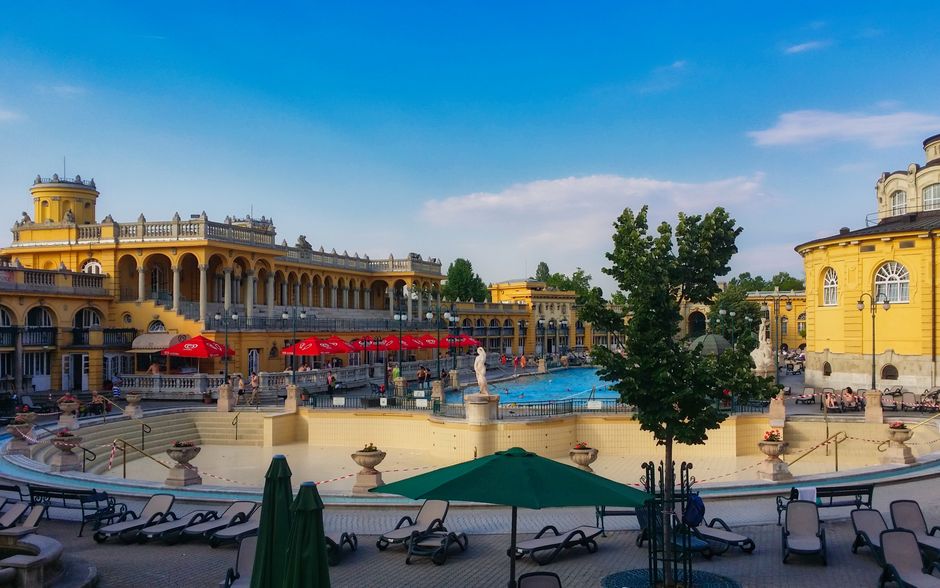
Budapest sits on natural thermal springs. Hot mineral water bubbles up from the earth, and for centuries, people have been bathing in it. Today there are dozens of thermal baths in the city, ranging from medical facilities to tourist attractions. Three stand out as the main options: Széchenyi (biggest and most touristy), Gellért (most elegant), and Rudas (most authentic).
This is an honest comparison so you can pick without regret.
Széchenyi Thermal Bath: The Experience
Széchenyi is the most famous, the most tourist-visited, the most "resort-like." It has 18 indoor pools and 3 massive outdoor pools in City Park. The outdoor pools steam in winter, creating the iconic "bathing in winter" photo that every travel magazine features.
The vibe: Chaotic, social, party-like. The outdoor pools especially feel like a festival. People are swimming, people are soaking, people are chatting, some are clearly getting tipsy (you can bring alcohol into the baths, which causes exactly the atmosphere you'd expect).
The cost: 5,500 HUF for a day pass (about €18.50), 6,500 HUF with locker (you need this for security). Towel rental is 1,500 HUF extra. So you're looking at €20-23 all-in.
The water: Genuinely warm and mineral-rich. It's therapeutic if you let it be, but it's hard to find quiet contemplation when there are 200 people in the same pool as you.
Best for: First-time visitors, people who want the "classic Budapest experience," solo travellers who want to meet people, people who enjoy a social atmosphere.
Worst for: Anyone seeking peace and quiet, people who get anxious in crowds, people looking for a therapeutic spa experience.
Time needed: 2-3 hours if you want to experience a few different pools and actually relax.
Gellért Bath: The Elegant Option
Gellért sits at the base of Gellért Hill on the Buda side. It's smaller and more refined than Széchenyi. It has 10 indoor pools and a small outdoor pool. The architecture is Art Nouveau, elegant, historical. It's part of the Gellért Hotel, but non-hotel guests can pay for day access.
The vibe: Peaceful, slightly older crowd, therapeutic. People come here to actually soak and relax, not to party. It feels like a proper spa.
The cost: 5,300 HUF for a day pass (€17.50), slightly less than Széchenyi. Lockers and towels follow the same pricing structure.
The water: Identical mineral composition to Széchenyi (it's the same spring, essentially). The temperature and therapeutic properties are the same.
Best for: People seeking a spa experience, couples wanting romance, people who want to avoid crowds, people interested in Art Nouveau architecture.
Worst for: People who want the "famous" experience, people who want a huge social atmosphere.
Time needed: 1.5-3 hours depending on how much you want to soak.
Rudas Bath: The Authentic Option
Rudas is the oldest continuously-operating thermal bath in Budapest (first built in the 16th century during the Ottoman occupation). It's on the Buda side, smaller than the other two, with a beautiful Ottoman-era architecture (octagonal pool under a dome with skylights).
The vibe: Authentic, local, less touristy. You'll see locals here, not just tourists. It feels like you're actually participating in a Hungarian tradition rather than visiting a tourist attraction.
The cost: 4,000 HUF for a day pass (€13.50). Cheapest of the three. Lockers and towels are standard pricing.
The water: Same springs, same therapeutic properties.
Best for: People who want the "real" Budapest experience, architecture enthusiasts, people seeking quieter atmospheres, budget-conscious travellers.
Worst for: People who want the famous resort atmosphere, people wanting massive pools and lots of options.
Time needed: 1.5-2 hours.
The Specific Pools Breakdown
Széchenyi:
- Main outdoor pool: huge, steaming, full of people, chaotic, genuinely fun
- Smaller outdoor pools: quieter, still crowded
- Indoor pools: vary in temperature, many people soaking
- Best pool: the main yellow outdoor pool in winter with steam
Gellért:
- Main indoor pool: beautiful architecture, warm, peaceful
- Smaller indoor pools: variety of temperatures
- Outdoor pool: small, elegant, peaceful
- Best pool: the main indoor pool for pure relaxation
Rudas:
- Ottoman-era octagonal pool: the main attraction, beautiful dome, skylights, genuinely historic
- Other pools: smaller, quieter
- Rooftop pool: recently added, views over Budapest, heated year-round
- Best pool: the Ottoman pool for the historical experience
Temperature Guidance
All three baths offer pools of varying temperatures. Typical range is 28-42°C (82-108°F). The hotter pools are therapeutic (good for sore joints), but you can only stay in them for 15-20 minutes before overheating. Cooler pools (28-32°C) you can sit in for hours.
Start in cool water, warm up gradually. Don't jump from hot to cold abruptly—it's a shock to your system.
What to Bring
- Swimsuit (mandatory)
- Towel (you can rent, but bring your own to save money)
- Shower shoes (the floors are slippery and wet, and cleanliness is an issue in public baths)
- Toiletries (locker rooms have basic showers)
- Cap for hair (optional but some pools have a hair policy)
Most baths provide lockers, showers, and basic facilities. Bring a plastic bag for wet clothes.
Etiquette
- Shower before entering any pool (it's mandatory and it's basic hygiene)
- Don't use hairdryers excessively (considerate to others)
- Don't splash excessively
- Swimming goggles are fine
- Don't block the pool walkway
The atmosphere is relaxed but respect for others is expected.
Cost Comparison (All-in per person)
| Bath | Day pass | Locker | Towel | Total |
|---|---|---|---|---|
| Széchenyi | €18.50 | €2 | €4 | €24.50 |
| Gellért | €17.50 | €2 | €4 | €23.50 |
| Rudas | €13.50 | €2 | €4 | €19.50 |
Rudas is cheapest. The experience difference is worth the extra €4-5 for Gellért if you want peace.
Best Time to Visit
Winter (Nov-Feb): Széchenyi is magical in winter with the steaming outdoor pools. Gellért and Rudas are less dramatic but still beautiful. Fewer tourists overall. Come in late afternoon (4-5pm) for the best light and fewer crowds.
Summer (Jun-Aug): Hot outside, hot in the baths, less appealing. Early morning (8-9am) is best to avoid crowds and the heat.
Spring/Autumn: Perfect. Comfortable outside, good for bathing. Not too crowded.
My Recommendation
First time in Budapest? Széchenyi. You want the famous experience, the outdoor pools, the social atmosphere. It's chaotic but it's the classic Budapest bath experience. Go in late afternoon (4pm) when crowds are lower but the light is still good.
Seeking peace and spa vibes? Gellért. You get the same therapeutic water, a more elegant atmosphere, and it's less crowded.
Want authenticity? Rudas. You get the historical experience, the Ottoman architecture, and you're bathing where locals actually bathe. It's the real deal.
Budget-conscious and want all three? Do Rudas in the morning (2 hours, €19), Gellért in the afternoon (2 hours, €23). Skip Széchenyi if budget is tight.
Practical Logistics
All three are accessible by public transport:
- Széchenyi: Metro M1 to Széchenyi fürdő stop
- Gellért: Tram #19 or #47 to Gellért fürdő stop
- Rudas: Tram #19 or #47 to Rudas fürdő stop
Travel time between them: 15-20 minutes maximum.
Most baths allow a re-entry stamp if you need to leave and come back (get the stamp when you leave, re-enter for free that same day).
Don't Expect
- A quiet, meditative spa day if you go to Széchenyi
- A massive resort experience at Rudas
- A wild social scene at Gellért
- Privacy (these are public baths, not private spas)
Each has a distinct character. Know what you're getting.
The Verdict
All three deliver genuine thermal bath experiences. Széchenyi is the bucket-list experience. Gellért is the elegant retreat. Rudas is the authentic local tradition.
If you have time for only one: Széchenyi for the experience, or Rudas for authenticity. Both are genuinely worth your time.
Master Budapest in Minutes
Don't waste hours planning. Get our condensed, digital cheat sheet with everything you actually need.
Shop Guide on Etsy →