 ConciseTravel
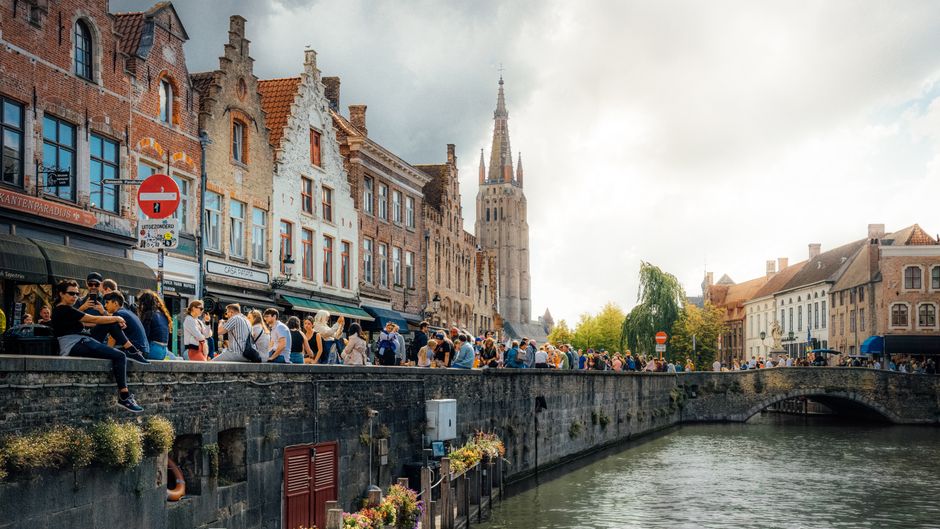
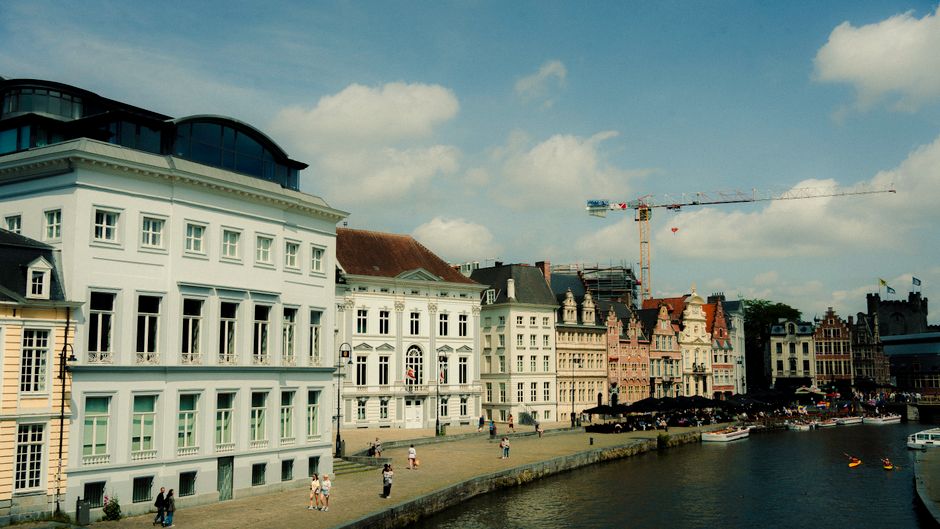
Bruges in winter is as close as you get to a fairy-tale city break in northern Europe. The medieval canal network, the market square, the chocolate shops: all of it is better without summer's crowds. December brings Christmas markets and genuine magic. January and February are quieter still, and the city feels authentically itself rather than set-dressed for tourists. The weather is the same as everywhere else in Belgium in winter: cold, damp, and frequently grey. Pack accordingly and you will have one of your best trips.
The Real Winter Temperature Story
Bruges winters run parallel to Amsterdam and Brussels. December averages around 4-6C. January drops to 2-4C, with overnight frost common. February is similar. Snow is possible but not guaranteed. Rain is more likely than snow, and it can come in the form of a fine, persistent drizzle that is more annoying than dramatic.
The city's compact size means most sightseeing is done on foot between canal viewpoints, chocolate shops, breweries, and museums. That means time outdoors in whatever the weather is doing. Waterproofing and warm layers are the practical response to this.
City-Specific Cold-Weather Must-Haves
A waterproof outer layer. Bruges' canal-side cobblestone paths get slippery and wet. A waterproof jacket or coat keeps the drizzle off and handles the worst Belgium can offer in winter.
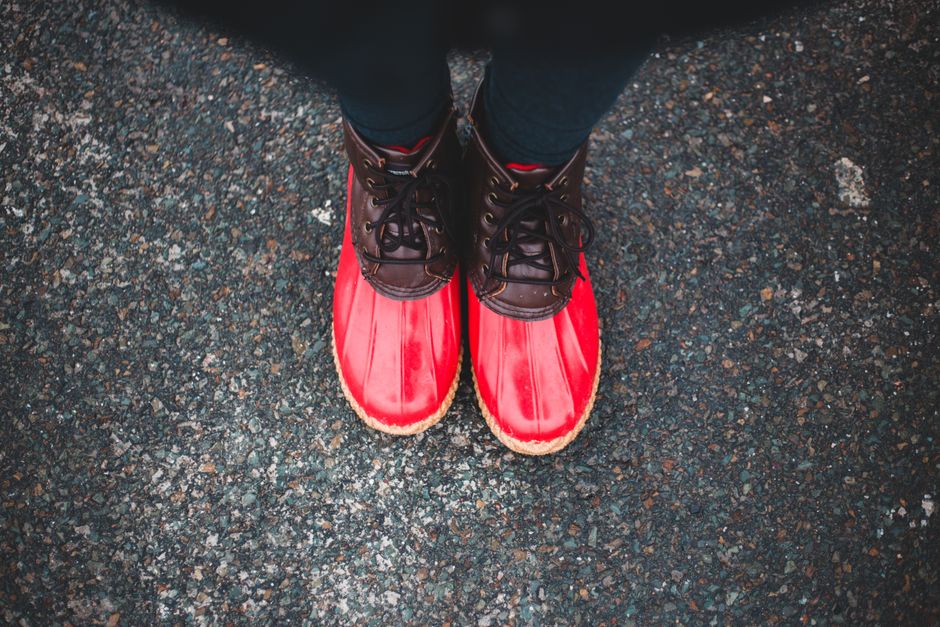
Waterproof shoes or boots. The cobblestones throughout the historic centre are uneven and often wet. Waterproof ankle boots or waterproof trainers with grip are essential. Fashion footwear on wet Bruges cobblestones is an injury waiting to happen.
Warm mid-layers. A fleece or thick jumper under your waterproof jacket handles most Bruges winter days. On colder days, add a lightweight thermal base layer underneath.
Hat, gloves, and a scarf. The cold in Bruges is damp cold rather than dry cold, which feels sharper and wetter on exposed skin. All three items are genuinely useful from December through February.
A bag that can carry extras. Bruges is a shopping city for chocolate, beer, and lace. A bag with a bit of extra room saves you carrying a separate shopping bag all day.
Comfortable walking shoes as a backup. Bruges is a small city but you will walk a lot. Something you can be in for 6-8 hours without foot pain is worth including.
What to Leave Behind
An umbrella as your main rain defence. Bruges can be windy near the canals and open squares. A waterproof jacket is a better investment than a battle with an umbrella.
Summer sandals or open-toe shoes. You will not use them. The cold, damp conditions make them impractical from the moment you step off the train.
Heavy suitcase loads. Bruges is small enough to walk everywhere. A compact bag you can carry comfortably while navigating narrow canal-side streets is easier than dragging a large case over cobblestones.
Clothes you are worried about ruining. Bruges in winter involves mud, drizzle, and the occasional splash from a passing tourist boat. Pack things you are comfortable wearing in those conditions.
Packing it Together
Waterproof jacket, waterproof shoes or boots, warm mid-layers, hat, gloves, and a scarf. Bruges in winter fits comfortably in a carry-on with room for chocolate on the way home. The Christmas market version in December is particularly worth the trip; the rest of winter is quiet, affordable, and genuinely charming.
The ConciseTravel Bruges guide covers the best breweries, the canal routes, and what to skip: https://concisetravelguides.etsy.com/uk/listing/4460053504/bruges-travel-guide-cheat-sheet-medieval
Master Bruges in Minutes
Don't waste hours planning. Get our condensed, digital cheat sheet with everything you actually need.
Shop Guide on Etsy →