ConciseTravel
Here's what no travel guide tells you: Greek plumbing is a thing. It's not a dealbreaker, but it's a quirk you should understand before arriving in Athens.
The Toilet Paper Mystery
Greece has old plumbing infrastructure. Sewer pipes are narrower than they should be, and the system can't handle toilet paper. Locals throw used toilet paper in a small trash bin next to the toilet, not down the drain.
The rule: Paper goes in the bin. Everything else (ahem) goes down the toilet. If you flush paper, the system gets clogged, and you'll be the person who broke the plumbing.
For tourists: This feels weird. It is weird. You'll do it anyway.
In practice: Hotels, restaurants, and tourist accommodations sometimes have updated systems that can handle paper. You'll see a sign: "Toilet paper may be flushed." If you see that sign, flush normally. If you don't see it, use the bin.
The bin: It's emptied regularly. Don't overthink it. Close the lid. Move on.
Water Quality and Temperature
Tap water is drinkable. Athens has excellent water quality. You can drink directly from the tap. Restaurants serve tap water by default.
Hot water is inconsistent. Showers in budget hotels can be unreliable. Water might be cold, lukewarm, or scalding. Figure out the faucet before you shower. Some hotels have water heaters that take 10 minutes to warm up—plan ahead.
Some Airbnbs have limited hot water. Older buildings sometimes have small water tanks. Take a quick shower if water seems limited. Afternoon usually has better hot water than morning.
The Drain Situation
Shower drains and sink drains sometimes get slow in older buildings. This is normal. Hair drains slower than expected. Run water for a minute after showering to clear the drain.
If you're in a newer hotel or Airbnb (built after 2010), this is less of an issue.
Soap and Towels
Hotels provide soap and shampoo. Most do. If your hotel doesn't, there's a pharmacy (farmakopeio) on every block selling the basics.
Towels are provided. Greeks use smaller hand towels—don't expect the fluffy bath towel situation of American hotels. There's usually a small hand towel and a larger towel for drying. It works.
The Shower Head Situation
Many Greek showers have a hand-held shower head instead of a wall-mounted one. You'll hold it yourself. It's actually more efficient than fixed shower heads.
Some showers are tiny. Greek bathrooms are compact. You'll shower in a space that feels like a closet. It's fine.
Heating and Cooling
Athens is hot in summer and mild in winter. Heating is rarely needed.
Air conditioning: Essential in summer (June–September). Check that your hotel/Airbnb has AC before booking. Some budget places don't. It's inhumane to sleep without AC in 35°C heat.
Fans: If no AC, a fan helps. Many places have fans, use them.
Windows: Greek buildings have shutters. Close them during the day to keep heat out. Open them at night when it cools down.
Internet and Power
Wi-Fi: Every hotel and Airbnb has Wi-Fi. It's usually good in common areas, sometimes spotty in rooms. Ask at reception if you need better coverage.
Phone chargers: Greece uses European plugs (Type C and Type F—two round pins). If you're from the UK/US, bring an adapter.
Power: Standard European voltage (230V). Most modern devices are dual voltage. Check before plugging in older electronics.
Washing Clothes
Most Airbnbs have washing machines. Hotels don't usually offer laundry service, but they can point you to a laundromat (plyntirio).
Clothes dry fast in summer. Hang them outside or on a rack. They'll dry in 4–6 hours.
Practical Things Nobody Mentions
Toilet seats: Some Greek toilets don't have soft-close seats. They slam. Be careful.
Light switches: Positioned differently than you'd expect. Usually outside the bathroom.
Bathroom doors: Often very thin. Sound travels.
Bidets: Some older bathrooms have bidets. They're optional (most Greeks use them, tourists rarely do).
The "broken" shower: Sometimes the shower feels like the water pressure is weak. It's probably fine; Greek showers just feel different.
The Bathroom Etiquette
Closing the door: Always close the bathroom door, even in your own room. It's considered rude not to.
Noise levels: Be mindful that sound carries. Early morning showers and late-night toilet flushes can be loud. Consider neighbors.
Ventilation: Bathroom humidity can be an issue. Open a window if available.
What This Actually Means for Your Trip
None of this will ruin your trip. You'll adapt quickly:
- Use the trash bin for paper (muscle memory takes one day).
- Expect shower quirks and adapt.
- Bring an AC-enabled room because you'll need it.
The plumbing isn't broke; it's just different. Europeans have managed for centuries. You'll be fine for a week.
Our Take
Don't stress about Athens plumbing. It works. It's just older and different. Adapt and move on. These quirks are what make travel interesting—they're not dealbreakers, they're local color.
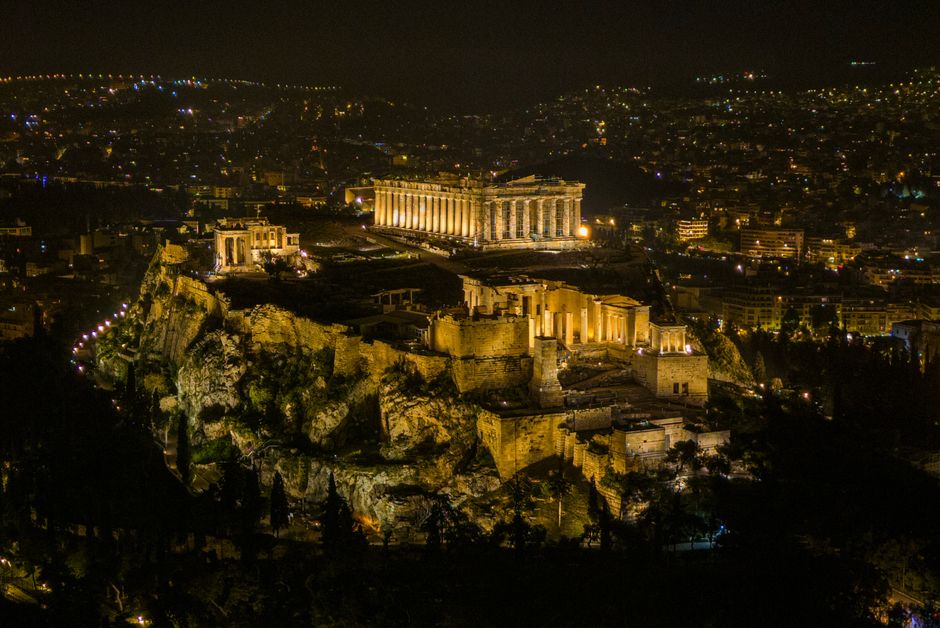
Shower, use the bin for paper, close the door, and go explore the Acropolis. The plumbing will be fine.
Master Athens in Minutes
Don't waste hours planning. Get our condensed, digital cheat sheet with everything you actually need.
Shop Guide on Etsy →