ConciseTravel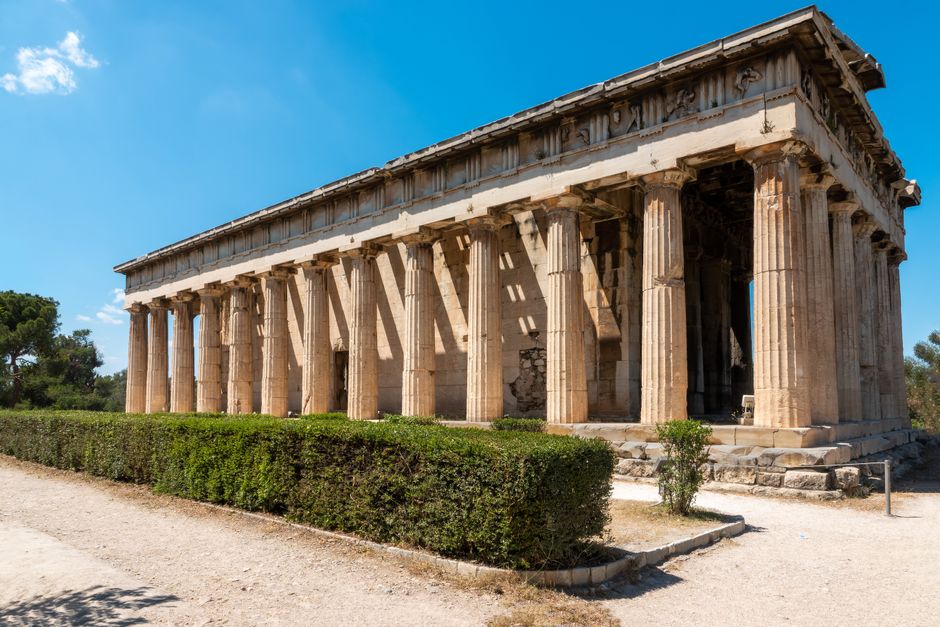
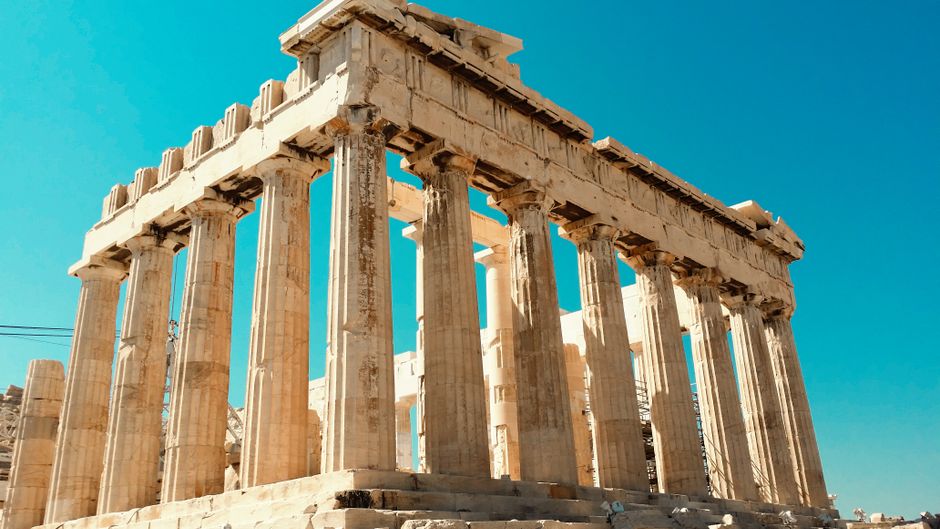
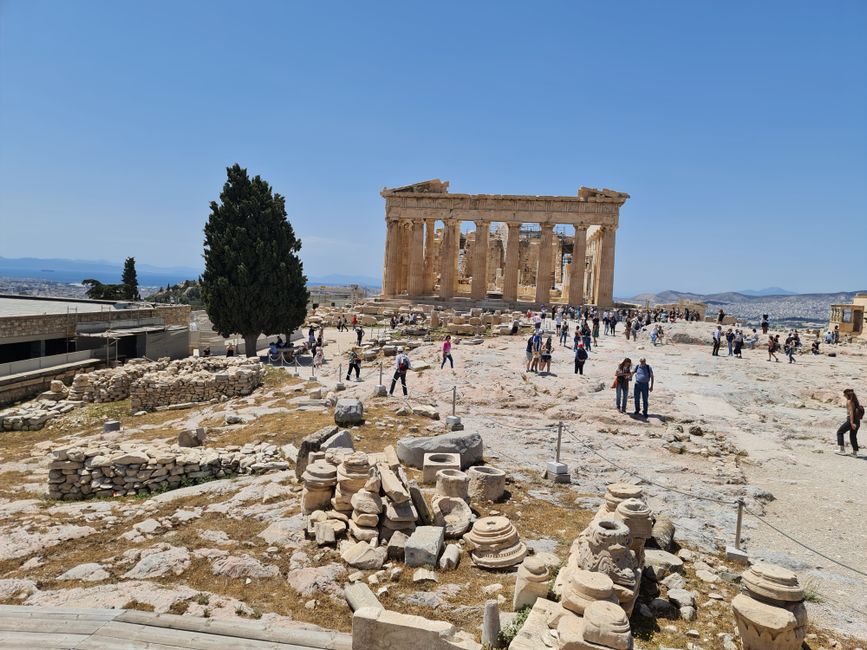
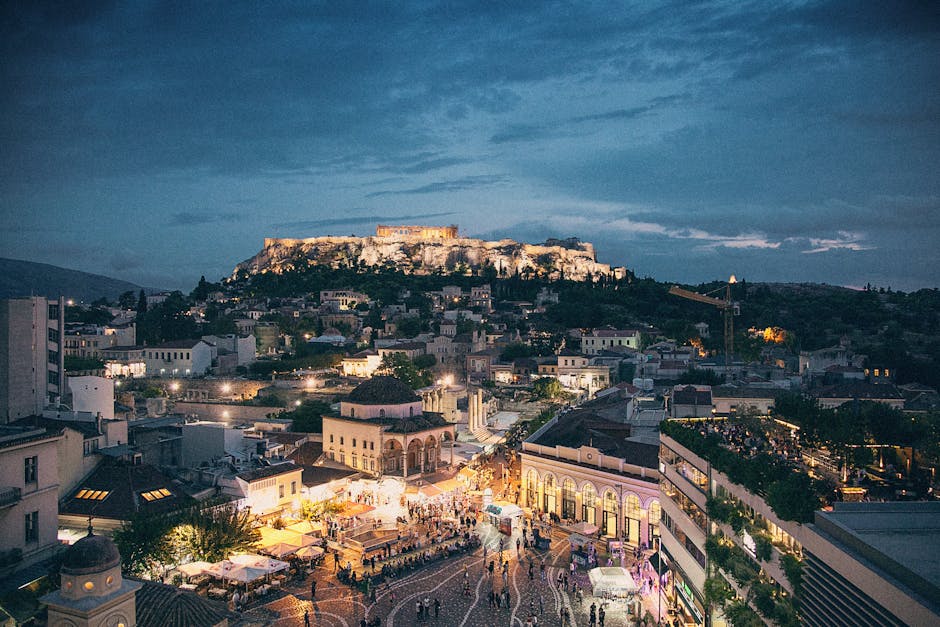
Most visitors hit the Acropolis and call it ancient Athens. This is a mistake. The Ancient Agora and Temple of Hephaestus are equally significant, far less crowded, and arguably more interesting if you actually care about history rather than Instagram.
The Ancient Agora: Where Democracy Was Born
The Agora was the central marketplace and civic hub of ancient Athens. While the Acropolis was where the gods lived, the Agora was where Athenians lived. Socrates taught here. Debates happened here. The Assembly voted on matters of the state while standing in this space.
Today, it's a sprawling archaeological site with scattered ruins, olive trees, and quiet corners. You'll see fragments of temples, a stoa (covered walkway), and the intact Stoa of Attalus (rebuilt in the 1950s). It's atmospheric and contemplative—a stark contrast to the Acropolis crowd.
What to see:
- Stoa of Attalus: The longest building on the site. It's a reconstructed ancient covered walkway with a museum inside containing pottery, sculptures, and everyday objects. This is where you get a sense of daily ancient Athens.
- Temple of Hephaisteion (see below)
- Church of Holy Apostles: A small Byzantine church tucked into the site. It's barely noticed by tourists but architecturally significant.
- Scattered foundations: Ruins of shops, houses, and civic buildings. It's like reading an open book of ancient urban planning.
The Temple of Hephaestus: The Best-Preserved Ancient Temple
North of the Agora sits the Temple of Hephaestus (also called Hephaesteum). It's the most intact ancient temple in Athens, possibly in all of Greece. Built around 450 BC (contemporary with the Parthenon), it has all four sides, a complete roof structure, and dozens of intact columns.
Unlike the Parthenon, which is a skeleton, the Hephaestum feels whole. You can walk around it and actually understand what ancient Greek temples looked like when they were functioning religious buildings.
Why it's less crowded: It requires a 10-minute walk from the main Agora entrance. Most tourists don't bother. This is their loss.
What to see:
- Walk the full perimeter (takes 15 minutes).
- Note the Doric columns and the mathematical proportions.
- Imagine it 2,500 years ago, with painted marble (it would have been brightly colored, not white).
- The interior is closed to visitors, but the exterior tells the story.
The Practical Visit
Location: West of Monastiraki, accessible via the Monastiraki metro station.
Opening hours: 8 AM–8 PM (summer), 8 AM–5 PM (winter).
Entry fee: €10 (or €30 combo ticket with Acropolis).
Duration: 2–3 hours if you're leisurely. 1 hour if you're rushed.
Best time: Early morning (8–10 AM) or late afternoon (4–6 PM). Midday is hot and empty simultaneously—it's eerie.
How to get there: From Monastiraki metro station, walk west for 10 minutes following signs to "Ancient Agora." The entrance is near the Thisio metro station.
The Route Through the Site
Enter from the Monastiraki side. You'll immediately see scattered ruins and olive trees. Walk straight ahead toward the Stoa of Attalus. Spend 30 minutes exploring the museum inside (ground floor has sculptures, upper floor has pottery and household objects).
Exit the Stoa and walk north/northwest toward the Temple of Hephaestus. It will appear suddenly above the ruins—a complete temple surrounded by nothing but history. Walk around it slowly. Sit on a bench nearby if you need a moment.
Return via the same route or continue south to exit near Thisio metro station. The whole site is laid out logically; you can't get truly lost.
What You're Actually Looking At
The Agora wasn't built for tourists. It was built for Athenians to buy food, debate politics, conduct business, and worship. The scattered ruins are foundations of shops (they had small front counters). The open spaces are where crowds gathered. The temples are where citizens prayed.
Standing here, you're standing in the same space where Socrates was executed (he was taken from the Agora), where Aspasia (Pericles' partner) attended philosophical discussions, where the backbone of Western democracy was forged.
Our Take
Skip the Agora only if you have fewer than 4 hours in Athens and must choose between it and the Acropolis. The Acropolis takes priority. But if you have a full day, the Agora and Temple of Hephaestus are essential. The temple is the most beautiful ancient structure in Athens, and the Agora is where actual Athenians lived.
You'll have both sites mostly to yourself while crowds suffocate on the Acropolis. That's worth the detour.
Master Athens in Minutes
Don't waste hours planning. Get our condensed, digital cheat sheet with everything you actually need.
Shop Guide on Etsy →