 ConciseTravel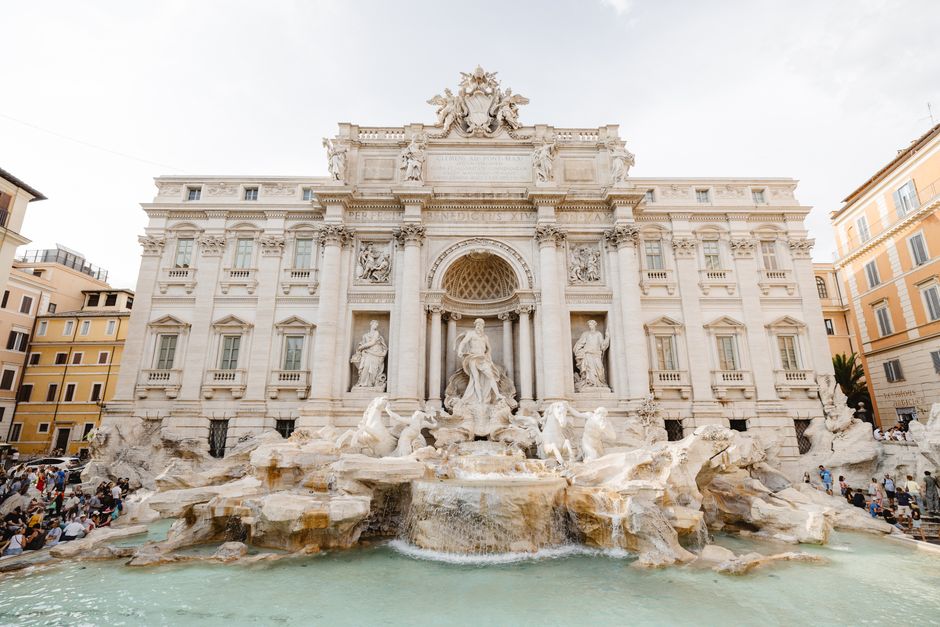
Rome doesn't ease you in gently. It is enormous, chaotic, ancient, and occasionally maddening. The payoff is one of the most extraordinary cities on earth — but first-timers who arrive without a plan tend to spend their trip fighting logistics rather than enjoying the place. Here's what to know before you go.
1. Book the major sites before you leave home
The Colosseum, the Vatican Museums, and the Borghese Gallery all require timed-entry tickets, and they sell out weeks in advance during peak season. Walking up on the day is not a realistic strategy for any of them. If you're going during spring, summer, or any major holiday period, book as soon as your travel dates are confirmed.
2. The city is bigger than it looks on the map
Rome's historic centre is walkable in sections, but the distances between major sites add up quickly in the heat. Most visitors underestimate how much ground they're covering. Comfortable shoes are not optional.
3. Rome runs on its own schedule
Lunch can run until 3pm. Dinner before 8pm will mark you as a tourist and sometimes result in an emptier, less atmospheric room. Many shops and smaller businesses still close for a few hours in the afternoon. Plan around this rather than against it.
4. Scams are real and concentrated in a few predictable spots
Around the major monuments — particularly the Colosseum, Trevi Fountain, and St.Stay alert near crowds, don't accept anything handed to you for "free," and book tours through verified operators in advance.
5. Dress codes are enforced at religious sites
Shoulders and knees must be covered to enter churches, including the Vatican. This is not a suggestion. Carry a scarf or light layer if you're wearing summer clothes. The Vatican in particular will turn you away at the door.
6. The water from public fountains is drinkable
Rome has hundreds of small public water fountains called nasoni scattered across the city. The water is clean, cold, and free. Bring a refillable bottle and use them. This is not the case for most cities, but Rome maintains its drinking water infrastructure seriously.
7. Transport is functional but not slick
The metro has two main lines and doesn't reach several key areas of the historic centre. Buses cover more ground but run late and get crowded. Taxis are reliable but add up. Most visitors end up walking more than they expected — which is fine once you accept it and plan accordingly.
8. Eating badly in Rome requires effort, but tourist traps exist
The broad quality of Roman food is high. However, restaurants immediately adjacent to major monuments often trade on location rather than quality. A five-minute walk from the Colosseum or the Pantheon makes a significant difference. Menus in multiple languages displayed outside at table height are a reliable warning sign.
9. Rome rewards slower movement
The instinct is to tick off the Colosseum, Forum, Vatican, and Trevi Fountain in rapid succession. That works, but Rome is also a city of neighbourhoods — Trastevere, Prati, Testaccio, Pigneto — each with a different character. Building in time to wander without a destination produces some of the best Rome moments.
10. The crowd problem has a solution: timing
The Colosseum at 9am and the Colosseum at 2pm are different experiences. The Trevi Fountain at 7am versus midday is barely the same place. Almost every major site in Rome has a best time to visit, and it is almost always early morning or late afternoon. This is the single adjustment that has the most impact on the overall experience.
Master things to know before visiting Rome in Minutes
Don't waste hours planning. Get our condensed, digital cheat sheet with everything you actually need.
Shop Guide on Etsy →