ConciseTravel
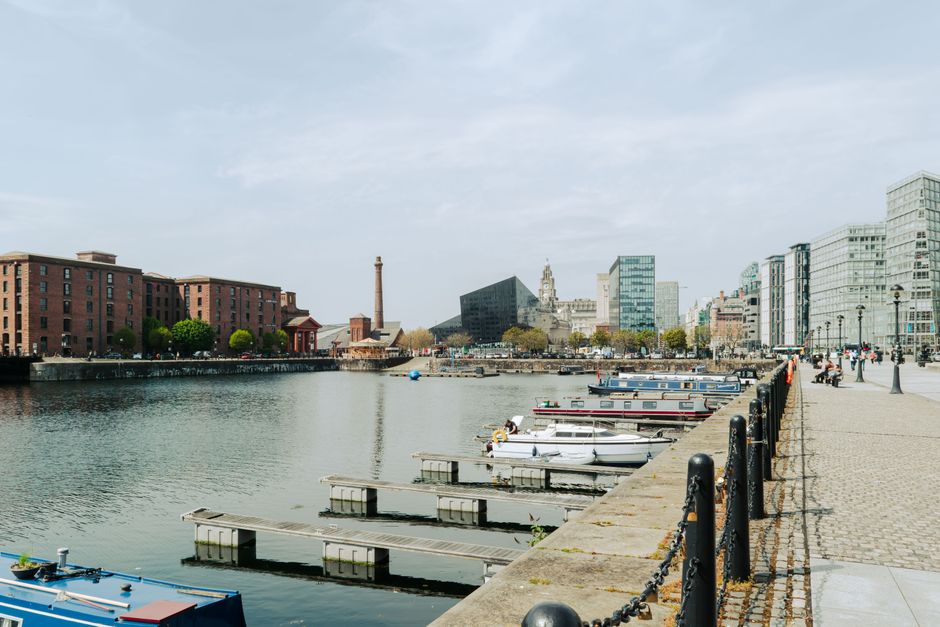
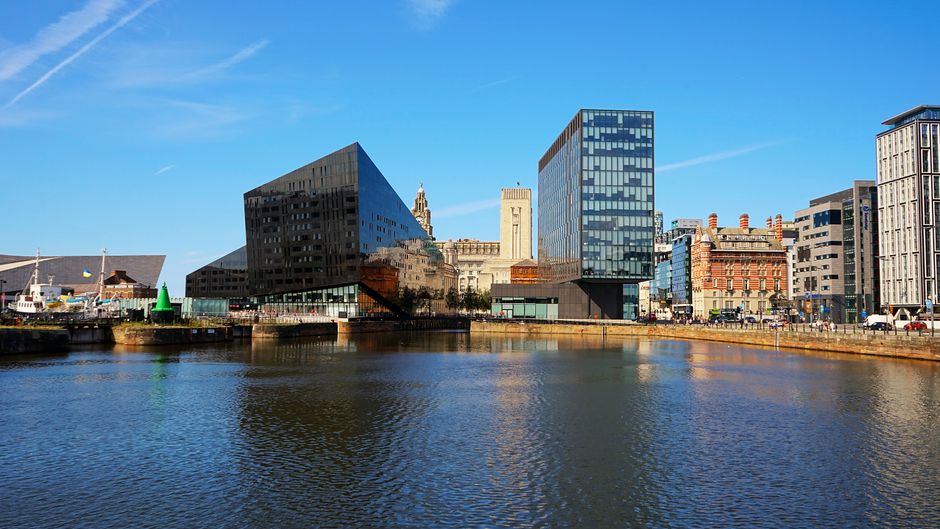
The best time to visit Liverpool is May through September. The weather is as good as it gets in the northwest of England, the Albert Dock is at its most lively, and the city's event calendar is at its busiest. That said, Liverpool is a city that works year-round: the museums are free, the music venues operate every night, and the culture does not depend on sunshine.
Month-by-Month Breakdown
- January to February: Cold (around 5-8C), occasionally wet, and the city is quiet post-Christmas. Hotels are cheap and the Merseyside museums are uncrowded. A budget visit that still delivers the full cultural offer.
- March to April: Temperatures around 9-13C. The city starts warming up ahead of the summer calendar. Easter can bring visitors for the Grand National at Aintree in April. Book ahead if the racing is on.
- May: A strong choice. Temperatures around 14-17C, the Liverpool Sound City festival and the start of the outdoor season. The waterfront and Albert Dock are enjoyable.
- June to August: The busiest period. Temperatures reach 18-21C on good days. Liverpool Pride (late July or early August) and other summer events animate the city. The Beatles Story and Tate Liverpool see their highest visitor numbers.
- September: Still pleasant (around 14-17C). School summer holidays end, visitor numbers ease, and the city has a relaxed early-autumn character.
- October: The beginning of the quieter season. The Grand National Festival is at Aintree, but otherwise the city slows. Cooler and rainier.
- November to December: Liverpool's Christmas markets at St George's Hall and around the city centre are genuinely good. Festive atmosphere, busy on December weekends.
Peak Season
July and August are the summer peak, with the Albert Dock area and the Cavern Quarter seeing the highest tourist numbers. The Grand National meeting in April is Liverpool's other major crowd event, drawing racing visitors from across the UK.
Shoulder Season
May and September offer the most comfortable visit. May has the energy of the approaching summer season without the full crowds, and September retains warmth while the August visitors have departed.
What to Avoid
January and February are not bad, but if outdoor Liverpool, the waterfront, and the parks are part of the plan, the cold and wet conditions reduce the experience. The city's cultural offer holds up regardless, but the physical environment is at its least inviting.
For everything you need to plan your trip around the timing, our Liverpool city break guide covers it.