ConciseTravel
What Kind of City Is Liverpool, Really?
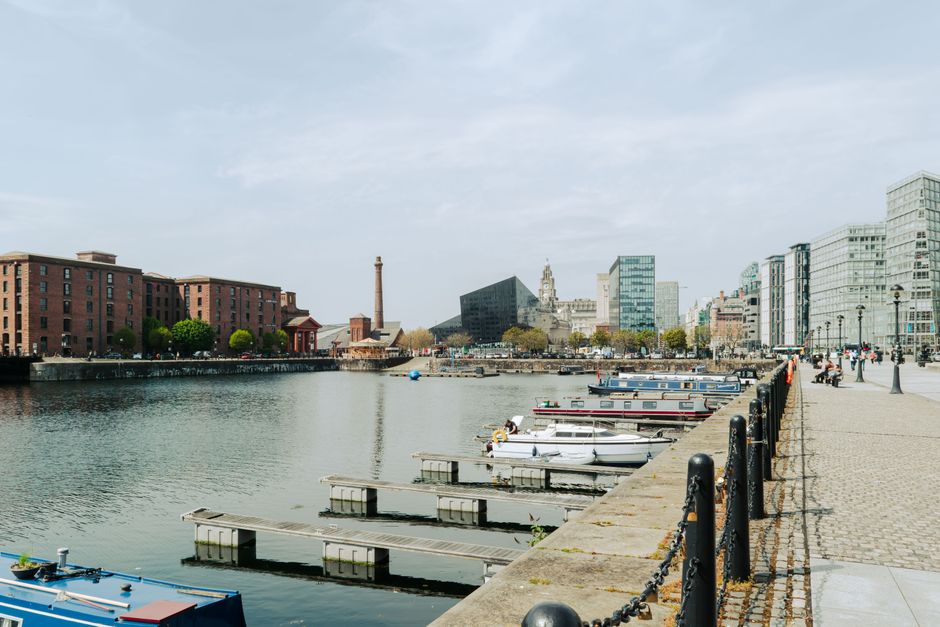
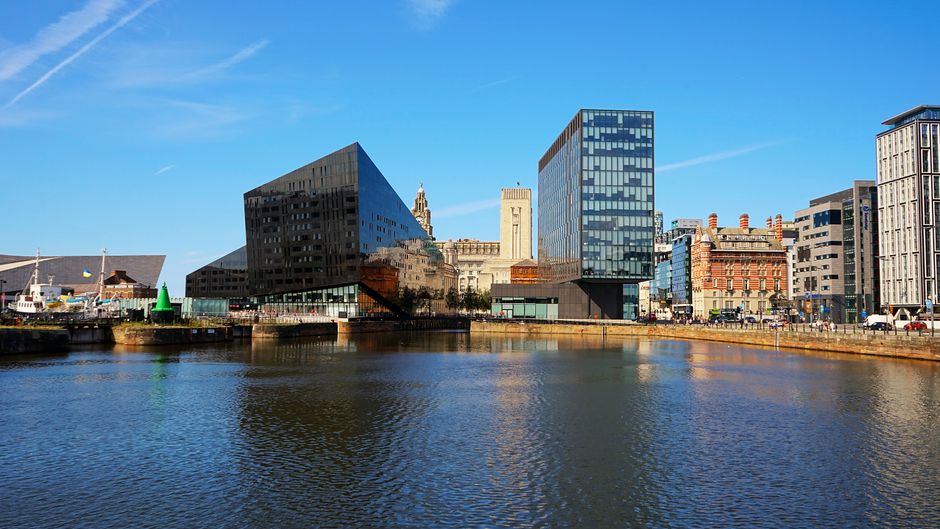
Liverpool is one of those cities that takes you off guard. You arrive expecting a post-industrial northern town with Beatles references stamped on every surface, and instead you find a place that is genuinely, confidently alive. The waterfront alone stops people in their tracks. The Royal Liver Building, the Cunard Building, the Port of Liverpool Building: the Three Graces look out over the Mersey with the kind of authority that makes you understand why this was once one of the world's great ports.
But what makes Liverpool worth visiting is not just the architecture. It is the atmosphere. Scousers (the local name, derived from lobscouse, the sailor's stew) are famously warm, chatty, and quick with a joke. Within five minutes of arriving you will likely have been called "love" or "la" by a stranger, and meant it. That friendliness is not performance. It is just how people are here.
A Quick Orientation
Liverpool sits in northwest England on the eastern bank of the Mersey estuary. The Irish Sea is a few miles west. The city centre is compact enough that most things visitors care about are within a 30-minute walk of each other. The main landmarks cluster around three zones:
- The Waterfront: Pier Head, Albert Dock, the ferry terminal, the museums
- The City Centre: Lime Street station, Liverpool ONE shopping, the Cavern Quarter, St George's Hall
- Hope Street Corridor: The two cathedrals, Georgian Quarter, Bold Street, Baltic Triangle
If you can picture that rough triangle, you have a working map of Liverpool.
The Local Character
Liverpool has a strong local identity. The Scouse accent is distinct and expressive. The football allegiances (Liverpool FC and Everton FC, both based in the city) run deep. The music heritage, anchored by The Beatles but extending far beyond them, is something locals are genuinely proud of, not just commercially packaged for tourists.
That said, the city has moved on. The waterfront UNESCO World Heritage status came and went. New developments have changed skylines and sparked arguments. Liverpool is not a museum of itself. It is an actual city with an actual population that goes to work, argues about planning decisions, and has opinions about where to eat.
As a visitor, you benefit from all of this. The combination of genuinely impressive heritage and a functioning, evolving urban culture makes it far more interesting than a heritage destination that has frozen itself in amber.
What Surprises First-Timers
A few things catch people off guard:
The scale of the free museums. Liverpool has more free museums and galleries than any UK city outside London. You can spend a full day at the Museum of Liverpool, the Merseyside Maritime Museum, the Walker Art Gallery, and the World Museum without spending a penny on admission.
How walkable it is. The city centre is genuinely compact. You can walk from the Albert Dock to the Anglican Cathedral in under 20 minutes and pass through several distinct neighbourhoods on the way.
The food scene. Bold Street alone has a range of cuisines that rivals much larger cities. The Baltic Market is one of the better street food halls in the UK. Liverpool has a proper dining culture, not just tourist-facing restaurants.
The pace. It is not London. Queues are shorter. People are less rushed.## Weather: Manage Your Expectations
The climate is temperate maritime, which means mild and unpredictable. Summers sit around 17 to 20 degrees Celsius. Winters are cool rather than cold. Rain is frequent but usually comes as showers rather than prolonged downpours, and it can change quickly either way. The local advice: bring a jacket with a hood, accept the weather as part of the character, and plan indoor and outdoor activities so you can pivot when needed.
The best windows for visiting are May to June and September. You get decent weather, manageable crowd levels, and hotel prices that have not hit peak summer rates. Late August during International Beatles Week is an event in itself if that is your interest, but accommodation books out early and prices rise accordingly.
A City Worth More Than a Day Trip
Liverpool is close enough to Manchester (35 to 45 minutes by train) that it gets treated as a day trip by some visitors. That undersells it considerably. A proper visit needs at least two full days, and three days gives you room to explore without rushing.
The paid ConciseTravel Liverpool guide covers exactly how to structure that time, with specific neighbourhood walks, timing recommendations, and the practical details that make the difference between a good trip and an excellent one.