ConciseTravel
Athens is older than most countries and more chaotic than most cities. Here's what actually catches first-timers off guard.
1. The heat in July and August is serious
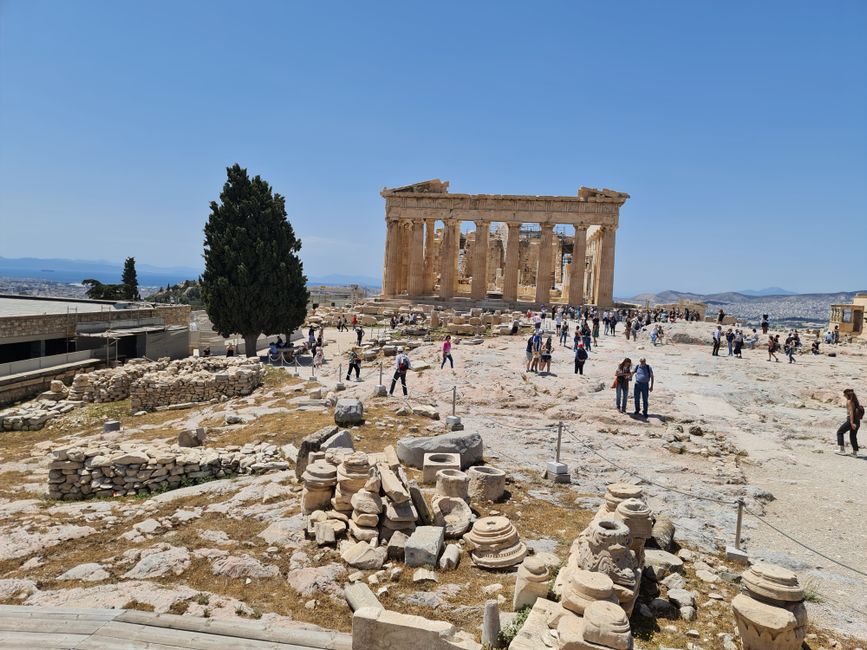
Athens in peak summer sits regularly above 38°C (100°F). That changes how you plan everything. The Acropolis is open-air, south-facing, and largely unshaded. If you visit between 11am and 3pm in July, you will struggle. The locals leave for lunch and siesta — follow that lead.
2. The Acropolis visit takes longer than you think
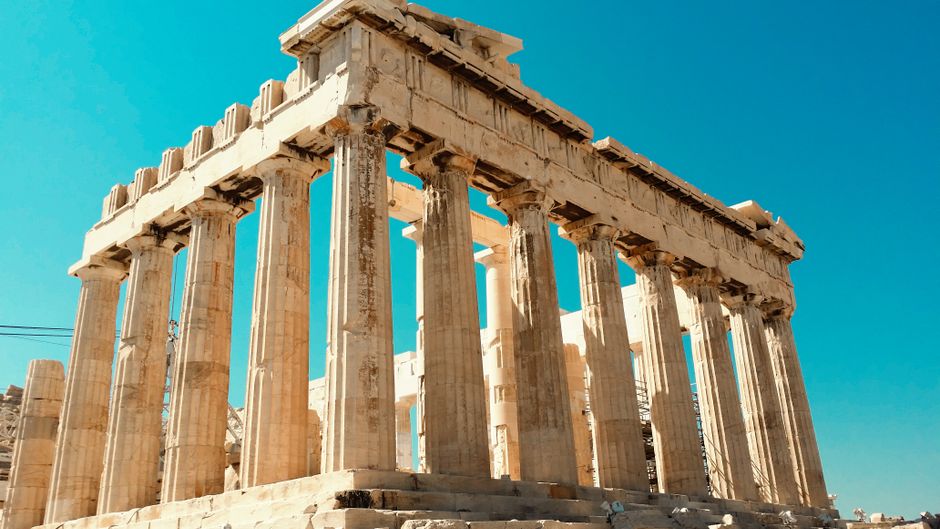
The climb itself isn't the issue. It's the time you need to actually see the site properly — the Propylaia, the Erechtheion, the Parthenon, the views — that eats more time than people budget. Most visitors rush the top because they've underestimated how long the rest takes. Book a morning slot and give it at least two hours.
3. The Acropolis Museum is not a repeat
The museum at the foot of the Acropolis holds the actual surviving sculptures from the Parthenon frieze. The marbles on the building are mostly casts now. If you visit the site and skip the museum, you've seen the structure and missed the story. They work as a pair.
4. Taxis and rideshares have different metering rules
Licensed Athens taxis use meters with two tariff settings: Tariff 1 within the city, Tariff 2 outside or at night. Some drivers will run Tariff 2 during the day inside the city, especially with tourists. Note the tariff number on the meter display when you get in. Beat (the local rideshare app) shows the price upfront and removes this friction entirely.
5. The historic centre is smaller and more walkable than the map suggests
Plaka, Monastiraki, and the Ancient Agora all connect on foot in under 15 minutes. First-timers book accommodation based on general area and then overpay for unnecessary transport. You don't need a central hotel to walk everything — you need a neighbourood that connects to the metro.
6. Neighbourhoods have very different vibes
Plaka is beautiful, tourist-heavy, and pricey. Monastiraki is buzzy and good for shopping. Koukaki (south of the Acropolis) is calmer, younger, and better value. Exarchia is edgy and interesting but not for everyone. Knowing the difference before you book your accommodation matters.
7. The airport taxi flat rate is set — but enforce it
Athens taxis from the airport to the city centre have a published flat rate (around €38 day, €54 night). The rate is official, posted at the taxi rank, and fixed regardless of traffic. If a driver tries to run the meter instead, you're entitled to the flat rate. Knowing this number before you land is the only protection.
8. Ancient Athens and modern Athens need separate headspace
People arrive expecting a museum city and find a functioning, noisy, alive southern European capital. The graffiti, the traffic, the nightlife that starts at midnight — it's all real and it runs alongside the marble. The contrast is part of the experience, not a disappointment.
9. Eating hours run late
Dinner before 9pm in Athens means you're eating with tourists. Locals eat at 9:30 to 10pm. Restaurants aren't fully alive until then. If you aim for 8pm to avoid crowds, you'll be sitting in a half-empty room with a kitchen that hasn't woken up yet.
10. Sunday transport runs on a reduced schedule
The metro and bus frequencies drop significantly on Sundays. If you're moving between the airport and city, or trying to reach anything outside the central area, check the Sunday timetable the day before. This catches people who assume city transport runs on the same schedule seven days a week.
Master Athens in Minutes
Don't waste hours planning. Get our condensed, digital cheat sheet with everything you actually need.
Shop Guide on Etsy →