 ConciseTravel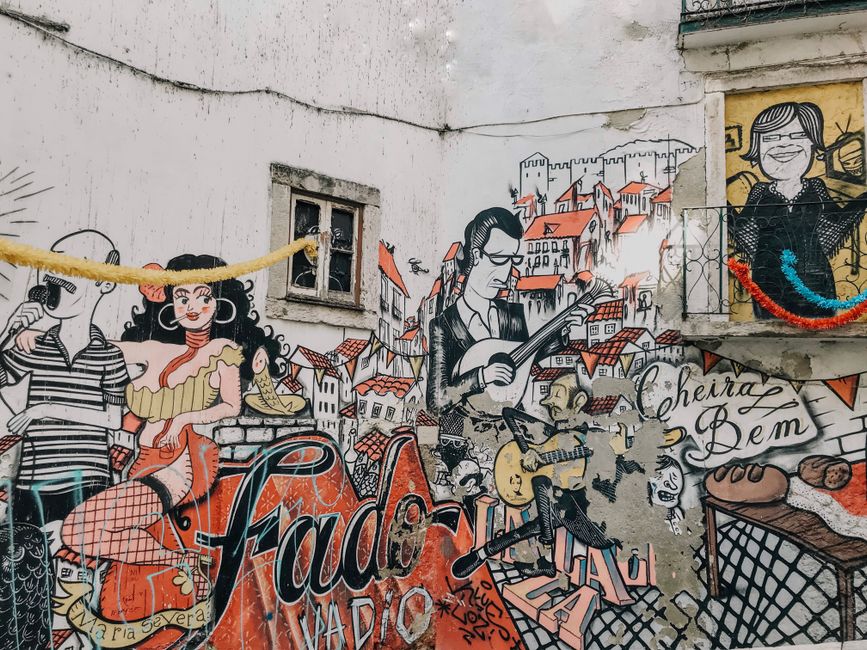
Fado is Portugal's traditional music—melancholic, emotional, soul-baring. Watching it live is a Lisbon experience worth having if you approach it right.
What Fado Actually Is
Fado is a style of Portuguese music that emerged in 19th-century working-class Alfama. It's typically performed by a single female singer (fadista) accompanied by guitar (classical or Portuguese guitarra). The lyrics are often about loss, longing, fate, love, and hardship.
The feel: Melancholic, emotional, deeply personal. Listening to fado is like overhearing someone's raw emotional confession. It's not entertainment—it's shared feeling.
The history: Born in Alfama among sailors and working-class people. It's the soundtrack to heartbreak and longing. In 2011, UNESCO recognized it as Masterpiece of the Oral and Intangible Heritage of Humanity.
Listening to fado: You sit. You listen. You absorb the emotion. You don't clap between songs (this breaks the atmosphere). When the performance ends, you applaud respectfully.
Authentic Fado Venues vs. Tourist Spots
The distinction matters.
Authentic Fado House (Casa de Fado)
What it is: Small restaurant (20–50 people) in Alfama or Bairro Alto where a fadista and guitarist perform live. It's intimate, genuine, often family-run.
The experience:
- Dinner (Portuguese food, €25–40)
- Drinks (wine or beer, €4–6)
- Live performance (fadista + guitarist)
- Total experience: 2–3 hours
- Cost: €40–70 per person
Where they are: Scattered throughout Alfama and Bairro Alto. Smaller streets, intimate settings.
Authentic indicators:
- Portuguese menu with pricing in euros (not inflated for tourists)
- Older clientele mixed with younger locals
- Modest interior (not "designed for Instagram")
- No pre-recorded videos or promotional materials
- Reservations required (they're small)
Examples (real ones, not chains):
- Casa do Fado e da Guitarra Portuguesa (Alfama) – museum + performances
- Taska da Camones (Bairro Alto) – tiny, local
- Various unnamed house restaurants (get recommendations locally)
Tourist Fado Venues
What it is: Larger capacity, designed-for-tourists setup. Music is live, but the experience is packaged.
The vibe: Professional, polished, less intimate. You're one of 100 people watching a show, not part of a small community listening to someone's soul.
Cost: €60–150+ per person (dinner + drinks + show markup)
Where: Waterfront, central tourist areas, well-advertised locations
Signs it's a tourist trap:
- English menus only
- "Show times" announced (authentic venues perform ongoing)
- Aggressive pricing for drinks/food
- Multiple performances per night (industrial)
- Marketing online heavily
Reality: Not all tourist venues are bad. Some are professional and good quality. But you're paying for packaging, not authenticity.
The Authentic Experience
Where to go: Alfama, smaller streets, word-of-mouth recommendations.
What to expect:
- You arrive at 8 PM (or later)
- You order dinner (Portuguese food, simple but good)
- Around 9–10 PM, the fadista arrives (sometimes announced, sometimes just begins)
- Performance lasts 30–60 minutes, usually 2–3 songs (they're long, emotional)
- There's respectful silence during singing
- Between songs, people clap, maybe applaud a particularly moving moment
- Performance ends, applause, people keep eating/talking
- Sometimes another fadista goes on, sometimes not
- Total experience: 2–3 hours
The etiquette:
- Don't talk during performance (it's disrespectful)
- Don't film on your phone (it's disrespectful and usually not allowed)
- Don't request songs (this is not a jukebox)
- Applaud when appropriate (ends of songs, end of performance)
- Don't try to sing along (this is not karaoke)
- Order food/drinks—the venue is a restaurant first
- Tip respectfully (10% is fine, not expected)
Understanding Fado Lyrics and Meaning
You won't understand the words (unless you speak Portuguese), but you'll understand the emotion. Fado communicates through:
The voice: Raw emotion, sometimes breaking, sometimes controlled. The singer is expressing something real.
The guitar: Melancholic melodies, sometimes harmonizing with the voice.
The audience response: When a line hits particularly hard, you'll sense it (subtle nods, silent tears sometimes).
Common themes:
- Love and loss
- Yearning and longing
- Working-class struggles
- Fate (fado literally means "fate")
- The sea (sailors' laments)
- Lisbon and Alfama
You don't need to understand Portuguese. The emotion is universal.
Cost Reality
Authentic casa de fado:
- Dinner: €25–40
- Drinks: €8–15
- "Show fee" (sometimes implicit in prices, sometimes explicit): €10–20
- Total: €45–75 per person
This is reasonable for a 2–3 hour experience including dinner.
Tourist fado venues:
- Dinner: €30–50
- Drinks: €20–30 (inflated)
- Show fee: €30–50
- Total: €80–130+ per person
Not bad if you want a professional show, but paying for polish over authenticity.
The play: Seek out authentic venues and you'll pay less while experiencing something more genuine.
How to Find Authentic Fado
Ask locals: Hotel staff, restaurant servers, people you meet. They know the real places.
Research: Search "casas de fado Alfama" (fado houses in Alfama) and look for smaller, family-run places rather than packaged tours.
Walk Alfama at night: You'll hear fado coming from restaurants. If a door is open and it sounds good, peek in. If it seems intimate and real, ask about dinner.
Avoid: Anything advertised as "fado dinner show" or heavily marketed online.
Red flag: If a place is easy to book online, has a website, and advertises heavily—it's probably tourist-oriented.
When to Go
Best nights: Thursday–Saturday when locals are out and atmosphere is highest. Weekday performances are sometimes cancelled or smaller.
What time: 9–10 PM onwards. Dinner first, show happens naturally, not on schedule.
Seasons: Winter is more authentic (tourists thin out, locals reclaim the venues). Summer is busier and more touristy.
What You'll Actually Feel
Fado is designed to move you. The best performances make you feel something—sadness, longing, connection. This is not entertainment that makes you happy. It's cathartic.
Expect:
- Slight sadness
- Emotional resonance
- Deep respect for the tradition
- Connection to something genuinely Portuguese
If you leave feeling nothing, you either went to a tourist venue, didn't understand the context, or fado just isn't for you (which is okay).
Pro Tips
- Reserve ahead. Real fado houses are small. Call or email a day before.
- Go with open mind. Don't expect upbeat entertainment. It's art.
- Order wine. Red wine (tinto) pairs well with fado dinner.
- Sit in a back corner if possible. You can observe better than being in the action.
- Tip the fadista afterward. Slipping €5–10 is appreciated (not required, but welcomed).
- Don't overthink it. Just listen. Feel. Let the music do its thing.
The Honest Assessment
Fado is one of Lisbon's genuinely unique cultural experiences. It's not touristy in the bad sense—it's just deeply Portuguese. Even in touristy versions, the music is real and moving.
If you're interested in music, culture, and emotion, fado is worth experiencing. If you want pure entertainment and fun, skip it. Fado is not fun—it's profound.
The difference between authentic and tourist fado is significant. Seek authentic. It costs less, feels better, and you'll actually connect with something real rather than a packaged experience.


