 ConciseTravel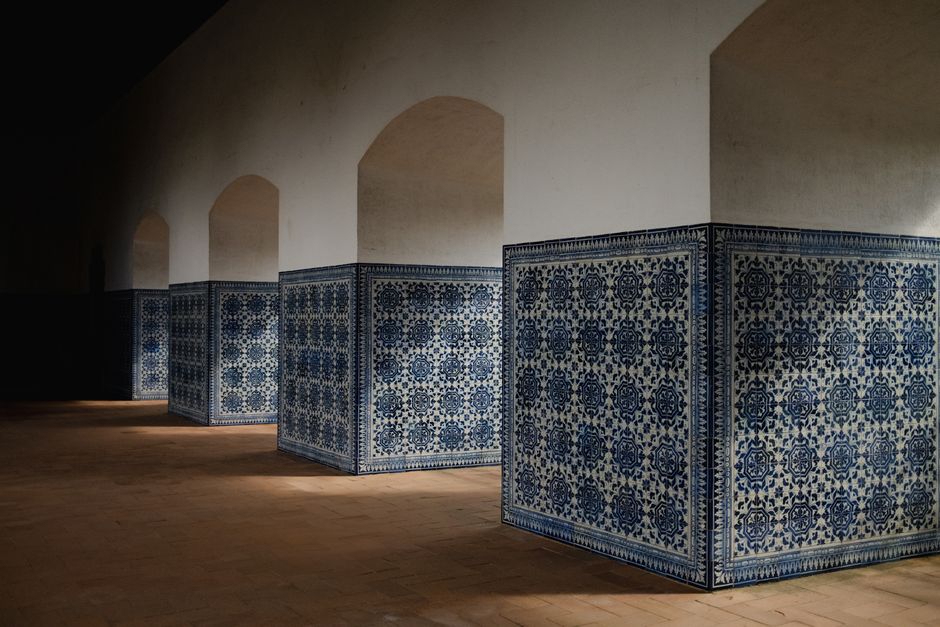
Portugal is obsessed with hand-painted tiles—azulejos. The National Tile Museum is dedicated entirely to them. It's niche, but if you're interested in design, history, or Portuguese culture, it's genuinely excellent.
What the National Tile Museum Actually Is
This is a museum dedicated to Portuguese azulejos (ceramic tiles). It occupies a converted 16th-century convent in the Alfama neighbourhood. You're seeing:
- Historical tiles from the 1500s onwards
- Portuguese design evolution through tile patterns
- Medieval tilework alongside modern examples
- Production techniques and historical context
- Religious and decorative applications of tiles across centuries
The museum is organized by era and style. You walk through rooms of glass cases displaying tiles, panels, and decorated wall sections. There are some interactive elements and explanations (in Portuguese and English).
Is It Worth Visiting?
Yes, if:
- You're interested in design history
- You appreciate artisanal/handcraft details
- You want to understand Portuguese aesthetic traditions
- You like museums as quiet, contemplative spaces
- You're in Alfama anyway and want something different from street-walking
Maybe if:
- You're mildly interested in ceramics
- You're museum-fatigued but open to something small
No, if:
- You hate museums or find tiles boring
- You're pressed for time
- You only want "famous Lisbon" attractions
- You're anti-cultural experiences
Honest take: This is a specialist museum. It rewards people who care about design and craft. It won't blow your mind if you're just checking a box.
The Experience
Duration: 45 minutes to 1.5 hours depending on depth Crowds: Low (it's not on the main tourist circuit) Noise level: Quiet and peaceful Entry fee: €5 Location: Alfama neighbourhood (charming but remote)
You pay €5, walk through rooms of tiles at your own pace, read descriptions if interested, leave. There are no guides, no tours, no theater. It's just you and centuries of Portuguese tiles.
What You'll Actually See
Ground floor (ceramic history):
- Medieval tiles (1500s–1600s)
- Religious motifs and decorative patterns
- Evolution of production techniques
- Explanatory panels with context
Upper floors (18th–20th century):
- Industrial production development
- Art Deco and modern design tiles
- Contemporary artisan work
- More elaborate multi-tile mural panels
Standout section: The panel reconstructions—full walls showing how tiles were actually used in historic buildings, churches, and homes. This contextualizes the individual tiles and shows how intricate the work is.
The Design Reality
Portuguese tiles are genuinely beautiful if you actually look at them. The patterns are often:
- Hand-painted details with incredible precision
- Symmetrical geometric designs (Islamic influence from history)
- Blue and white colour palettes (iconic Portuguese aesthetic)
- Religious and secular motifs mixed throughout
Once you start seeing the detail, you realize how much labour went into each tile. It's craft at the highest level.
The Lisbon Context
Walking through Lisbon, you see azulejos everywhere:
- Building facades
- Train station walls
- Restaurant interiors
- Church decoration
- Street signs with tile-based names
After visiting the museum, you'll understand what you're looking at. You'll appreciate that a random building facade is centuries-old skilled craft, not just pretty decoration.
Is It Better Than Other Museums?
Compared to Jerónimos Monastery: Different entirely. Jerónimos is architecture; tiles museum is design detail. Jerónimos is 30–60 minutes; tiles museum is 45–90 minutes. Jerónimos is more famous; tiles museum is more specialized.
Compared to Fado Museum: Both are niche Portuguese culture. Fado is more emotional (music); tiles is more visual (design). Depends on what interests you.
Compared to free viewpoints: Not comparable. Viewpoints are external experiences; museum is internal. They serve different purposes.
The Location Factor
Where is it: Rua da Madre Deus, in the Alfama neighbourhood (east Lisbon)
How to get there:
- Tram 28 to Convento da Madre de Deus (on the route)
- Bus to nearby stops
- Walk from central Alfama (10–15 minutes)
The catch: It's not central. You're making a deliberate trip to the east side of Alfama. If you're already exploring Alfama, it's on-route. If you're central, it's a deliberate detour.
Is the location worth it? The eastern Alfama neighbourhood is less touristy and more authentic than the western Alfama. You'll see fewer backpackers and more locals. That's a bonus if you want to explore real Lisbon.
Combining with Alfama Exploration
Smart itinerary (3–4 hours):
- 8 AM: Start at Miradouro da Senhora do Monte (Graça, golden light)
- 8:30 AM: Walk down into Alfama alleyways, get lost
- 10 AM: Breakfast at a local café in Alfama
- 10:30 AM: National Tile Museum (low crowds, quiet)
- 11:30 AM: Continue walking Alfama, explore eastern sections
- 1 PM: Lunch at a local tasco (restaurant) in Alfama
- Rest of afternoon: More wandering or different neighbourhood
This uses the museum as part of an Alfama exploration rather than a standalone trip.
Practical Details
Opening times: Usually 10 AM–6 PM, Tuesday–Sunday (closed Mondays) Entry: €5 (or free with Lisbon Card) Photography: Allowed (flash may be discouraged in some areas) Facilities: Bathroom on-site, small café (basic, overpriced) Accessibility: Ground floor is accessible; upper floors have stairs
Photography Reality
The tiles are visually interesting and photograph well. If you're interested in design/craft photography, this is a good spot. Close-ups of tile detail, patterns, and panels all work as photos.
However, don't come with the expectation of Instagram-famous shots. You're getting design detail, not dramatic vistas. It's intimate photography, not epic.
The Value Question
€5 for 45–90 minutes of museum time is reasonable value if you're interested in the content. It's not expensive, but it's also not a priority unless design or Portuguese craft interests you.
With Lisbon Card: Free (included), which makes it an easy add-on if you're already buying the card.
Without Lisbon Card: Worth the €5 only if you're interested in the topic.
Honest Verdict
The National Tile Museum is an excellent specialist museum. It's well-curated, peaceful, and genuinely interesting if you care about design, craft, or Portuguese culture. It's not touristy or crowded, which is refreshing.
It's not a must-see Lisbon attraction. You can have a perfectly good Lisbon trip without visiting. But if you're interested in understanding Portuguese aesthetic traditions and appreciate handcraft, it's one of Lisbon's better museums.
The combination of visiting + exploring eastern Alfama neighbourhood is a worthwhile half-day experience.


