 ConciseTravel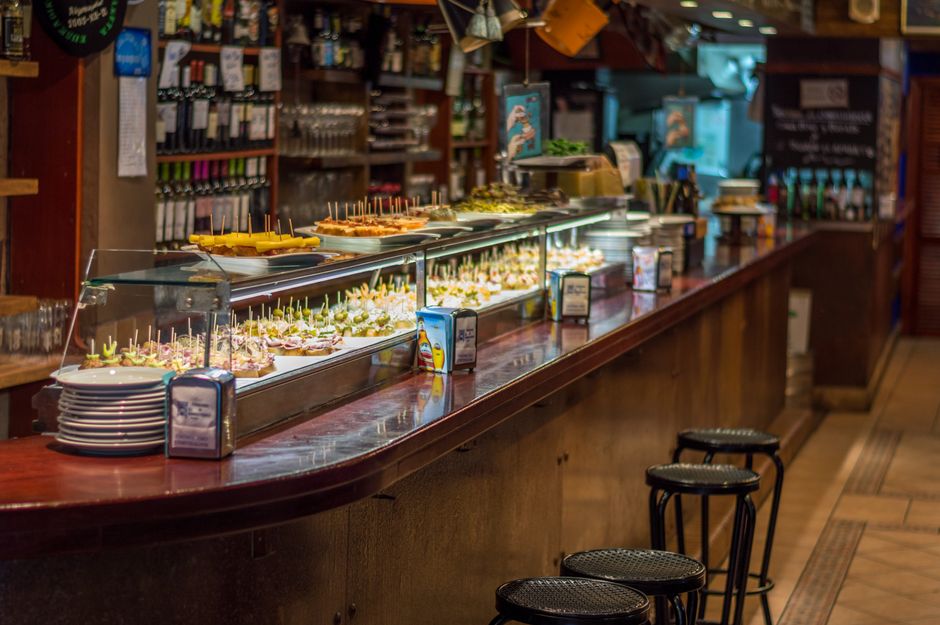
Seville's oldest tapas bar has been serving drinks since 1670. That's older than most countries. While plenty of bars near the Cathedral have been renovated into glossy tourist operations, a handful of genuinely old Sevillian establishments are still running exactly as they always have — wooden counters, chalk tabs on the wall, standing room only, zero interest in trend-chasing.
These are the ones worth seeking out, and how to eat at them without accidentally being that tourist.
El Rinconcillo (Since 1670)
Location: Calle Gerona 40, Macarena neighbourhood — a 15-minute walk north of the Cathedral.
El Rinconcillo claims to be Spain's oldest bar in continuous operation, and we're not going to argue with a place that's been open since before the United States existed.
The Tab System
The experience starts the moment you sit down. Your drinks and tapas are tracked in chalk on a piece of wood behind the bar — a handwritten tally for your table, wiped off only when you settle up. It's functional, slightly theatrical, and entirely genuine.
What to Order
- Espinacas con garbanzos — this is where the dish reportedly originated. Order it.
- Jamón ibérico — served properly, carved at the bar, not pre-sliced and dried out
- Croquetas de jamón — rich, properly béchamel-heavy, fried to order
- House wine by the glass — no-nonsense, inexpensive, correct
When to Go
Arrive before 1:30 PM for lunch (it gets packed by 2 PM) or after 8 PM for evening tapas. Midday in peak summer, queues form outside. Worth waiting 15 minutes; not worth queuing an hour.
The bar is dark-wood traditional Andalusian inside — azulejo tiles, hunting trophies, wine barrels. It photographs beautifully but photographing is a secondary activity. Eating is primary.
Bodeguita Romero
Location: Calle Harinas 10, near the Cathedral.
Bodeguita Romero has a smaller footprint and less fanfare than El Rinconcillo, but a cult following for one specific item.
The Montadito de Pringá
This is the place to eat pringá. The slow-cooked mixed meat — pork belly, chorizo, black pudding — shredded and loaded onto a small roll. It's been on the menu since the bar opened in 1939. The recipe hasn't changed. Order one, then order another.
The Bar Experience
Standing only, or squeeze onto a stool if one's free. The staff are efficient rather than warm — this isn't a place that performs hospitality, it just delivers food and drink at pace. That's correct.
Other reliable orders: cold fino sherry by the glass (served properly chilled), gambas al ajillo, and whatever the daily specials board says.
Casa Morales
Location: Calle García de Vinuesa 11.
Dating to 1850 and still wine from the barrel. Casa Morales is a bodega (wine shop and bar) that evolved into a tapas bar without abandoning its original function. Large clay amphorae behind the bar hold the fino and manzanilla; your glass is filled straight from the barrel.
Order wine, sit under the barrels, eat whatever's listed on the small tapas board. The conservas (quality tinned seafood — a proper Spanish tradition, not a budget shortcut) are worth trying here.
Bar Las Teresas
Location: Calle Santa Teresa 2, Barrio Santa Cruz.
Las Teresas is in the tourist neighbourhood but has maintained its Sevillian character through sheer density of regular locals. The hanging jamones from the ceiling, azulejo tiles, and wooden bar stools have been the same for decades.
Reliable for a quick standing drink and tapa when you're already in Santa Cruz and want to step out of the tourist orbit for 20 minutes.
How to Eat at a Proper Sevillian Bar
A few rules that matter:
Go to the bar, not a table. Tables are for lingering; the bar is for eating. You'll get better service, more interaction with the staff, and usually fresher food.
Don't ask for a menu first. Look at what's on the counter or board and order that. Asking for a printed menu at a traditional bar marks you immediately.
Order one thing at a time. The culture is sequential — order a tapa, eat it, order another. Not everything at once.
Pay when you leave. Tab culture means you don't ask for the bill until you're ready to go. Asking mid-meal is slightly unusual.
Don't tip heavily. Small change is appropriate — rounding up to the nearest euro, leaving coins. Leaving a 15–20% tip is not the norm and slightly confusing.
For the full neighbourhood breakdown — which streets have the densest concentration of traditional bars, when the locals eat lunch, and which areas to avoid — the ConciseTravel Seville guide maps it all without sending you on a detour.