 ConciseTravel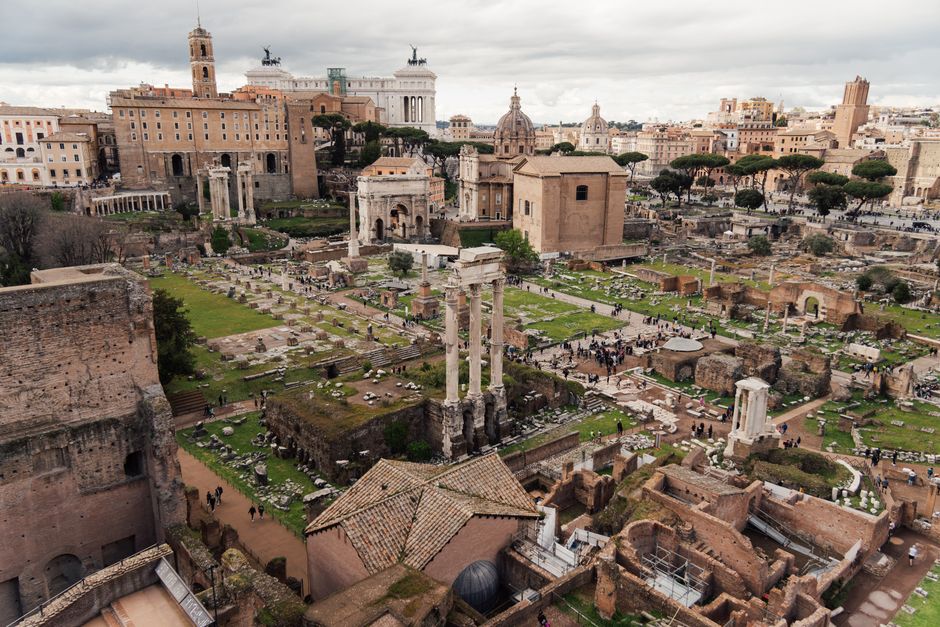
One ticket. Three sites. Two thousand years of history in a single morning.
The Colosseum, Roman Forum, and Palatine Hill are sold together on a single combo ticket for around €16. It's one of the better deals in European tourism — and one of the most frequently mishandled by travellers who show up without a booking.
Why You Have to Book in Advance
The queues without a pre-booked timed entry can run to two hours or more in peak season. The Colosseum is consistently one of the most-visited sites in the world, and the crowds reflect that.
Booking a timed entry slot online means you walk past the queue and into the building. It's not a luxury — it's the only sensible way to do it.
Buy directly through the official Colosseum site (coopculture.it). Avoid third-party resellers: they charge significant mark-ups and sometimes sell non-timed tickets that put you back in the queue anyway. The official site is the source, and it's easy enough to navigate.
Book at least a few days ahead in high season (April–October). In summer, popular time slots — mid-morning on weekends especially — sell out a week in advance.
What the Combo Ticket Covers
The €16 ticket gets you into:
- The Colosseum — the amphitheatre itself, the arena floor (if you're on that tier), and the internal exhibition spaces
- The Roman Forum — the civic heart of ancient Rome, now a sprawling ruin of temples, arches, and basilicas
- Palatine Hill — the mythological birthplace of the city and a hilltop with sweeping views over the Forum below
You can visit them in any order, though most people do Colosseum first, then walk through the Forum, and climb Palatine Hill at the end. That order works well logistically since it's a natural geographic progression.
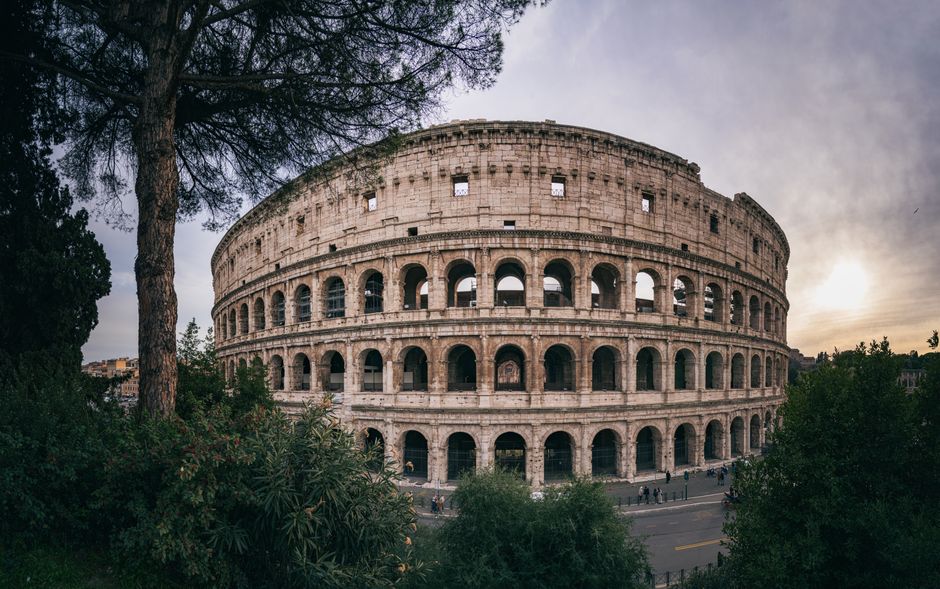
The Colosseum
Built between 70–80 AD and capable of holding up to 80,000 spectators, the Colosseum staged gladiatorial combat, animal hunts, and public spectacle for centuries. The scale is startling even if you think you're prepared for it.
The standard ticket includes the first and second tiers. If you want access to the arena floor (where gladiators actually fought), the underground hypogeum, or the upper tiers, those require upgraded tickets booked separately. Worth it for history enthusiasts; most visitors are satisfied with the standard access.
Bring water. The Colosseum is largely exposed, and in summer, the stone radiates heat.
The Roman Forum
Walk down the slope from the Colosseum entrance and into the Forum. This was the centre of public life in ancient Rome: political speeches, religious processions, commercial deals, and criminal trials all happened here.
What survives is fragmentary but evocative. Look for:
- Arch of Titus — commemorating the destruction of Jerusalem in 70 AD
- Temple of Saturn — eight original columns still standing
- Via Sacra — the ceremonial road running through the heart of the Forum
- Basilica of Maxentius — enormous vaulted ruins that inspired Renaissance architects
Allow at least an hour to walk through properly. There are information boards throughout, but the site benefits from a good audio guide or some pre-reading.
Palatine Hill
Palatine Hill is the highest of Rome's seven hills and sits directly above the Forum. According to legend, Romulus founded the city here in 753 BC, and the hill later became the exclusive address for Rome's emperors.
The ruins up here are extensive — imperial palaces, private gardens, and ancient cisterns — but the main reason to climb is the view. From the terrace overlooking the Forum, you get the spatial relationship between the sites in a way that's impossible from ground level.
It's also quieter than the Forum and Colosseum, especially in the afternoon.
The Free First Sunday Trap
State-run museums including the Colosseum, Forum, and Palatine Hill offer free entry on the first Sunday of each month. The catch: everyone knows about it. Crowds are significantly larger, and pre-booking isn't available for the free slots, so queues form regardless.
If the date lines up and you're happy to queue early, it's a reasonable trade. Otherwise, the €16 ticket with a booked slot is the better experience.
Best Time to Visit
Early morning (opening time, typically 9am) or late afternoon (two hours before closing) are the least crowded windows. Midday in summer is genuinely unpleasant — full sun, maximum crowds, no shade.
The golden hour light on the Forum's ruins in the late afternoon is also worth noting if you're photographically inclined.
For the full breakdown of what to see inside the Colosseum's tiers, the Forum's key monuments mapped in order, and the Palatine ruins that are actually worth your time, the Rome Travel Guide on Etsy has it all sequenced and explained.
Master rome in Minutes
Don't waste hours planning. Get our condensed, digital cheat sheet with everything you actually need.
Shop Guide on Etsy →