 ConciseTravel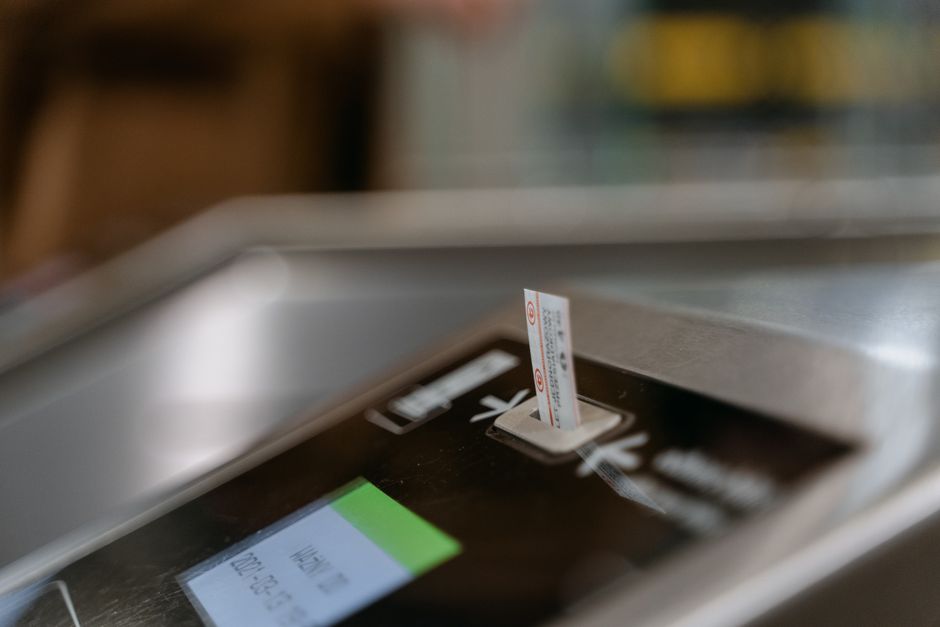
Rome's public transport won't win any awards for punctuality, but it covers the city thoroughly and costs a fraction of taxis. Learn the system once and it works for you all trip.
The Metro: Fast When It Matters
Rome's metro has three lines.
- Line A connects the Vatican/Ottaviano area through the Spanish Steps (Spagna) to Termini, then continues east to Anagnina. It's the tourist workhorse.
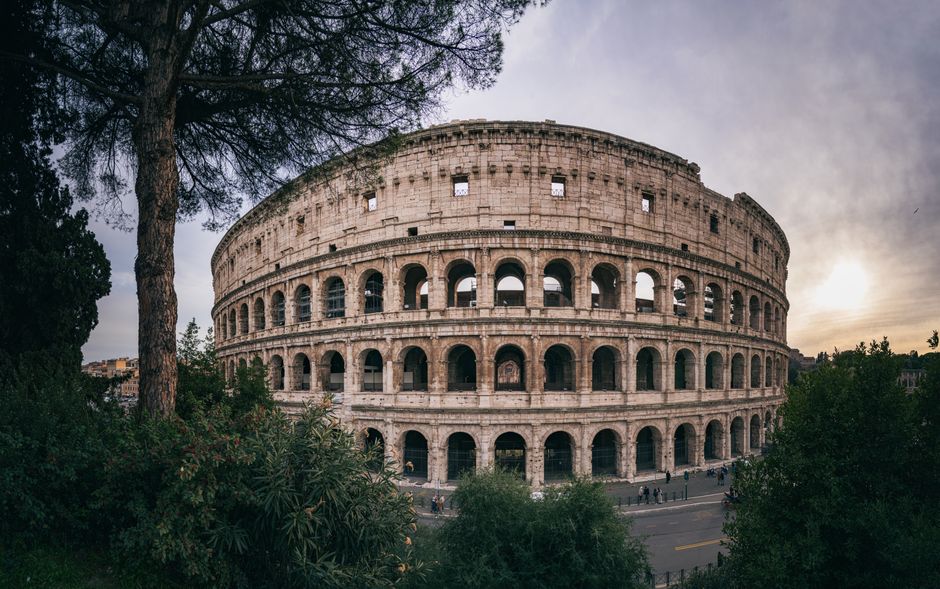
- Line B runs north–south, crossing Line A at Termini. Useful for Colosseum (Colosseo stop) and Tiburtina.
- Line C is the newest and connects the southeastern suburbs to the centre — less relevant for most visitors.
The metro is fast, air-conditioned, and avoids Rome's chaotic street traffic. For long cross-city journeys — say, Vatican to Colosseum — it's the obvious choice. The downside: coverage has gaps, and several major sights (Pantheon, Piazza Navona, Trastevere) aren't near a metro stop.
Buses: They Go Everywhere
Rome's bus network run by ATAC fills the gaps the metro misses. Buses reach every neighbourhood, including the historic centre streets where trams and metros don't run.
The trade-off is traffic. Bus journey times vary enormously depending on the time of day. Factor in extra time during rush hour (roughly 8–10am and 5–8pm). Buses are also crowded — keep your bag in front of you and your phone out of your back pocket.
Night buses (indicated by "n" prefix) run after midnight when the metro closes. Useful if you're out late in Trastevere or Testaccio.
Tram #8: The Trastevere Express
One tram line worth knowing: Tram #8, which runs from Piazza Venezia through the city into Trastevere. It's a relaxed way to reach Trastevere without navigating the bus confusion, and gives a pleasant ground-level view of the city along the way.
Tickets: What to Buy and Where
All metro, bus, and tram journeys use the same integrated ticket system. Options:
| Ticket | Price | Valid For |
|---|---|---|
| Single (BIT) | €1.50 | 100 minutes, unlimited changes (bus/tram), one metro ride |
| 24-hour pass | €7 | Unlimited travel for 24 hours |
| 48-hour pass | €12.50 | Unlimited travel for 48 hours |
| 72-hour pass | €18 | Unlimited travel for 72 hours |
| Weekly pass | €24 | 7 days unlimited |
For most visitors, a single ticket covers the occasional metro or bus trip. If you're planning a packed day hitting multiple sites across the city, the 24-hour pass at €7 pays for itself after five single journeys.
Where to buy: Tabacchi (tobacco shops, identified by a "T" sign), newsstands, and ATAC ticket machines at metro stations. Some buses have on-board machines but not all — don't rely on it.
Validation: The Step Tourists Miss
This is where people get caught. In Rome, buying a ticket is not enough — you must validate it.
- At metro stations: swipe or tap your ticket through the turnstile gate.
- On buses and trams: stamp it in the yellow validation machines near the doors as you board.
Unvalidated tickets are treated the same as no ticket at all. ATAC inspectors board buses and trams without warning. Fines start at around €100, and "I didn't know" is not a defence they accept.
Validate every time, even if the machine looks like no one's checking.
Metro vs. Bus vs. Walking: A Quick Guide
- Metro: Best for fast, cross-city travel. Colosseum, Vatican, Spanish Steps, Termini connections.
- Bus: Best for reaching Pantheon, Piazza Navona, Campo de' Fiori, and streets the metro skips.
- Walking: Best for almost everything within the historic centre. Most major sights are under 20 minutes on foot from each other. Wear comfortable shoes — cobblestones are relentless.
For Rome's compact historic core, two legs beat two metro lines most of the time.
For the full logistical breakdown of getting around Rome — including where to stay relative to the metro stops and which bus numbers actually serve the sights — the Rome Travel Guide on Etsy has it all in one place.
Master rome in Minutes
Don't waste hours planning. Get our condensed, digital cheat sheet with everything you actually need.
Shop Guide on Etsy →