ConciseTravel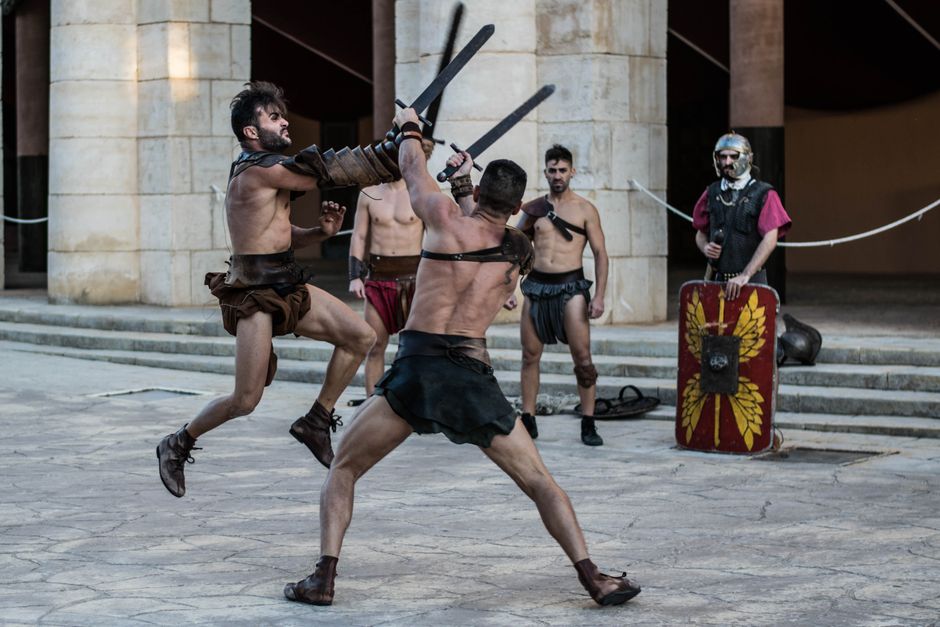
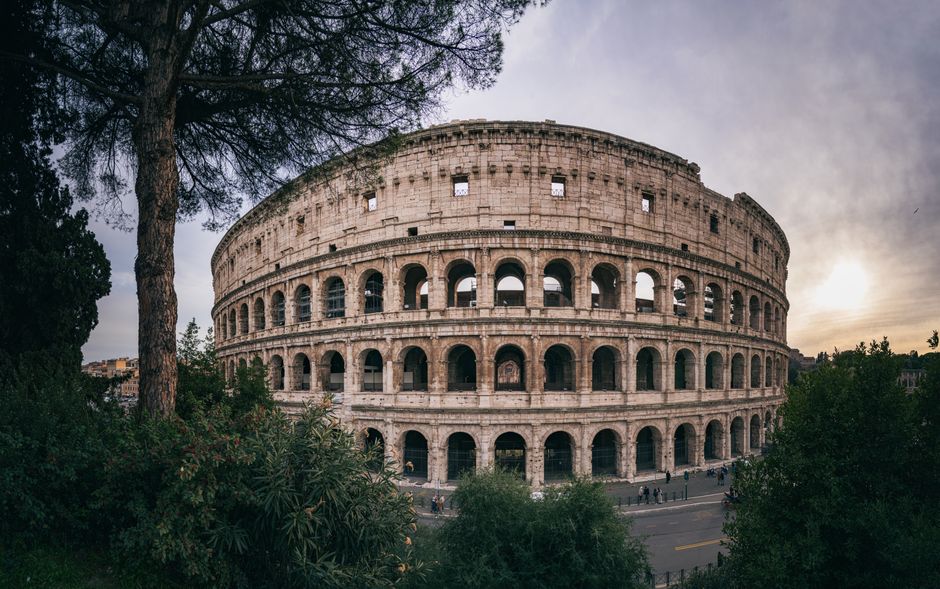
Most people visit the Colosseum, stare at the arena floor, and think "I wonder what it actually felt like." Gladiator School answers that question — with a wooden sword in your hand.
This is not a tourist gimmick. It's a two-hour training session run by historical re-enactment societies that take Roman military culture seriously. Adults book it as often as families do.
What Is Rome's Gladiator School?
Several operators run gladiator training experiences in Rome, with Gruppo Storico Romano among the most established. Sessions take place near the Colosseum and Circus Maximus — fitting, given the geography.
The format is consistent across reputable providers: you arrive, get kitted out in a tunic, strap on basic armour, pick up a wooden rudis (practice sword) and a shield, and spend roughly two hours learning what gladiators actually trained to do.
This isn't choreographed for photos. The instructors are re-enactors who have studied Roman military manuals — the techniques are historically grounded, not invented for spectacle.
What Happens in a Session
Sessions typically follow a structure:
Warm-up and formation. You start with basic stances and footwork. Roman gladiators weren't brawlers — they were disciplined, mobile, and trained to read an opponent's movement. The footwork alone takes ten minutes to get halfway right.
Attack and defence drills. Instructors walk through specific strike patterns: the thrust, the diagonal cut, the shield push. You practice these in pairs, which immediately reveals how coordination-dependent real combat was.
The final bout. Sessions end with a mock battle. Participants face off in the arena space, applying whatever they've absorbed. The instructors officiate, correct, and occasionally humiliate gently — in the Roman tradition.
The whole thing runs about two hours. Enough to feel genuinely tired by the end.
Who It's For
The short answer: anyone with a functioning interest in Roman history and a willingness to look slightly ridiculous for the first twenty minutes.
Children from around age eight upward do well in family sessions. But adults without kids book this regularly — the historical angle is serious enough that it doesn't feel like a children's activity. If you've spent two days staring at ruins and reading plaques, spending two hours inside the history lands differently.
Groups also enjoy it. It works well as a shared experience that generates stories, which a second museum does not.
Practicalities
Price: Expect to pay €50–100 per person depending on the operator and session type. Group rates are often available.
Booking: Reserve in advance through GetYourGuide, which lists multiple vetted operators with clear session lengths, included equipment, and reviews. Walk-in availability is rare for quality providers.
Location: Most sessions run near the Colosseum area, which you can reach via Metro Line B to Colosseo.
What to wear: Comfortable clothing you don't mind sweating in. Trainers or flat shoes — no heels on a training floor. The tunic and armour go on over whatever you're wearing.
What to bring: Water. The sessions are physically active. Sunscreen if it's summer and the training space has outdoor elements.
A Quick Note on the Real Thing
Roman gladiators were not slaves fighting to the death for entertainment, at least not as a rule. Most were trained professionals — some were volunteers — who fought under contract with schools (ludi) run by businessmen called lanistae. Death in the arena was bad for business; a trained fighter represented significant investment.
Bouts ended when one combatant submitted or couldn't continue. The crowd and the sponsor (the editor) decided the outcome. Gladiators who performed well accumulated reputations, endorsements, and fan followings. They were the Premier League footballers of the ancient world.
Knowing this makes the training feel less like a theme park and more like stepping into a legitimate athletic tradition.
For the full breakdown of what's worth your time in Rome — from the Colosseum interior to the lesser-visited sites that most guides skip — the Rome Travel Guide on Etsy has everything mapped out.
Master rome in Minutes
Don't waste hours planning. Get our condensed, digital cheat sheet with everything you actually need.
Shop Guide on Etsy →