 ConciseTravel
Rome attracts visitors every month of the year and handles the pressure with varying levels of grace. The Colosseum queue in August is not grace. Here's what to actually expect across the seasons.
Spring (March to May)
The Peak That Doesn't Feel Like Peak
Spring triggers Rome's first major crowd surge, and a lot of visitors are surprised by this. Easter week in Rome draws pilgrims and tourists from across the world. The Vatican is at its most congested. Hotel rates spike hard for Easter weekend, sometimes doubling mid-range nightly rates to £200-£350.
Outside Easter, April and May are excellent. Temperatures sit between 14°C and 22°C. The gardens at Villa Borghese are in full bloom. Walking the centro storico between sites feels manageable rather than exhausting. Late April through May is the best spring window if you can sidestep Easter.
March is underrated. Cooler (10°C-15°C), noticeably quieter than April or May, and often cheaper. The light is good, the queues at the Vatican Museums are shorter than at any other point in spring, and you get a version of Rome that feels like it belongs to people who actually live there.
Summer (June to August)
The Honest Reality
June is fine. Warm (25°C-28°C), busy but not brutal, with enough of the city's infrastructure running at full speed to justify the crowds. Timed entry for the Colosseum and Vatican sells out, but booking a few weeks ahead still works.
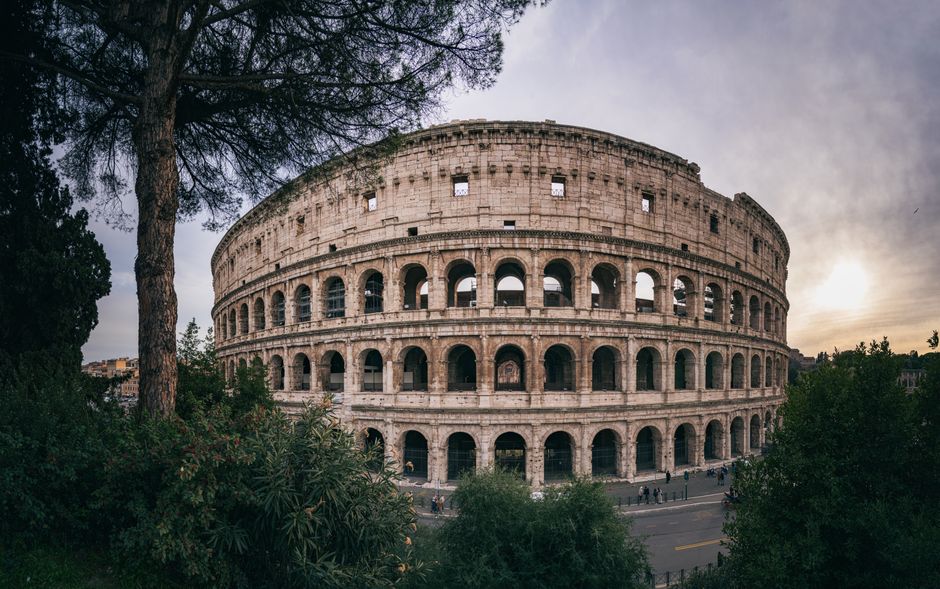
July and August are a different matter. Temperatures regularly reach 32°C-36°C. The centro storico turns into a sustained endurance test for afternoon sightseeing. Humidity off the Tiber makes it worse. The Trevi Fountain and Colosseum operate on volume levels that make appreciating them genuinely difficult.
From around August 10-20, large parts of Rome partially shut down. Many family-run restaurants and local businesses close for a week or two. You end up with peak tourists competing for a reduced supply of the best local options.
Hotel rates in July and August peak at £220-£400 per night for central three-stars.
Autumn (September to November)
The Correct Answer
September is where most experienced Rome visitors end up landing. Temperatures drop from August's extremes to a comfortable 22°C-26°C. Summer crowds thin after the first ten days. Prices drop 20-30% across accommodation. The outdoor dining culture continues at full capacity.
October runs between 15°C and 20°C and remains strong. The Vatican Museums, Borghese Gallery, and the major Forum sites are all significantly more manageable than in summer. Rain becomes a minor factor through October and into November, but Rome's covered colonnades and cafe culture handle an afternoon shower without drama.
November quietens further. By the second half of the month you have a noticeably different version of the city: fewer queues, lower prices (£100-£180 per night for central options), and a pace that feels more like a city and less like a theme park.
Winter (December to February)
Underestimated and Underpriced
Christmas in Rome has genuine atmosphere. The Vatican nativity scenes, the markets at Piazza Navona, and the seasonal lighting across the historic centre make December a compelling option. It's cool (6°C-10°C) but rarely cold in the northern European sense.
January and February are Rome's quietest months. Hotel rates fall to their annual lows, sometimes £80-£150 per night in decent central locations. The Colosseum and Vatican can be visited at close to normal pace without the theatrical scrum of peak season. Winter light is low and clean -- genuinely good for photography.
The trade-off: some outdoor sites feel less alive, and the energy of a summer or autumn evening in Trastevere doesn't quite translate to January. But for pure sightseeing efficiency and value, winter is hard to beat.
Key Events to Know
- Easter Week: Vatican is at maximum capacity. Book 6+ months ahead or go early March instead.
- Ferragosto (mid-August): Partial city shutdown. Reduce local dining options.
- Rome Film Festival (October): Some hotel demand in the second half of October.
- New Year's Eve: Central Rome gets very busy. Price spike for 30 Dec to 1 Jan.
The Verdict
Best window: late September to mid-October. Temperatures are comfortable, summer is over, prices have dropped, and the main sites operate at a level where you can actually experience them rather than just survive them.
Runner-up: late March, outside Easter. Quiet, affordable, and the city still delivers everything that makes Rome worth the trip.
Our Rome city break guide covers how to book the Vatican and Colosseum without losing the will to live, where to stay by budget and preference, and how to structure two to five days to cover the things that actually matter.
Master rome in Minutes
Don't waste hours planning. Get our condensed, digital cheat sheet with everything you actually need.
Shop Guide on Etsy →