 ConciseTravel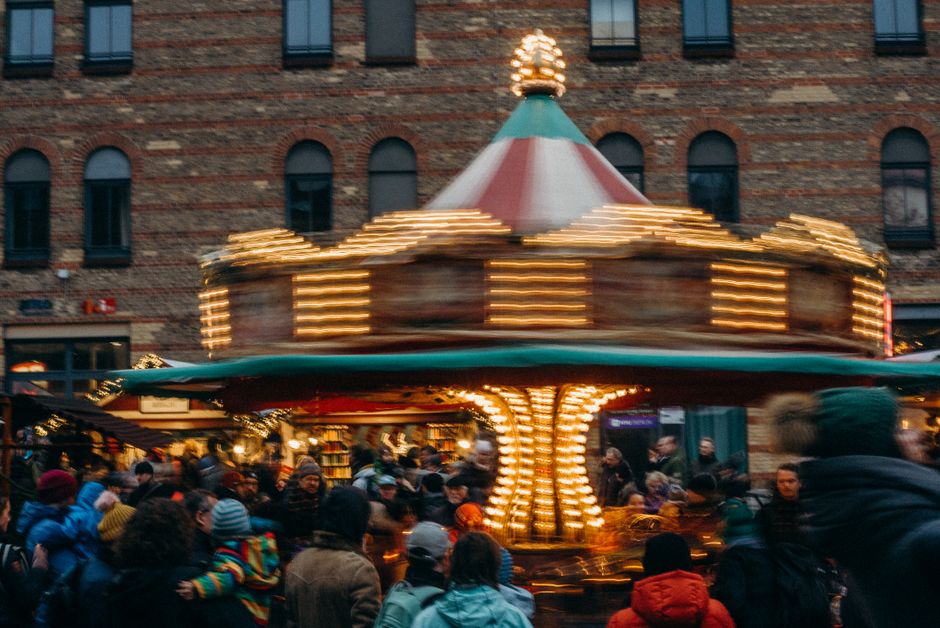
Copenhagen is expensive year-round, so the question isn't just when the weather is best. It's when you get the most city for your money and the least friction getting around it.
Summer: The Obvious Answer, For Obvious Reasons
June through August is when Copenhagen fully opens up. Temperatures reach 20-24°C, the harbour baths fill with locals swimming in the canal, Nyhavn's outdoor seating is elbow-to-elbow, and the long Nordic days (sunrise before 5am in June, sunset after 10pm) give you an absurd amount of light to work with.
The city genuinely earns its summer reputation. Tivoli Gardens runs its main season, the Copenhagen Jazz Festival (early July, 10 days) turns the whole city into a free outdoor music venue, and the energy is unambiguously good.
But summer comes with a price. Copenhagen is already one of Europe's most expensive cities, and summer adds 20-35% to accommodation rates across most areas. Popular restaurants at the accessible price point fill up well in advance. The Nyhavn strip looks better in photos than it delivers in person during August — very crowded, overpriced on the food side.
Winter: Hygge in Practice
November through February is cold (0-5°C, occasionally below), dark (sunset around 3:30pm in December), and — if you approach it correctly — quietly brilliant. Copenhagen was essentially the city that sold the world on hygge, and in winter that concept is doing real work. Candlelit cafes, smørrebrød lunches that justify the trip on their own, and a city that doesn't feel like it's performing for tourists.
The Christmas market at Tivoli (late November through December) is one of the most charming in Northern Europe and genuinely worth the trip if you're a Christmas market person. January and February are rock-bottom price months — accommodation can drop 30-40% from summer peak, and you'll find it much easier to walk into restaurants without advance booking.
The obvious cost: outdoor exploration in January dark and cold is limited. Copenhagen's cycling culture goes quieter. If weather is central to your trip enjoyment, winter is a hard ask.
Autumn: The Smartest Pick
September and October are Copenhagen at its most balanced. Temperatures sit around 10-16°C in September, cooling to 7-12°C in October — comfortable for walking the city's flat streets and cycling the harbour areas. The summer crowds have cleared, prices start dropping, and the city returns to its working, local rhythm.
Copenhagen's food scene in particular benefits from autumn. The restaurant scene is fully operational, seasonal menus lean into Nordic produce (root vegetables, game, wild mushrooms), and you're more likely to actually get into good restaurants without months of advance planning.
October is also when the city's design and architecture culture comes into focus in a way that feels less performative than peak summer. The Louisiana Museum of Modern Art north of the city is worth a half-day whenever you go, but it feels right in autumn.
Spring: Reliable, If Unremarkable
March through May sees Copenhagen warming gradually. March remains cold and unpredictable. April picks up, and May is genuinely good: temperatures around 12-18°C, the city starting to open up, and tourist numbers still below summer peak. Tivoli reopens in mid-April for its spring season.
Spring doesn't have summer's energy or autumn's value, but it's a solid, uncomplicated time to visit. Easter is a major domestic travel period in Denmark — some things close for the long weekend, and hotel prices tick up.
Key Events That Change the Maths
- Copenhagen Jazz Festival (early July, 10 days): One of the world's great city jazz events. Hundreds of free outdoor concerts across the city. A genuine reason to time your trip.
- Distortion (late May/early June): Large street festival across different neighbourhoods across five days. Chaotic fun if you're into it, logistically disruptive if you're not.
- Tivoli Christmas Market (late November - December): Worth the trip if you're already considering a December visit.
- Copenhagen Pride (mid-August): Lively, popular event; accommodation books fast for that week.
The Verdict
Best window: September. The summer crowds have gone, the prices have eased, the weather still cooperates, and the city runs at its most genuine. You can cycle along the harbourfront without fighting tourists, eat well without booking three months out, and actually engage with the city rather than queuing through it.
Runner-up: Early July (Jazz Festival week). If you can handle the crowds and the cost, the Jazz Festival transforms Copenhagen into something special. The free concert access genuinely changes the value calculation even at elevated prices.
Don't dismiss winter, especially if December markets appeal. It's cold and dark but the city has substance year-round.
Our Copenhagen city break guide cuts through the planning complexity — neighbourhood choices, transport cards, and where the money actually goes — so you can focus on the visit itself.


