 ConciseTravel
Berlin operates on its own logic. The conventional wisdom says go in summer. The better answer is more interesting than that.
Summer: Spectacular If You Can Handle the Crowds
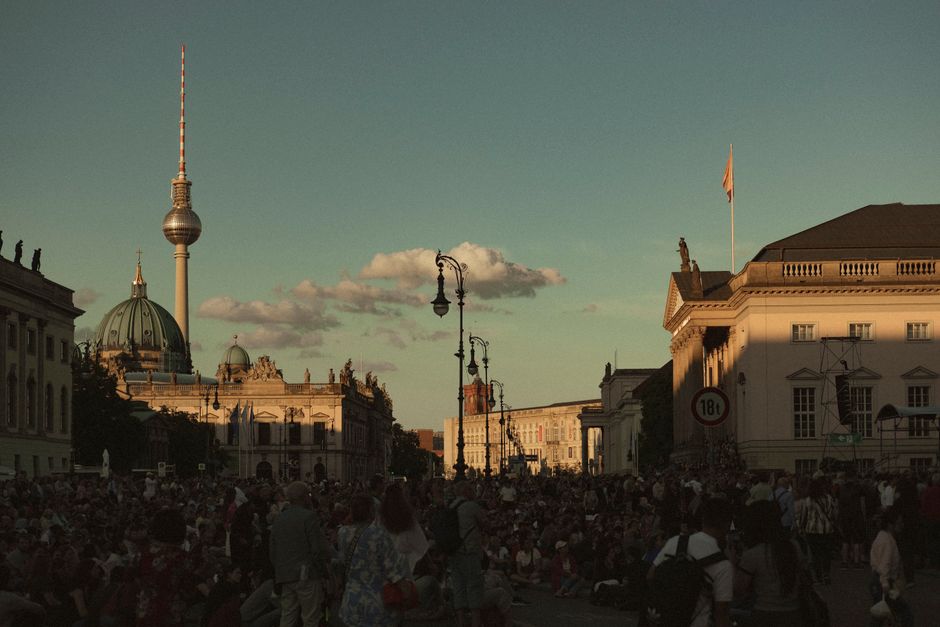
June through August transforms Berlin into one of Europe's best outdoor cities. Temperatures hover around 20-26°C, the parks (Tiergarten, Tempelhof, Tempelhofer Feld) fill with people, and the club and festival scene reaches its annual peak. Outdoor cinema nights, beer garden culture, and long daylight hours (sunset past 9:30pm in June) make this the city at its most social.
The flip side: Berlin in summer is no longer cheap or quiet. Hotels near Mitte and Prenzlauer Berg run 25-40% above shoulder season prices. The major museums — Pergamon, Neues Museum, DDR Museum — get crowded, and timed entry sells out fast. July in particular brings a relentless stream of European and international visitors.
If you're coming for the music scene or outdoor culture, summer is genuinely brilliant. If you're coming for history and museums, you'll spend a lot of time managing queues.
Winter: Cold, Dark, and Genuinely Atmospheric
November through February is Berlin's hardest sell. It gets cold (0-5°C, sometimes below freezing), the days are short, and rain or grey skies are the norm. But it's also the cheapest time to come and, for the right traveler, quietly excellent.
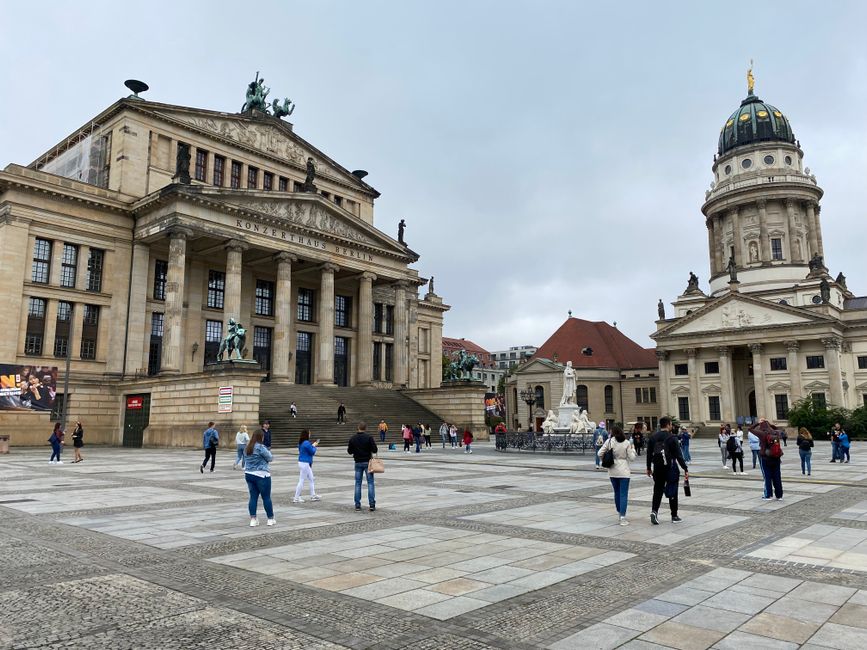
The Christmas markets (late November through December) are among the best in Germany. The one at Gendarmenmarkt in particular draws visitors for good reason — it's elegant rather than tacky. Hotel prices around this period creep back up, but January and February are genuinely bargain months: accommodation can be 30-40% cheaper than peak summer, and the city's indoor culture (gallery scene, music venues, the restaurant scene in Neukölln and Kreuzberg) is fully alive.
Cold-weather caveat: if your trip depends heavily on outdoor exploration, winter is a grind. Berlin's scale means a lot of walking, and doing that in driving sleet isn't everyone's idea of fun.
Autumn: Underrated, Properly Good
September and October deliver a sweet spot that too few people use. Temperatures sit at 12-20°C, dropping towards 8-12°C by late October. The summer crowds have cleared, prices have eased, and the city settles into its more local, working rhythm. Autumn light in Berlin — particularly around the Tiergarten and the Spree — is genuinely beautiful.
The Berlin Festival of Lights (usually mid-October) is worth knowing about: major landmarks get illuminated art installations across 10 days. It brings crowds but adds visual spectacle. If you visit around it, book accommodation early.
October is arguably the best month for museum-going. The Pergamon, Hamburger Bahnhof, and the Memorial to the Murdered Jews of Europe all feel appropriately reflective in autumn rather than tourist-rushed.
Spring: Strong Contender, Weather-Dependent
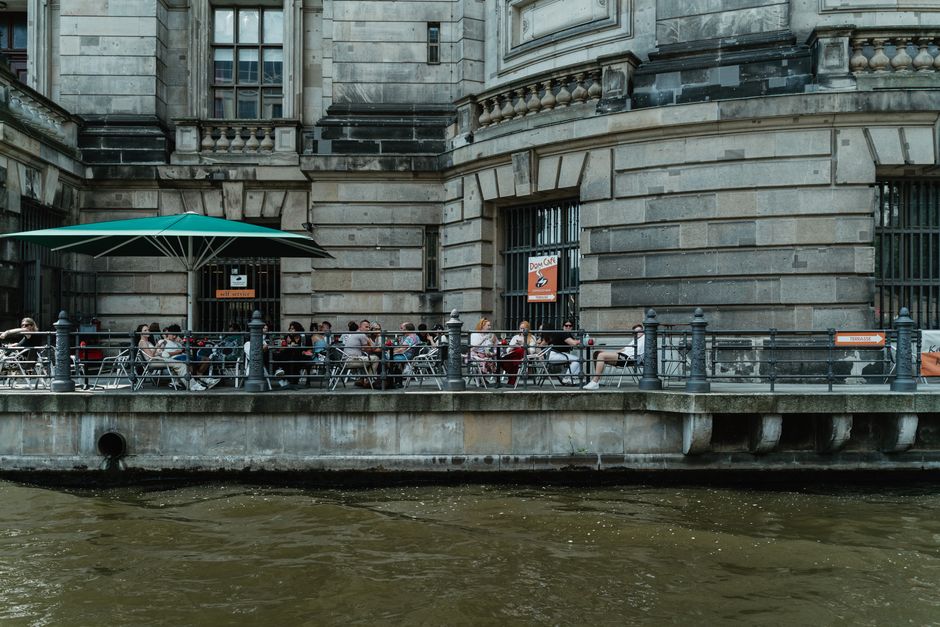
March through May sees Berlin shake off winter gradually. March can still be cold and grey, but April and May deliver the kind of crisp, bright weather that suits the city well. The city's park and cycling culture re-emerges, cafes put their outdoor seating back, and the tourist season hasn't quite cranked to full volume yet.
Easter is worth noting: domestic German travel rises, prices tick up for the long weekend, and some museums run special exhibitions. May Day (1 May) is a significant date in Berlin — historically charged street events in Kreuzberg, worth being aware of for logistics if nothing else.
Key Events That Change the Maths
- Berlinale (February): The international film festival. Major event, significant hotel spike in that week. Worth it if film is your thing.
- Christopher Street Day (late June): One of Europe's largest Pride events. Transformative atmosphere, heavy crowds, elevated prices.
- Berlin Marathon (September): Route cuts through central Berlin; some street closures worth knowing about.
- Festival of Lights (mid-October): Adds a genuine visual reason to visit in autumn.
- Christmas Markets (late November - December): Multiple across the city; quality varies wildly.
The Verdict
Best window: October. The crowds have gone, the light is good, the prices are honest, and the Festival of Lights gives you a spectacle if you time it right. Museums are manageable, the food scene is fully operational, and Berlin's particular energy — slightly underground, always interesting — comes through more clearly when it isn't performing for peak-season tourism.
Runner-up: May. The city waking up, manageable crowds, good weather odds, and the full cultural calendar in motion. If you need warmth and outdoor energy without the July-August scrum, May delivers.
Skip the Berlinale week unless film is your specific reason for being there — hotel prices spike hard for a week-long event.
When you're ready to plan the detail, our Berlin city break guide covers the neighbourhood decisions, transport logic, and day-by-day structure so you're not starting from scratch.
Master Berlin in Minutes
Don't waste hours planning. Get our condensed, digital cheat sheet with everything you actually need.
Shop Guide on Etsy →