ConciseTravel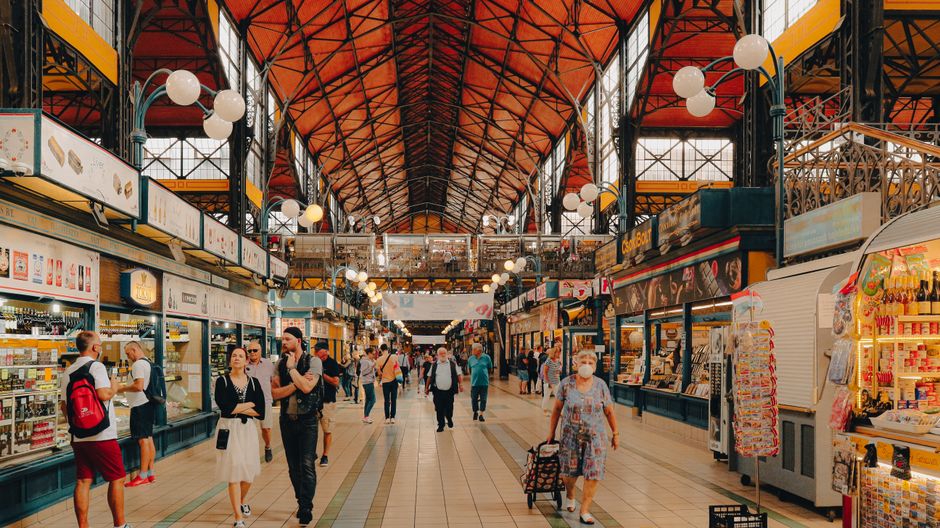
Oslo's street food scene is modest compared to major food cities, but it's genuine and improving. More importantly, food halls offer concentrated access to various vendors serving quality food at reasonable prices. If you're trying to eat well without spending 300+ NOK on restaurant mains, food halls and street food vendors are your answer.
Mathallen Oslo: The Food Hall Destination
Mathallen is the primary centralized food hall in Oslo, located in Grünerløkka. It's a renovated 1920s market hall with around 20 food vendors offering everything from sushi to Thai food to traditional Norwegian fare. It's genuinely diverse, genuinely good quality, and genuinely economical.
A meal at any Mathallen vendor typically costs 100-150 NOK (€8.50-13). That's far cheaper than sit-down restaurants (250-400 NOK) while maintaining quality. You can eat multiple things—sample from different vendors—without spending restaurant prices.
Worth trying at Mathallen:
- Skalden: Seafood-focused, ceviche and fresh fish preparations
- Vaaghals: Indian street food and curries
- Sult: Contemporary Scandinavian small plates
- Falafel vendors: Various stands do Mediterranean food
- Bakkellanen: Bakery items and coffee
The experience is casual—you order, get a number, grab a table in the communal space, wait for food. It's how locals eat when they're being economical and adventurous simultaneously.
Street Food Vendors and Markets
Oslo's permanent street food scene is smaller than Copenhagen's or Stockholm's, but it exists and is expanding. You'll find food trucks and stands near major tourist attractions (Opera House area, near museums) and in central squares.
Thai vendors are common—pad thai and similar dishes for 100-120 NOK from trucks. Quality is usually decent. You'll see them regularly in busy areas.
Hot dog and hamburger stands exist throughout the city. These are unambitious food—sausage in bread, burgers in buns—but they're satisfying and cheap (60-100 NOK).
Fresh vegetable and fruit stands appear at markets, particularly at Grünerløkka's weekend market in summer. They're more for shopping than eating, but you can grab fresh produce for picnics.
Supermarket Prepared Food
If you're trying to save money, supermarket chains (Rema 1000, Coop, Meny, Kiwi) have prepared food sections with sandwiches, ready-made meals, salads, and hot dishes. Quality is surprisingly good, and prices are far below restaurants.
A prepared meal from a supermarket typically costs 80-120 NOK. You get sandwich, salad, or warm dish, choose your side, and eat for less than street food or food hall vendors charge.
This sounds unglamorous compared to "discovering local food," but practically speaking, supermarket prepared food is how many Norwegians actually eat during weekdays. It's legitimate food, reasonable quality, and genuinely economical.
Bakeries as Casual Food
Norwegian bakeries sell more than just bread and pastries. Most have sandwich sections where they make fresh sandwiches to order. A sandwich with your choice of fillings (cured fish, cheese, roasted meats), bread, and vegetable add-ons typically costs 80-100 NOK.
Bakeries worth noting:
- Bakeriet ved Torvet: Central location, good quality
- Ferner Broch: The expensive hotel has an expensive bakery, but the food is excellent
- Frelsesarmeens: Religious organization bakery chain, legitimately good
The advantage: you can customize your sandwich, the ingredients are fresh, and the price is significantly lower than restaurants.
Weekend Markets
Grünerløkka has a weekend market (particularly summer) with food vendors, fresh produce, crafts, and general chaos. Food is casual and economical—various vendors, multiple cuisines, outdoor eating. It's genuinely good for atmosphere and value.
The Grünerløkka market happens year-round but is livelier in summer. Check local listings for exact times and what's on.
Eating Strategy for Budget Travellers
Breakfast: Bakery pastry and coffee (70-80 NOK). This is genuinely good and cheap.
Lunch: Food hall (100-150 NOK) or supermarket prepared food (100-120 NOK). Both are reasonable and satisfying.
Dinner: Casual restaurant (200-300 NOK) or continue with food hall. If you're eating at food halls twice, you're spending less than one restaurant meal.
Snacks: Fresh fruit/bread from markets or bakeries (40-60 NOK).
Following this pattern, you eat well for 250-400 NOK per day, compared to 600+ NOK if you're doing three restaurant meals. That savings compounds over a week-long trip.
The Honest Assessment
Street food culture in Oslo is not as developed as in major food cities. You're not going to stumble into incredible hawker food the way you might in Southeast Asia or even some other European cities. But food halls and bakeries offer quality casual food at reasonable prices, which is genuinely valuable.
The food hall strategy is particularly good: it's centralized, offers variety, provides good value, and connects you with how locals actually eat. It's not a tourist food experience—it's a practical one.
Practical Tips
Go to Mathallen during off-peak hours if you want to think. Lunch (12-1pm) and dinner (6-8pm) are crowded. 2pm-5pm is quieter. You can order without rushing.
Grab a table before ordering. Seats fill up, especially during meal times. Claim a spot, then order food.
Supermarket prepared food can be your secret weapon. It's not glamorous, but it's economical and genuinely decent.
Bakery sandwiches are underrated. They're fresh, customizable, and cheap. Make them part of your eating rotation.
The weekend markets are worth visiting just for atmosphere. Even if you don't eat, the market experience is genuinely Oslo.