ConciseTravel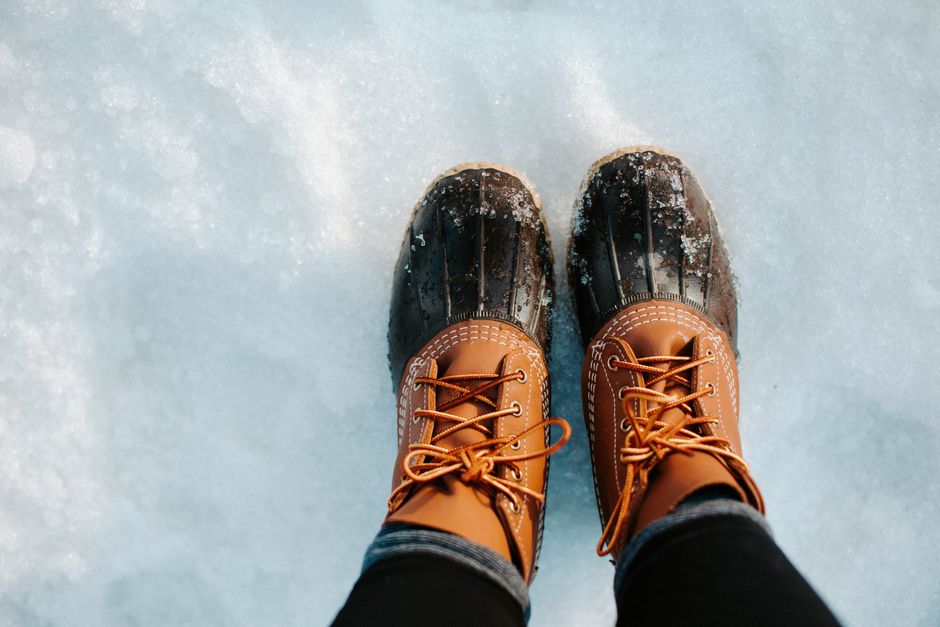
Oslo spring is a slow reveal. March is still properly cold: 2-7C, often grey, with snow possible on the surrounding hills and the fjord looking dramatic and wintry. April shifts to 6-12C and the city starts to show what it can be: the Bygdoy peninsula, the Akerselva river parks, and the fortress area all begin to come alive. By May you reach 12-17C and Oslo has some genuinely lovely days: long light hours, outdoor dining beginning, the locals wearing slightly less than their entire winter wardrobe. But this is a Nordic capital, and the spring arc from March to May requires packing for genuinely cold conditions, not optimistic light layers.
The Layering Approach
Oslo in March demands cold-weather packing. A thermal base layer, a fleece or substantial knit mid-layer, and a windproof waterproof outer shell is the minimum for March. April allows the base layer to lighten but the outer layers stay fully engaged. May is the most flexible month: some days you may need only a mid-layer and light jacket, others the full system. Oslo's position at the head of the Oslofjord creates its own microclimate: the waterfront and the fjord area feel colder than the city centre due to the water proximity and the wind it generates. Factor this into what you carry for waterfront days.
City-Specific Essentials
Windproof, waterproof outer layer: Essential throughout all three months. Oslo spring wind is a consistent factor, particularly anywhere near the fjord.
Thermal or merino base layer: For March and April, a proper base layer that adds warmth without bulk is worth the packing space.
Substantial mid-layer: A fleece, a down gilet, or a quality knit. Something that provides real warmth when the wind and cold arrive together.
Warm hat and gloves for March and April: The wind chill makes these necessary throughout the colder part of spring. Packable versions take up minimal space.
Waterproof walking shoes or ankle boots: Oslo spring ground is often wet or muddy, particularly in parks and at the Bygdoy outdoor museum sites. Waterproof footwear keeps the experience comfortable.
Comfortable shoes for long walking days: Oslo is more walkable than its geography suggests. The city centre, Grunerlokka, and Frogner are all explorable on foot with comfortable shoes.
Smart-casual for restaurants: Oslo has an excellent (and expensive) restaurant scene. One smart outfit for dinner is worthwhile. The city is not formal but it is put-together.
What to Leave Behind
Light spring jackets: Oslo spring renders these inadequate throughout March and April. Pack for real cold.
Sandals: Not until late May, and even then they are a stretch for a city with real terrain.
Multiple formal outfits: Oslo is Scandinavian-casual in dress code. Smart casual covers everything except the most specific dress-code venues.
Budget expectations from warmer, cheaper cities: Oslo is one of the most expensive cities in Europe. Budget accordingly, especially for restaurants and transport.
Planning Your Trip
Oslo rewards people who plan for the cost as much as the attractions. Knowing which museums are worth paying for, where to eat at different price points, and how to use the day pass on public transport makes a real difference. Our guide covers the practical side.