 ConciseTravel
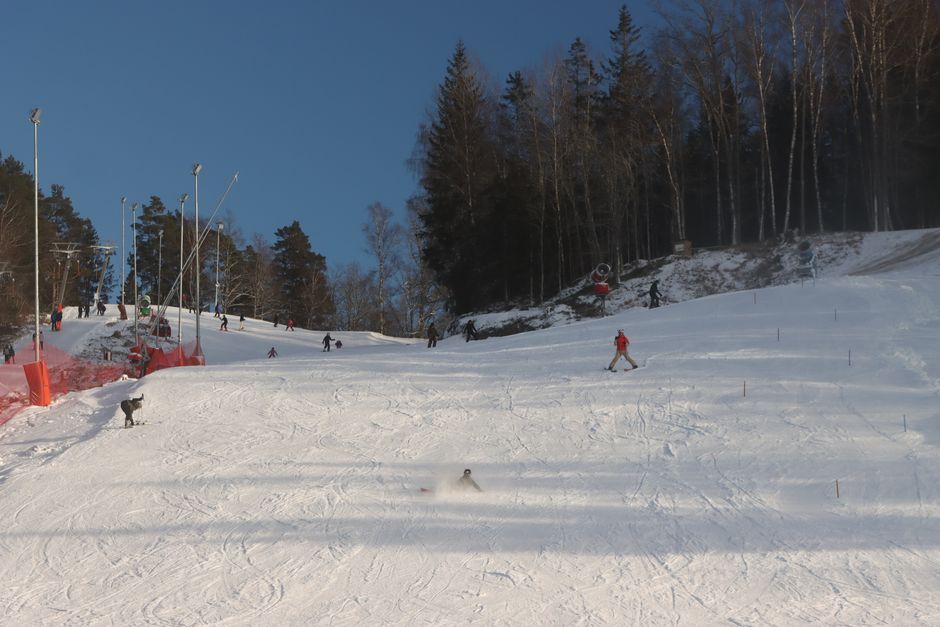
Oslo in winter is not for the faint of heart or the underprepared. January in Oslo is properly, seriously cold. The Norwegian capital sits at 60 degrees north latitude, which means limited daylight and temperatures that can drop to -10C or below for days at a time. The upside: Oslo in winter is also one of Scandinavia's most atmospheric city experiences, with frozen fjord views, excellent museums, and the Holmenkollen ski area visible above the city. The Norwegians have a saying: there is no bad weather, only bad clothing. This is the packing list that takes that seriously.
The Real Winter Temperature Story
Oslo in December averages -1 to 2C. January is the harshest month, typically sitting between -4 and 0C during the day, with overnight lows regularly reaching -8 to -12C. February is similar. Snow is reliable and often stays on the ground from December through February. Daylight in January is around 7 hours. The city operates entirely normally through all of this: Oslo's infrastructure handles winter efficiently.
The cold is dry continental cold rather than damp Atlantic cold, which is marginally more comfortable than, say, Edinburgh in January. But -8C with a Oslo wind is not something to underestimate. The full cold-weather kit is not optional here.
City-Specific Cold-Weather Must-Haves
A serious expedition-grade or expedition-adjacent winter coat. Rated to -10 to -15C. Down-filled and windproof. Oslo's winter demands the best coat you own or can borrow.
Thermal base layers, top and bottom, in wool. Merino wool is the Scandinavian standard for a reason: it insulates even when damp, manages body temperature across the full cold-to-warm indoor range, and handles multiple days of wearing. Pack two sets for a multi-day trip.
A thick wool or fleece mid-layer. Between thermals and outer coat. Essential insulation layer.
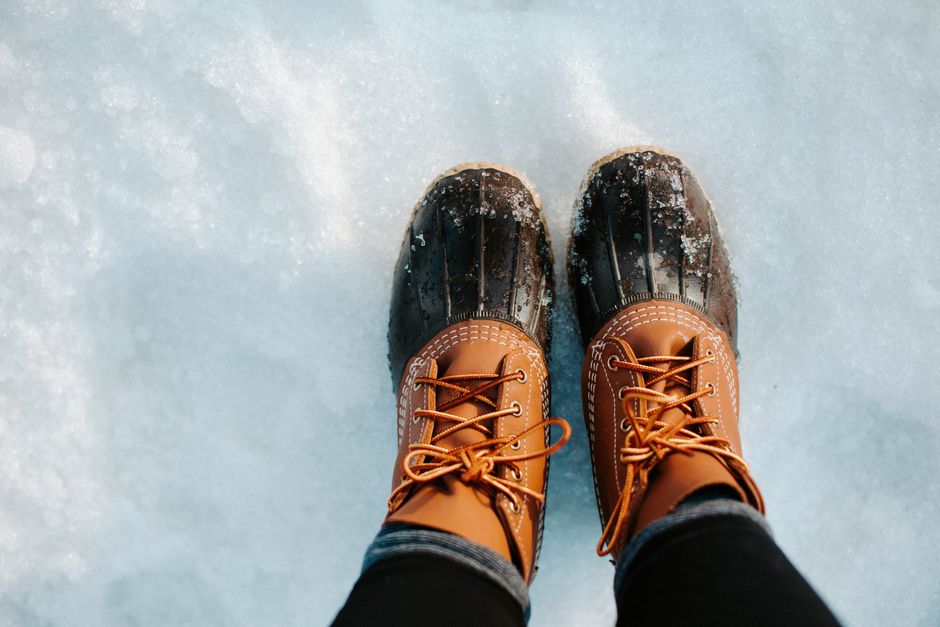
Insulated waterproof winter boots. Snow, ice, and slush are the constant winter surface conditions in Oslo. Boots with serious insulation, waterproofing, and grip rated for icy conditions are the correct footwear. Non-insulated boots in Oslo January are a foot-freezing experience.
Wool hat covering ears. Essential.
Insulated gloves or mittens. Mittens are warmer than gloves and Scandinavians often use them for the coldest days. Full-finger insulated gloves work for most conditions; mittens for the harshest days.
A balaclava or neck gaiter. For the coldest days and any time outdoors for extended periods.
Warm wool socks. Multiple pairs. Cold feet in Oslo winter conditions are not a minor discomfort.
What to Leave Behind
Any coat that does not cover serious cold. The difference between proper cold-weather gear and almost-good-enough gear is significant at -8C. Invest in the right kit.
Cotton anything. Cotton loses its insulating properties when damp and takes a long time to dry. Wool and synthetic materials are the correct fabrics for Oslo winter conditions.
Fashion footwear of any kind. Oslo's winter streets are icy. Any footwear without grip and insulation will fail.
Light packing assumptions. Oslo winter packing is inherently bulky. Accept this and pack accordingly.
Packing it Together
Expedition-grade winter coat, merino wool thermal layers top and bottom, thick mid-layer, insulated waterproof boots, wool hat, insulated gloves, neck gaiter, and wool socks. Oslo in winter is extraordinary for anyone who comes properly prepared: the fjord, the Viking Ship Museum, Munch's The Scream, and the Holmenkollen all deliver in cold and snow.
The ConciseTravel Oslo guide covers the museums, the fjord, the neighbourhoods, and the logistics of getting around one of the world's most expensive cities.