ConciseTravel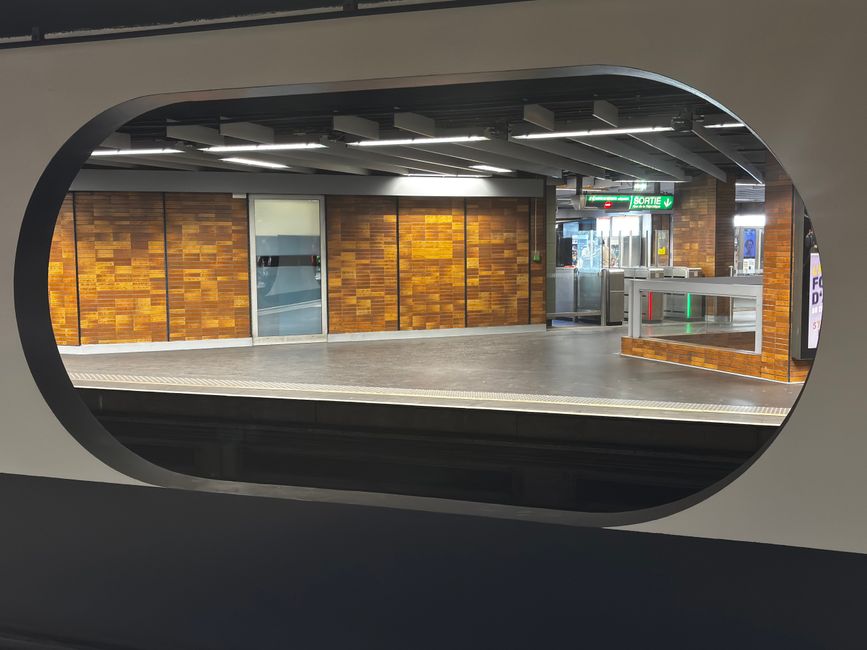
Lyon's public transport system, run by TCL (Transports en Commun Lyonnais), is one of Europe's better-kept secrets. It's reliable, affordable, and it actually works. Unlike some cities where the metro map looks like someone sneezed spaghetti onto a napkin, Lyon's system is logical. Learn it once, and you'll move around the city like you actually live here.
The Metro (Métro de Lyon)
Lyon has four metro lines, colour-coded and named by their end stations. They're fast, clean, and run frequently.
Line A (Red): Runs east-west from Perrache station through the Presqu'île (the business and shopping district) to the Confluence Museum. If you're staying in a central hotel, Line A is your lifeline.
Line B (Blue): Connects the south-west (Jean Macé) to the north (Charpennes), passing through the Presqu'île. It's useful if you're exploring neighborhoods outside the obvious tourist corridor.
Line C (Green): Smaller line, mostly used by locals getting to suburbs. Skip it unless you're venturing outside the centre.
Line D (Purple): Even smaller. You probably won't need it.
What you need to know: Metro trains arrive every 5–7 minutes during the day, every 10–15 minutes in the evening. The system closes around midnight, which is early if you're planning a big night out. Last metro is typically 11:45pm or midnight depending on the line.
Trams
Lyon's tram system is newer and more extensive than the metro. Four tram lines crisscross the city, and they're brilliant for getting to places the metro doesn't reach.
Why trams are underrated: They're aboveground, so you can actually see where you're going. No fumbling with a map in a tunnel. Plus, trams feel less crowded than the metro during peak hours, even though they move just as fast.
Tram T1: Useful if you're exploring the Confluence district or heading to the Auditorium on the riverfront.
Tram T2: Connects the university area to central Lyon. If you're taking a cooking class in the Croix-Rousse or visiting less touristy neighborhoods, this is your friend.
Tram T3: Runs along the Rhône, great for reaching Parc de la Tête d'Or and the Presqu'île from the north.
Tram T4: The newest line, connects Presqu'île to the west side of the city.
Funiculars: Getting Up the Hill Without Dying
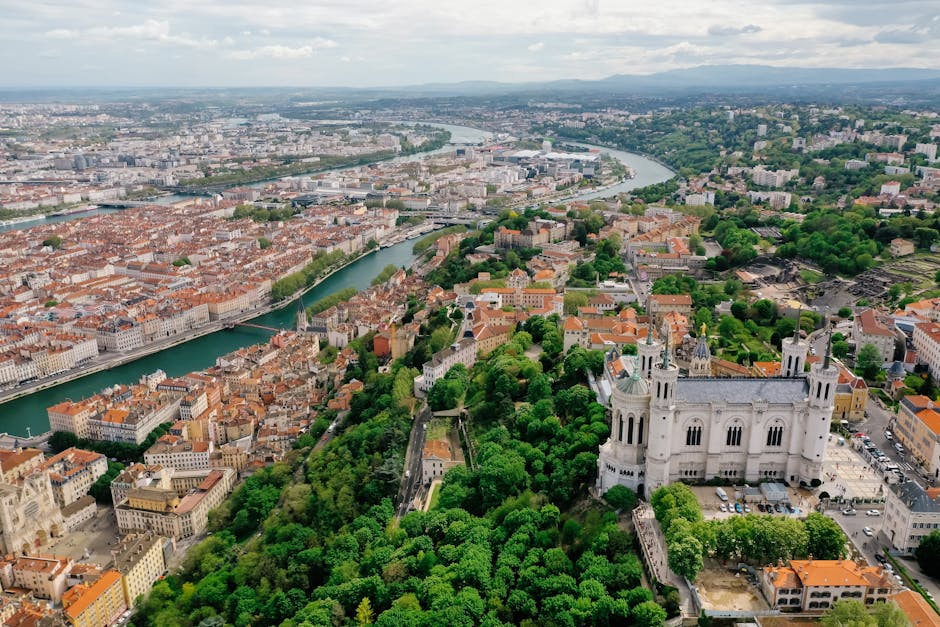
The two funicular railways (Funiculaires) are the unsung heroes of Lyon. They whisk you from Vieux Lyon up to the Basilica and the Théâtres Romains in about 4 minutes. Walking the same route would take 20 sweaty minutes of steep stairs.
Funicular SL (Lower): Takes you from Saint-Jean station (in Vieux Lyon) up to the Saint-Paul plateau.
Funicular SLF (Upper): Continues from there to the top, where the Fourvière Basilica sits like a wedding cake on the skyline.
Practical truth: The funiculars validate your main transport ticket, so if you're on a daily pass, you ride for free. If you're paying per journey, one ticket covers both funiculars and all other TCL transport.
Passes and Payment
Single ticket: €2.20 per journey. Valid for one hour, so you can switch between metro, tram, and bus without paying again.
Carnet (10 tickets): €16.70. Saves you about €5 compared to buying singles. This is sensible if you're staying 3+ days.
Day pass (Jour): €9 for unlimited travel on all metro, tram, and bus lines for 24 hours. Genuinely useful if you're moving around a lot.
Weekend pass: €4.50 per day on weekends only. Brilliant if you're arriving Friday evening.
One-way airport ticket to city centre: €16.40 (Rhônexpress, as covered elsewhere). One normal TCL ticket (€2.20) doesn't cover the airport trip.
How to buy: Ticket machines at every metro station have English-language options. They take cards and coins. Buy a carnet if you're staying more than two days.
Contactless payment: Some European visitors can tap their bank card directly on validators (RFID-enabled cards only). British cards often don't work this way; assume you need to buy a physical ticket.
Practical Tips for Navigating Like a Local
Download the TCL app: It's free, shows real-time arrivals, and helps you plan routes. English-language interface exists, though French is default.
Validate your ticket: Every train, tram, and bus has validators when you board. Stick your ticket in and push. Yes, actually push — it's a physical motion, not a tap-and-go situation.
Standing room during rush hour (7–9am, 5–7pm): The metro and trams get crowded. Not Manila-crowded, but shoulder-to-shoulder. If you're flexible, avoid these times.
Bixi and bike racks: Most trams and some metro stations have bike racks. You can bring a Vélo'v (the city's bike-share system) onto some trams if you need to.
Night buses: After midnight, when the metro and trams stop, a reduced network of night buses (Noctibus) keeps essential routes running. Single tickets cost €2.20 during the day, €4.40 at night.
Regional Travel
If you're planning day trips to nearby towns (Pérouges, Villefranche, Beaujolais wine region), you'll need regional trains or buses, not the city TCL system. Book these separately via SNCF (rail) or FlixBus (coach). The TCL doesn't extend beyond the metro area.
Bottom Line
Spend 15 minutes learning the metro map, buy a carnet or day pass depending on your stay, and you're sorted. The system is reliable, affordable, and genuinely efficient. Unlike some European cities that look modern but run on 1970s scheduling, Lyon's TCL actually does what it promises.