 ConciseTravel
Fourvière Basilica isn't just a religious monument. It's Lyon's architectural statement, visible from almost anywhere in the city, and its interior is a genuinely strange and beautiful mix of Byzantine revival and Romanesque. Here's how to experience it without the crowds and the chaos that often comes with popular monuments.
The Building Itself
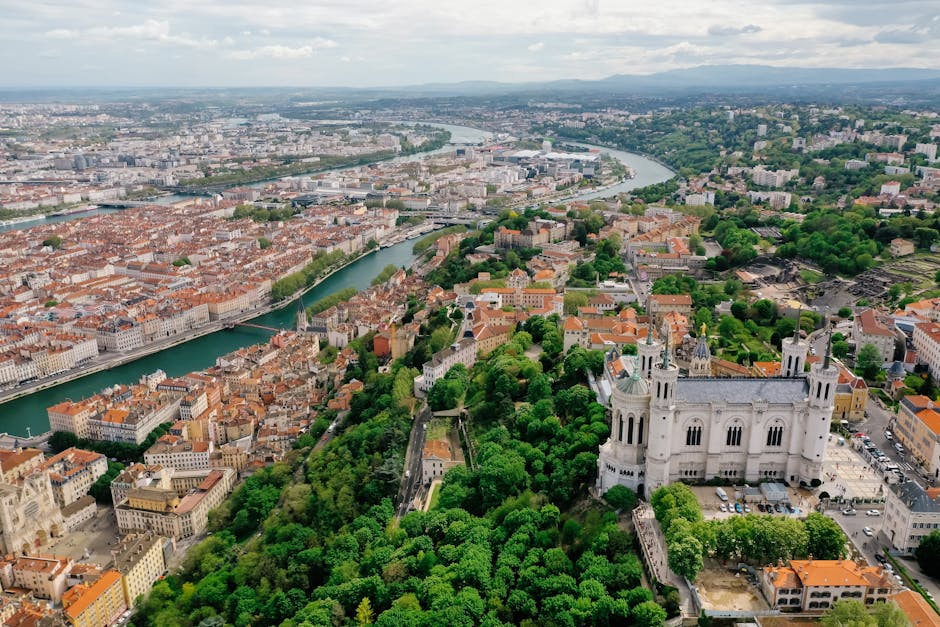
Fourvière is a white basilica perched on the hill above Vieux Lyon. It looks vaguely like a meringue, or a wedding cake, depending on your mood. The exterior is ornate in ways that modern architecture rarely is — mosaics, turrets, decorative stonework that someone must have had genuine conviction about. It was completed in 1884 after decades of fundraising and construction drama.
Visually, it's impossible to ignore. Spiritually? That's personal. But architecturally, it's undeniable.
Opening Hours and Admission
Hours: Daily, 7am–7pm (extended in summer). The basilica is technically always open for worship; visiting is free during these hours.
Crypt and museum access: €7.50 per person. This gives you access to the lower levels, which contain medieval elements and a small museum explaining the basilica's history.
Time needed: 15–20 minutes for a quick walk-through of the main basilica. 45–60 minutes if you're genuinely interested in the architecture, mosaics, and decorative detail.
The Crowd Problem (And How to Avoid It)
Fourvière is legitimately popular. Bus tours stop here multiple times per day. Groups of schoolchildren arrive in organized chaos. Wedding parties book the place and fill it with confetti and champagne bottles.
Worst times to visit:
- 10am–12pm (peak tour group hours)
- 2pm–4pm (afternoon groups)
- Weekends in summer (families, tourists, Italian school groups)
- Any religious holiday (Easter, Christmas, Assumption, All Saints)
Best times:
- Early morning (7–9am): The basilica opens at 7am. Arrive by 7:30am and you'll have it mostly to yourself. The light is soft and eastern. It's genuinely peaceful.
- Late afternoon (5–6:30pm): As groups clear out and locals arrive for evening prayer, the space settles. The light becomes golden. Fewer photographs are taken, which somehow makes it feel more solemn.
- Weekday afternoons in shoulder seasons (May, September): Go on a Tuesday or Wednesday afternoon in spring or autumn. Tourist season hasn't peaked, local school groups are in classes, and you'll have reasonable solitude.
What You'll Actually See
The main basilica: A vast interior with ornate mosaics covering the ceiling, gold leaf everywhere, and an altar that is genuinely theatrical in its construction. The style is Byzantine revival, which means it's heavy on decoration and light and space.
The crypt: Older than the basilica above it, containing medieval elements and a small museum. The museum explains the basilica's history and its spiritual significance to Lyon. It's not revolutionary, but it's educational if you care about context.
Mosaics and decorative elements: The real treasure. Talented artisans covered the ceiling and walls in mosaics depicting religious scenes. The detail is extraordinary — you could spend 30 minutes on one section of the ceiling alone. Bring binoculars if your neck gets tired.
The light: If you visit at dawn or dusk, the light through the stained glass creates an effect that photographs struggle to capture. This alone is worth the early arrival.
Practical Considerations
Dress code: No strict enforcement, but respectful dress is expected. Covered shoulders and knees are ideal. You won't be turned away if you don't comply, but you'll feel slightly uncomfortable. It's France, not Saudi Arabia — normal tourist clothes are fine. Just don't show up in a bikini top.
Photography: Allowed freely in the main basilica. The crypt and museum areas have more restrictions. Don't use flash — it's irritating to others and unnecessary; the basilica's interior light is good.
Accessibility: Getting there requires either the funicular (steep cable railway from Vieux Lyon, 4 minutes) or stairs (lots of them). Once at the top, the basilica itself is accessible. If climbing stairs or funicular travel is difficult, the basilica is worth the effort for the view alone (see "The Platform and Views" section below).
Toilets: Public restrooms are available inside; they're clean and free.
Silence and prayer: The basilica is an active place of worship. If a service is happening, move quietly and respectfully. You're a guest in a spiritual space, not a museum.
The Platform and Views
Here's something tourists often miss: the platform outside the basilica is as impressive as the interior. It's a broad terrace at the top of the hill, overlooking the city, with views all the way to the Alps on clear days.
This is worth the trip alone. You don't need to go inside. Stand on the platform, look out at Lyon arranged below you, spot the Presqu'île, the rivers, the bridges. The view costs nothing and takes 10 minutes.
If you're short on time or energy, skip the interior and spend 20 minutes on the platform with a coffee from a nearby café.
How to Get There
Funicular (easiest): Take the metro to Saint-Jean station (in Vieux Lyon). Exit the station and follow signs to the funiculaire. Two funicular cars run on the same cable; either one takes you up. The lower one (SL) stops at Saint-Paul; the upper one (SLF) continues to Fourvière. Your metro/tram ticket is valid. Cost: included in your daily pass or metro ticket.
Stairs (free, exhausting): There are pedestrian stairways from Vieux Lyon to the basilica. They're long, steep, and involve real elevation change. Unless you're training for a hill race, use the funicular. If you do take the stairs, wear good shoes.
Walking from Croix-Rousse: If you're based on the hill above the basilica, you can walk. It's downhill all the way, which is lovely. Coming back up would be a choice.
Tour Groups and Guides
Skip the official tours unless you have a specific interest in religious history. The basilica's architecture is self-evident, and the atmosphere is better when you move at your own pace. Free audio guides are available, but they're only adequate.
If you want real depth, hire a private guide through Viator or a local tour company. Otherwise, a good art history book read before you arrive will serve you better than a half-hour tour with 20 other people.
The Honest Assessment
Fourvière is genuinely worth visiting. The architecture is strange, beautiful, and historically significant. The light inside is remarkable. The views from the platform are legitimate reasons to climb the hill alone.
But you don't need to spend hours here. Plan 30–45 minutes inside (or less if the interior doesn't move you) and 20 minutes on the platform. Factor in 20 minutes for funicular/walking time, and you're looking at a 90-minute experience total. It's worth a morning or late afternoon of your Lyon trip.
The key is timing. Arrive early or late, catch the light when it's working with you, and you'll have a quiet moment in a beautiful space. That's the point.