ConciseTravel
Lyon hosts several significant festivals annually. The two major ones are the Fête des Lumières (Festival of Lights) in December and the Nuits de Fourvière (Fourvière Nights) in summer. These aren't minor local events — they attract hundreds of thousands of visitors and transform the city.
Fête des Lumières (Festival of Lights)
When: December 8–11 (approximately; dates vary slightly yearly).
What it is: For four nights, artists project lights onto buildings throughout the city. Residents and visitors gather in streets to watch illuminations. It's part light show, part street party, part celebration.
History: The tradition dates back to the 19th century, when it was a religious procession in honour of the Virgin Mary. It evolved into the contemporary light festival in the 1980s.
What you actually see:
- Buildings across the city (Fourvière Basilica, museums, bridges, government buildings) are illuminated with projection art.
- The illuminations change nightly, so different buildings get different treatments each evening.
- Artists project increasingly elaborate and creative content — geometric patterns, animations, 3D effects.
How busy is it? Extremely. Hundreds of thousands of people fill the streets. Hotels are booked out months in advance. Getting anywhere requires patience.
Best approach: Don't try to be a tourist. Avoid major intersections and famous buildings (where crowds are densest). Explore side streets and less obvious buildings. You'll see excellent illuminations with fewer people.
What to bring: Warm clothes (it's December in France — cold), a good camera, and patience.
Where to watch:
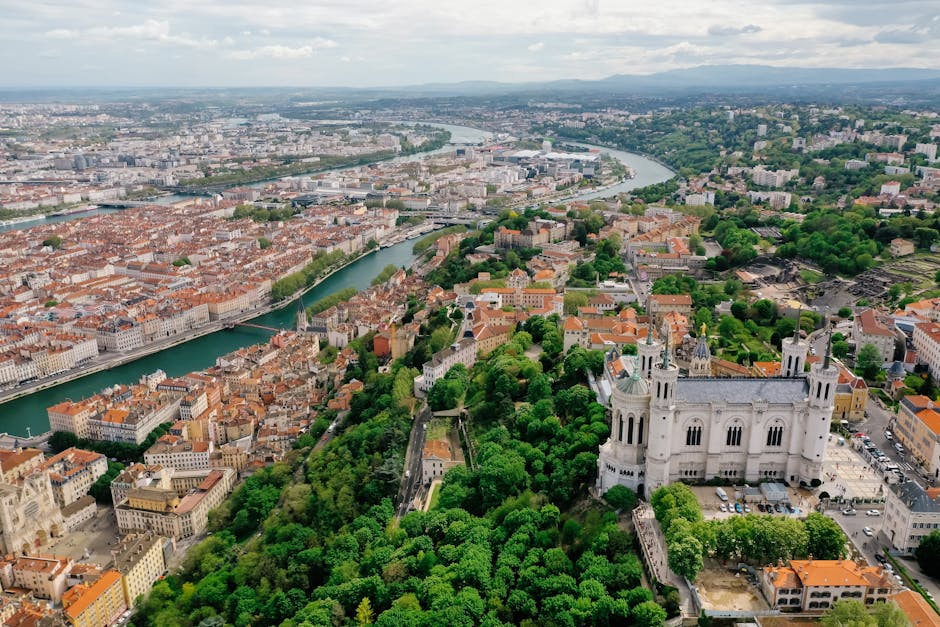
- Fourvière Basilica area: Most crowded.
- Presqu'île streets: Very crowded.
- Vieux Lyon: Crowded but more navigable than Presqu'île.
- Croix-Rousse: Less crowded, still good illuminations.
- East bank (Guillotière, Jean Macé): Uncrowded, fewer illuminations, but genuine local experience.
What not to do: Don't plan to see "all the lights" in one evening. Don't expect to easily navigate major streets. Don't assume you'll get close to famous buildings.
Is it worth the chaos? If you're interested in light art and you have flexibility with crowds, yes. If you're not specifically interested in projections, you can skip it.
Budget impact: Hotel prices 3x normal. Food prices increase. Everything is more expensive and more crowded.
Nuits de Fourvière (Fourvière Nights)
When: June–September (approximately; extends sometimes into autumn).
What it is: A performing arts festival using Lyon's Roman theatres and other historic venues for performances. Theater, music, dance, comedy — the lineup changes yearly.
What you actually do: Book tickets for performances you want to see, attend them at historic venues, enjoy culture in atmospheric settings.
Venues:
- Roman theatres: The primary venue, performances under stars.
- Fourvière Basilica: Some performances happen in the basilica itself.
- Other historic spaces: Various churches, courtyards, galleries host additional performances.
What to expect: Professional productions, generally high quality, often sold out for popular shows.
Duration: Performances vary, but most are 90 minutes to 2+ hours.
Ticket prices: €15–60+ depending on the production. Many shows are reasonably priced (€20–35).
How to book: Nuits de Fourvière has an official website (nuitsfourviere.com). Book online or at the venue box office. Popular shows sell out.
What to bring: Warm layer (even summer evenings are cool), blanket for outdoor seating if you want to be comfortable, cash or card for drinks before/after.
Best approach: Pick 1–2 shows that genuinely interest you. Don't try to see everything. Sitting under stars watching theater in a 2,000-year-old Roman theatre is memorable — worth planning for.
Budget: €20–50 per show plus maybe €10 for drinks/snacks. Less expensive than major festivals in other cities.
Other Notable Events
Bocuse d'Or (International Cooking Competition): January. Held at a specific venue, competitive culinary event. If you're seriously interested in food culture, worth attending. Otherwise, skip it.
Biennale de la Danse (Dance Biennial): Even-numbered years (2024, 2026, etc.), September–October. Contemporary dance performances across the city.
Festival de Film Britannia (British Film Festival): May. Shows British films in original language with French subtitles. Niche but worth knowing about if you want English-language cinema.
Practical Festival Considerations
Hotel availability: For major festivals (Fête des Lumières especially), book accommodations months in advance. Prices triple, availability is limited.
Transport: Public transport gets crowded during festivals. Walk when possible. TCL metro might run extended evening hours.
Food: Restaurants are booked out, food vendors dominate streets, prices increase. Bring snacks or eat at off-peak hours.
Atmosphere: Festivals are fun but stressful if you dislike crowds. Locals often avoid Fête des Lumières because of the chaos.
Should You Plan Your Trip Around a Festival?
Go for Fête des Lumières if: You're interested in light art, you don't mind crowds, you have flexible accommodation plans, and December works for your schedule.
Go for Nuits de Fourvière if: You're interested in theater/music/dance, you want to attend specific performances, and summer dates work for you.
Skip festivals if: You prefer uncrowded city experiences, budget is tight (festival prices are high), or you want to see Lyon's actual functioning neighbourhoods rather than packed tourist zones.
The Honest Assessment
Festivals are excellent for people who care about the specific art form. Fête des Lumières is visually stunning but chaotic. Nuits de Fourvière is genuinely good theater in remarkable settings.
But if you're just visiting Lyon, you don't need to time your trip around festivals. Lyon's core attractions (Vieux Lyon, Parc de la Tête d'Or, Fourvière) are excellent year-round, uncrowded, and accessible. Festivals are bonuses for people interested in specific art forms, not requirements for a good Lyon visit.
Best Times to Visit (Non-Festival)
April–May (Spring): Warm, pleasant weather, moderate crowds, spring blooms. Excellent.
September–October (Autumn): Clear light, pleasant temperature, fewer tourists. Arguably the best season.
November: Cool but not cold, very few tourists, everything is open. Underrated.
December–February (Winter): Cold, fewer tourists (except Fête des Lumières), quiet. Good if you like winter cities.
Avoid: July–August (hot, crowded, many locals on holiday making restaurants less genuine).