 ConciseTravel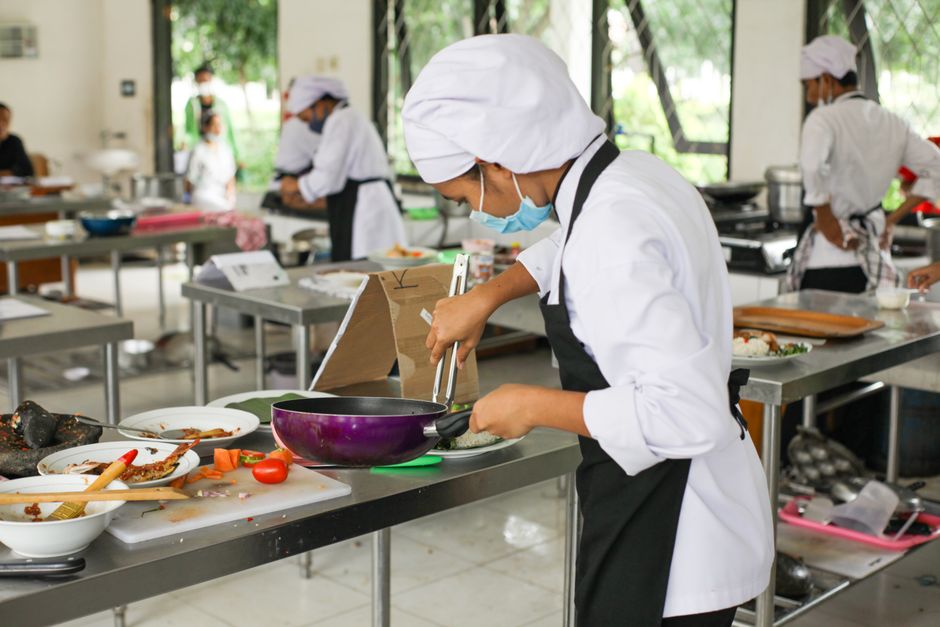
Lyon is one of the few French cities where cooking classes make genuine sense. The cuisine is rooted in technique and history. Learning to make Lyonnaise food in Lyon, from someone who knows it, is educationally sound and genuinely fun.
What Lyonnaise Cooking Classes Teach
Salade Lyonnaise: How to make the vinaigrette (warm vinaigrette is key), timing the egg, assembling without wilting the lettuce.
Saucisson chaud: Choosing and cooking sausages properly. Temperature control. Serving with correct accompaniments.
Quenelles: The most technical. How to make the batter, poach correctly (temperature, time), sauce preparation. This is genuinely challenging.
Andouillettes: Understanding offal preparation, cooking, and serving without making people squirm.
Sauces: Béchamel, butter sauces, reductions. Lyonnaise food relies on sauce technique.
Stocks: Base knowledge for proper flavor building.
Classes typically focus on 2–4 dishes in a 3–4 hour session, with eating/tasting at the end.
Types of Classes
Market-to-table classes: You visit Les Halles or a local market with an instructor, select ingredients, then cook with them. Cost: €80–150. Time: 4–5 hours. Advantage: you learn sourcing context. Disadvantage: less structured, depends on market availability.
Studio classes: In a cooking school kitchen, you prepare ingredients beforehand, focus purely on technique. Cost: €60–120. Time: 3–4 hours. Advantage: structured, focuses on technique. Disadvantage: less market connection.
Chef's kitchen classes: Learning in a professional restaurant kitchen (usually closed to public) with a chef. Cost: €120–200+. Time: 3–4 hours. Advantage: professional environment, expert instruction. Disadvantage: most expensive, sometimes overwhelming.
Group classes: 6–15 people, shared instruction. Cost: €50–100 per person. Advantage: cheaper, social, less intimidating. Disadvantage: less individual attention.
Private classes: 1–2 people, personalized instruction. Cost: €150–250+. Advantage: customized focus. Disadvantage: expensive, less social.
Finding Classes
Hotel concierge: Your hotel can usually recommend classes or book them.
Viator/GetYourGuide: Both platforms list cooking classes. Reviews are usually honest. Cost is sometimes marked up from direct booking.
Google search "Lyon cooking classes": Various schools offer them. Check reviews and curriculum.
Direct contact: Some individual chefs offer small private classes. Harder to find but sometimes more authentic.
How to Choose
Your cooking skill level: Beginners and advanced both can find appropriate classes. Be honest about skill. If you're learning basic knife skills, don't take an advanced class.
Time availability: Half-day (3–4 hours) is standard. Full-day classes (6–8 hours) exist but are exhausting.
Budget: €50–100 is reasonable. Above €150 is luxury/premium.
Language: Most classes are in French or English (or both). Confirm before booking if you're not French-speaking.
Group vs. private: First time, group is fine. If you want personalized attention, private is worth the cost.
The Real Experience
Morning arrival (typically 9–10am): You arrive at the studio. Other participants arrive. There's a vague awkward moment where strangers meet.
Instructor intro (15 minutes): The chef explains what you're making, the plan, and any safety stuff.
Ingredient discussion (10 minutes): Chef discusses sourcing, seasonal availability, why certain ingredients matter.
Cooking (90–120 minutes): You actually cook. The chef demonstrates, then you replicate. They watch, correct, suggest. This is genuinely educational. You notice techniques you didn't know mattered.
Tasting and cleanup (30–60 minutes): You eat what you made. You discuss it. You clean up.
Chatting (ongoing): If it's a good class and a good group, you'll talk to other participants. This is the best part for many.
Reality: The food you make tastes good because you made it. Objectively, a chef-made version would be better. But your version works, you understand the process, and that's the point.
Honest Assessment of What You'll Learn
You won't become a chef. You'll understand technique that will genuinely improve your cooking at home. You'll understand why Lyonnaise food tastes like it does. You'll have a shared experience with other tourists that's more meaningful than a tour group.
If you're a food enthusiast: This is worth doing. You'll learn things that apply beyond Lyon.
If you're a casual cook: This is worthwhile. You'll enjoy it and improve.
If you're not interested in cooking: Skip it. There's no obligation, and you'll be miserable surrounded by enthusiasts.
The Cost Reality
Cooking classes are expensive for what they are. €80–100 for 3–4 hours is €20–25/hour. You could eat an amazing meal for similar cost. But the experience is fundamentally different. You're learning something that persists past the trip.
Combining Classes with Other Activities
Market + Class: Some classes include market visits. You could do: market visit (1 hour) + class (3 hours) + meal (1 hour) = full morning/afternoon.
Multiple classes (if staying 4+ days): You could do different classes on different days. One focused on sauces, another on offal, another on desserts.
Class + bouchon dinner: Take a morning class, spend the afternoon in Vieux Lyon, eat at a bouchon evening. Full day around food.
Advance Booking
Most classes require booking 3–7 days ahead. Some can accommodate last-minute (if spots available). Book through your hotel or directly with the provider.
The Honest Take
A cooking class in Lyon is genuinely worth considering if:
- You have 3+ days
- You care about food
- You want a structured, social experience
- You're willing to spend €80–120
It's not worth doing if:
- You're rushed (time is limited)
- You're not interested in cooking
- Budget is very tight
- You prefer independent exploration
For the right person, a Lyon cooking class is one of the best activities available. For everyone else, it's optional but solid if you want to try something different.