ConciseTravel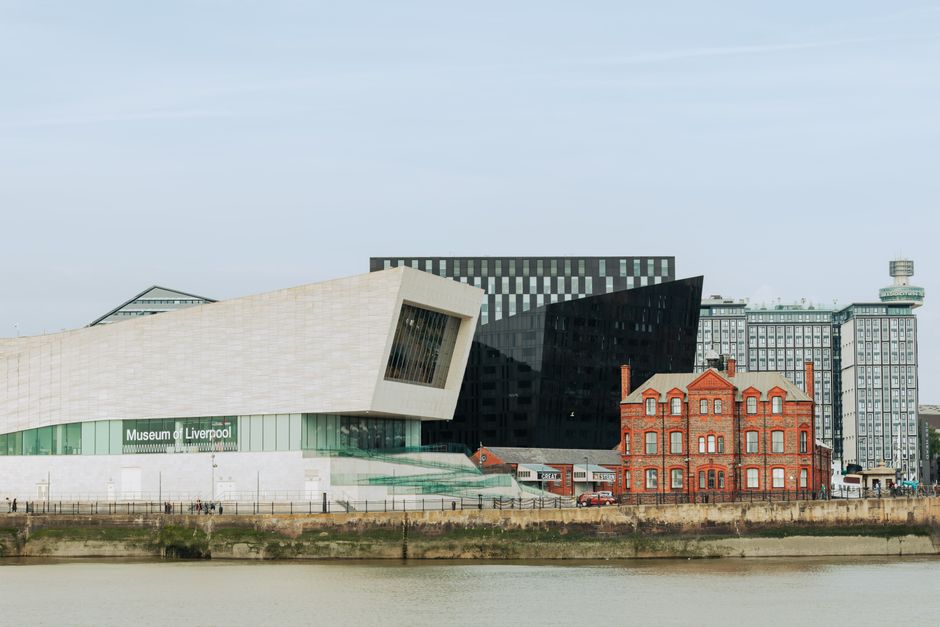
The Underrated Fact About Liverpool's Museums
Liverpool has more free museums and galleries than any UK city outside London. That sentence is not marketing copy. It is a genuine anomaly that changes the calculus of a visit, particularly for travellers on a budget or anyone who wants to spend substantial time in the city without the admission costs accumulating.
The reason is that the main institutions are part of National Museums Liverpool, a publicly funded group that operates seven museums and galleries, all with free admission. You can walk in, spend three hours in one museum, walk out, and it has cost you nothing.
Here is what each of the main institutions has and how to prioritise.
Museum of Liverpool (Pier Head)
Best for: Understanding the city before seeing the rest of it
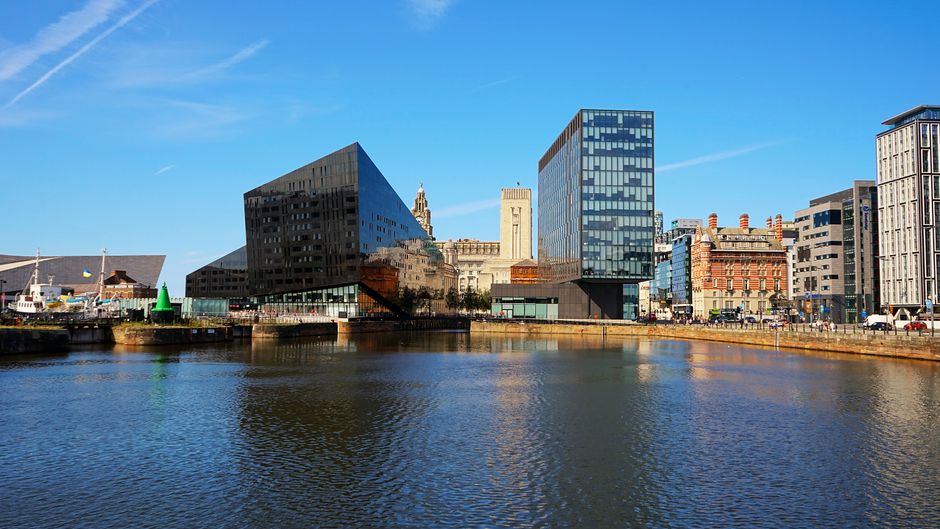
The Museum of Liverpool, in the striking contemporary building at Pier Head, is the most comprehensive introduction to the city available. It covers everything from prehistoric Merseyside through the slave trade, the docks era, the emergence of Merseybeat, the rise of football culture, and the present day.
Two hours here before doing anything else in Liverpool genuinely transforms the rest of your visit. You start to read the architecture differently. The Cavern Club means something more specific. The International Slavery Museum hits harder.
The museum is highly interactive and works well for families as well as solo visitors. The Great Hall contains a massive replica of a Cammell Laird-built ship propeller and the rotating clock that plays You'll Never Walk Alone on the hour: a small thing that has been known to stop people in their tracks.
When to go: Weekday mornings. Saturday afternoons bring school groups and families in volume.
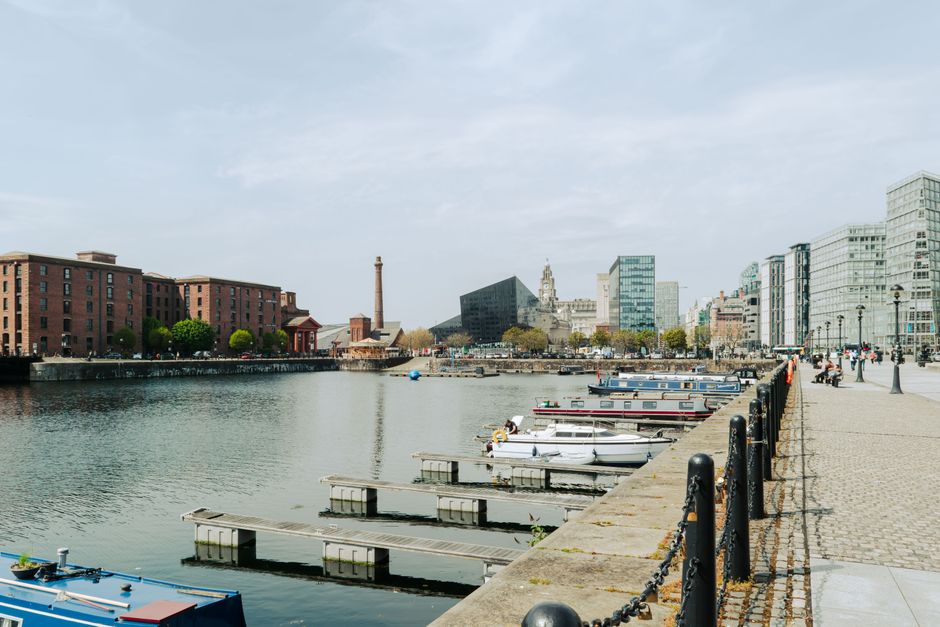
Merseyside Maritime Museum and International Slavery Museum (Albert Dock)
Best for: History with depth and moral weight
These two museums occupy the same building at Albert Dock and effectively function as one extended experience.
The Merseyside Maritime Museum covers the port's history: shipbuilding, emigration, transatlantic trade, naval warfare. The exhibits on the Titanic (whose White Star Line parent company was registered in Liverpool) are thorough and include genuine artefacts.
The International Slavery Museum on the third floor directly confronts Liverpool's role in the transatlantic slave trade. Liverpool was one of the principal ports in this trade for over a century. The museum neither softens this nor frames it defensively. It is one of the more important museum spaces in the north of England and should not be shortened in the interests of ticking it off the list.
When to go: Mornings. Check opening days in advance as some days can have reduced access to specific galleries.
World Museum (William Brown Street)
Best for: Families and people who like their museums eclectic
The World Museum on William Brown Street is one of those institutions that covers everything: natural history (dinosaurs, taxidermy, insect collections), Egyptology (genuine mummies and sarcophagi), an aquarium in the basement, a planetarium (free shows from the central desk, worth booking as you arrive), and galleries on space, bugs, and human cultures.
It is less coherent than the Museum of Liverpool but more surprising. You turn a corner and find a mummified crocodile.The planetarium shows are brief but excellent and genuinely popular, so collect a ticket from the front desk as early in your visit as possible.
When to go: Weekday mornings or late afternoon. School groups make it very busy at midday during term time.
Walker Art Gallery (William Brown Street)
Best for: Classical and pre-Raphaelite painting
The Walker is often described as the National Gallery of the North, and the collection supports that comparison. It runs from medieval devotional painting through Tudor portraits, Dutch masters, and a strong pre-Raphaelite section (Rossetti, Millais), into twentieth-century British work.
Even if art galleries are not your primary interest, the building is beautiful and the galleries are rarely crowded. The pre-Raphaelite rooms in particular are worth seeking out.
Outside, look for the Superlambanana: a large yellow sculpture that is exactly what the name suggests, a hybrid of a lamb and a banana. It is a Liverpool icon and an excellent introduction to the city's relationship with the absurd.
When to go: Any time. It is one of the quieter institutions in the city.
Tate Liverpool (Albert Dock)
Best for: Modern and contemporary art
The Tate's northern outpost occupies a converted warehouse at Albert Dock. The permanent collection of modern British and international art is free. Major temporary exhibitions typically charge an entry fee.
The permanent collection rotates and can range from abstract expressionism to conceptual installation work. Quality and interest depend on what is currently hung, but the building and the context of being in the Albert Dock give it a particular character.
When to go: Any time. Check what temporary exhibition is on before visiting to decide if the additional ticket is worth it.
How to Fit Museums Into Your Visit
If you only have one day for museums: Museum of Liverpool in the morning, Maritime and Slavery Museum in the afternoon. That combination covers the most important ground.
If you have two days: Add the World Museum and Walker Art Gallery together (they are next door to each other on William Brown Street, a short walk from Lime Street station).
For dedicated museum visitors: all five institutions in two and a half days is achievable. The Tate, Walker, and World Museum can be covered in a single day with early starts and a brisk pace.
The ConciseTravel Liverpool guide has a recommended museum sequence for different lengths of visit, including notes on what to prioritise within each institution.