 ConciseTravel
Three days in Rome is a solid first visit to a city that has been absorbing visitors for three thousand years. The historic centre is dense with significant sites and three days doesn't come close to covering all of it, but it covers the unmissable, gives you two or three neighbourhoods, and leaves you with a real understanding of why Rome is considered one of the world's great cities.
What You Can Cover in 3 Days
Three days in Rome is enough for the core sights with deliberate planning:
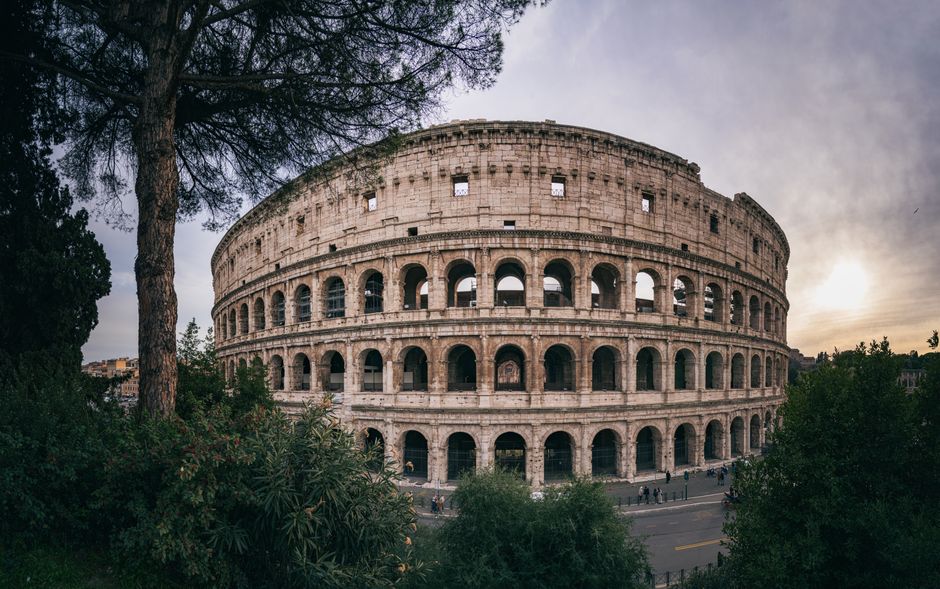
- The Colosseum, Forum, and Palatine Hill. The combined ticket covers all three sites. Allow a full morning. The Forum and Palatine Hill together are as significant as the Colosseum and tend to get less attention. Go before 9am and book skip-the-line tickets well in advance.
- Vatican Museums, Sistine Chapel, and St Peter's Basilica. A full morning for the museums and chapel; the basilica is immediately adjacent and can follow. Book the Vatican Museums in advance and go on the first available morning entry. The Sistine Chapel at 8am is a different experience from the Sistine Chapel at 2pm.
- The Pantheon and the historic centre. The Pantheon, Piazza Navona, Campo de' Fiori, and the surrounding streets make for a good afternoon circuit. The Pantheon now requires advance booking.
- Trastevere. The neighbourhood across the Tiber from the historic centre has a different, slightly more local atmosphere. Good for an evening: dinner, a walk through the medieval streets, and a bar on a small piazza.
- The Borghese Gallery. One of the world's greatest collections of sculpture, including Bernini's masterworks. Strictly timed two-hour slots, booked months in advance. If you can get a ticket, make it a priority.
What You'll Miss
- The full neighbourhood circuit. Prati, Testaccio, Pigneto, and EUR are all parts of Rome that rarely appear on a three-day itinerary and each has something to offer.
- A slower pace. Rome is a city that benefits from sitting in a piazza with a coffee for an hour. Three days on a full sightseeing schedule leaves little room for that, and that unscheduled time is where Rome often gets under your skin.
How to Make the Most of It
- Book everything before you leave home. The Colosseum, Vatican Museums, Borghese Gallery, and the Pantheon all require advance tickets. Arriving without them means queues, sold-out slots, or missed sights.
- Allocate one major archaeological site per day. The Colosseum complex and the Vatican are both full-day experiences. Don't try to combine them.
- Eat away from the main sites. The restaurants immediately around the Colosseum and in front of the Pantheon are tourist-priced and mediocre. Ten minutes' walk makes a significant difference.
- Walk between things wherever possible. Rome's historic centre is compact and the streets are the experience. A taxi between the Colosseum and Trastevere takes you past things worth seeing at ground level.
The Honest Verdict
Three days in Rome covers the city's most significant ancient and Renaissance sites. It's a visit that makes a real impression and leaves a long list of things for next time, which in Rome's case is likely to include most of the city. That's not a failure; that's Rome.
Our Rome guide covers the booking sequence, the neighbourhood breakdown, and the day-by-day itinerary planning: Rome city break guide.
Master rome in Minutes
Don't waste hours planning. Get our condensed, digital cheat sheet with everything you actually need.
Shop Guide on Etsy →