ConciseTravel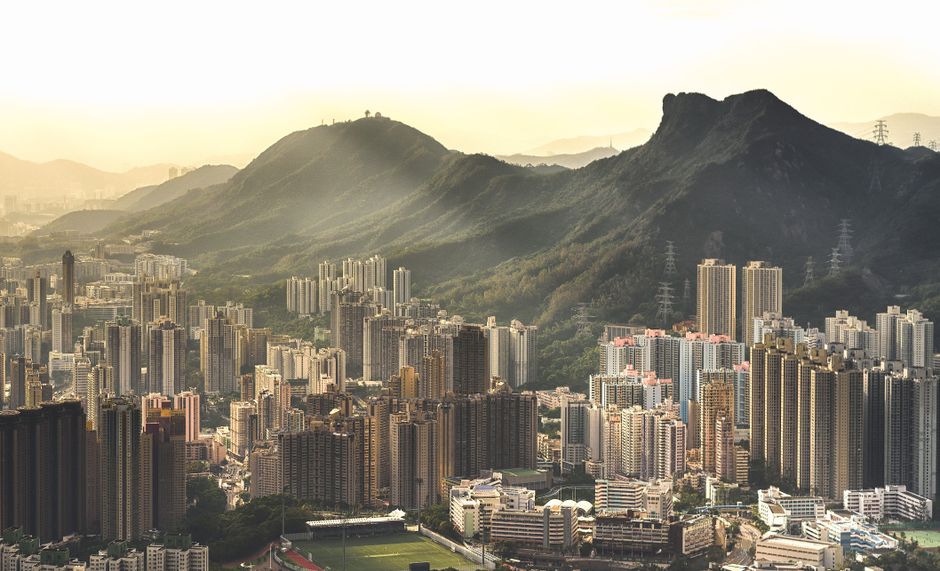
Good News First
Hong Kong is one of the safest large cities in the world. Violent crime is rare, the streets are well-lit and populated at almost any hour, and the transport system is clean, efficient, and entirely manageable. Most visitors leave without encountering any situation more stressful than a long queue at the Peak Tram.
That said, there are specific things worth knowing before you arrive - particularly around the weather, health, and the practicalities of getting around without unnecessary friction.
Crime and Personal Safety
Petty theft can occur in crowded areas - the Ladies Market, the MTR during rush hour, any dense street market. Keep bags closed and in front of you. Use a hotel safe for passports and valuables you are not carrying.
In tourist-heavy areas like Tsim Sha Tsui's Nathan Road, you may be approached by touts offering tailored suits, fake watches, or currency exchange. A firm decline and continued walking ends these interactions immediately.
In nightlife areas, the standard advice applies: do not leave drinks unattended, look after people you are out with. Hong Kong bars are generally fine but no city is entirely without the possibility of drink spiking in crowded clubs.
Emergency number: 999 (police, fire, ambulance). The operators speak English. 112 also works from a mobile. Response times are fast.
Hong Kong Tourism Board hotline: +852 2508 1234. Multilingual assistance for visitors.
Health and Medical Care
Hong Kong's medical facilities are excellent. Doctors are well-trained, hospitals are well-equipped, and you are in good hands if something goes wrong.
Public hospitals: Emergency departments at hospitals like Queen Mary (Hong Kong Island) or Queen Elizabeth (Kowloon) are open 24/7. Non-resident emergency fees are higher than for locals but still reasonable compared to private care in many countries. Wait times depend on urgency - serious cases are prioritised.
Private clinics: General practitioner clinics in Central, TST, and other areas allow walk-in consultations. A visit typically costs HK$300 to HK$800 and includes any prescribed medication dispensed on the spot. This is the faster and more convenient option for anything that is not an emergency.
Pharmacies: Watsons and Mannings branches are on virtually every shopping street. They stock common medications and have staff who can advise on minor issues. Paracetamol is sold as Panadol here; ask the pharmacist if you need something specific.
Travel insurance: Recommended. Hospitalisation costs for non-residents add up, and insurance also covers flight cancellations and lost belongings. Standard travel insurance is sufficient.
The Weather: What to Actually Prepare For
Summer heat: June through September, temperatures of 30 degrees or higher are normal, with humidity that makes physical exertion significantly more tiring. Drink water constantly. 7-Eleven stores are everywhere and stock Pocari Sweat (an electrolyte drink that is more useful in this heat than it sounds).
UV: The UV index is high year-round. Apply sunscreen before going outside, including on cloudy days. A hat is not optional for long outdoor days.
Typhoons: The typhoon season runs from May to October, with the highest risk in August and September. Hong Kong uses a signal system:
- Signal 1: Be aware
- Signal 3: Rough conditions developing
- Signal 8: The city shuts down. Businesses close, public transport stops or reduces, schools cancel. Stay in your accommodation. This is organised and well-managed - the main inconvenience is the forced halt to plans.
- Signal 10: The most severe category, rarely issued.
Typhoon warnings are announced across all media and via government alerts on mobile phones. You will know about it. If a Signal 8 is in effect when you are supposed to fly, your flight will be affected - monitor the situation and keep your airline's contact details to hand.
Black Rainstorm Warning: Separate from typhoon signals. Issued when extremely heavy rainfall causes flooding. The advice is the same: find shelter and wait. These typically pass in a few hours.
Tap Water
Officially safe to drink, as the treatment system is reliable. However, older building plumbing means many locals boil or filter water as a habit. Brushing teeth with tap water is fine. For drinking, either boil using your hotel kettle or buy bottled water. A 1.5-litre bottle costs around HK$10 at any convenience store.
Staying Connected
A local SIM card is worth getting. The airport arrivals hall has kiosks from providers like CSL and Smartone selling tourist data SIMs: around HK$100 for five days of unlimited data. If your phone is unlocked, plug it in immediately.
eSIM options are available through apps like Airalo if you prefer to arrange connectivity before you leave home.
Hong Kong does not restrict internet access - Google, WhatsApp, Instagram, and all major Western platforms work normally. This changes if you cross into mainland China, where a VPN would be needed.
Air Quality
Most days the air quality is fine for normal activity. During periods of stagnant air in winter or when pollution blows across from the Pearl River Delta region, the AQI can rise. The Hong Kong Observatory publishes real-time air quality data. If you have asthma or respiratory sensitivities, check before a long outdoor day.
Wildlife: What You Might Actually Encounter
Wild monkeys live in Kam Shan Country Park and along the Lion Rock ridge. Do not feed them (it is illegal and they become aggressive around food). If they approach you and you have plastic bags (which they associate with food), they may try to take them. Keep bags closed.
Wild boars have become more common in suburban and park areas. They are not aggressive if left alone. Give them space and they move on.
Snakes exist in the country parks, including some venomous species. Stick to established trails, avoid walking through long grass in warmer months, and in the unlikely event of a sighting, back away calmly. Hong Kong has a specialised snake-catching service run under the police for urban incidents.
Mosquitoes are the most likely wildlife inconvenience. Repellent with DEET is recommended for hikes and rural areas in summer.