 ConciseTravel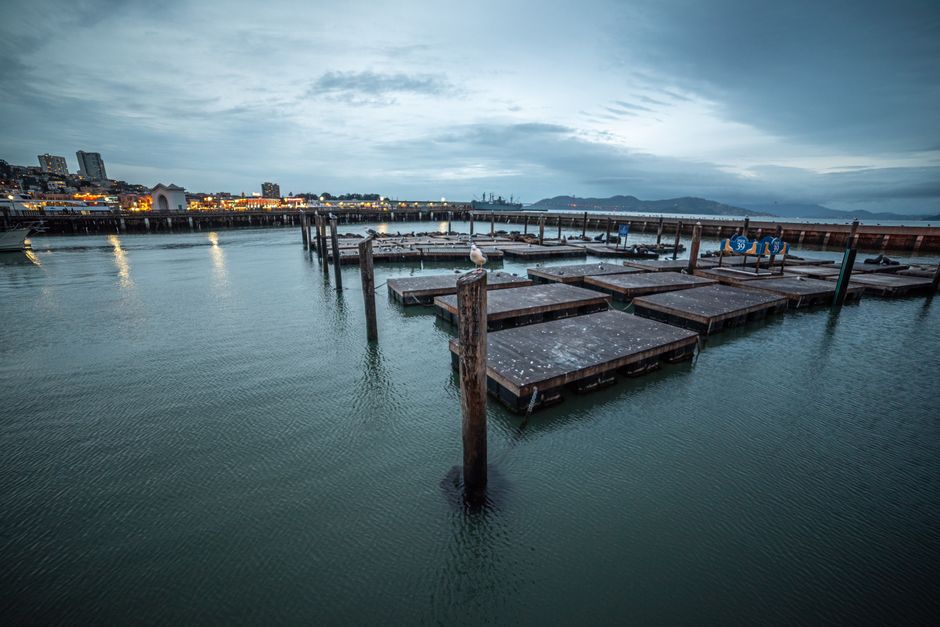
San Francisco is a city of highly distinct neighbourhoods — different in culture, income, architecture, food, and atmosphere. Where you stay shapes the version of the city you experience. The main areas for visitors each make sense for different reasons.
Union Square: Central and Convenient
Union Square is the commercial and hotel centre of San Francisco — the densest concentration of hotels, department stores, and mid-range restaurants. Staying here puts you within walking distance of the Powell Street cable car terminal, the BART station, and easy access to most of the city by transit.
The neighbourhood itself is not the most interesting in San Francisco. It's functional, heavily retail-oriented, and the streets around the square have the same character as the central shopping district of most large American cities. But for a short visit focused on hitting the major sights efficiently, the transit access makes it a reasonable base.
The Tenderloin district borders Union Square to the west and north — a neighbourhood with a significant homeless population and drug use that can be uncomfortable to walk through late at night. The proximity is worth knowing.
Fisherman's Wharf: Tourist-Convenient
Fisherman's Wharf and the North Waterfront area are where many first-time visitors stay — close to Pier 39, the Alcatraz ferry, and the cable car lines. The trade-off is that the neighbourhood is heavily commercialised around the tourist economy: chain restaurants, souvenir shops, and visitor-oriented attractions at inflated prices.
Good for: families, cruise passengers, visitors who want proximity to the waterfront sights without navigating the rest of the city.
The Mission: San Francisco's Food and Life District
The Mission District is the most vibrant neighbourhood in San Francisco for restaurants, bars, and street life. The Latino cultural heritage of the neighbourhood remains visible in the murals, taquerias, and the street market on 24th Street, alongside a layer of gentrification that has brought wine bars, bakeries, and cocktail venues.
BART access at 16th Street Mission and 24th Street Mission stations. Walkable to Dolores Park (the city's social heart on sunny weekends). The best burritos in California are here.
Best for: food-focused visitors, people on a second or third San Francisco trip, anyone who wants to be where people actually live rather than where tourists are managed.
The Castro: Character and History
The Castro is San Francisco's historic LGBTQ+ neighbourhood — one of the most significant in the world, the base for Harvey Milk's political activism in the 1970s, and still the social and cultural centre for the community in the Bay Area. Rainbow flags line the streets; the Castro Theatre (a 1922 movie palace) still operates; bars and restaurants line Castro Street.
Best for: visitors interested in LGBTQ+ history, people who want neighbourhood character over central convenience, those who will appreciate being in one of the most historically significant districts in American social history.
Nob Hill and Russian Hill: Quieter and Residential
Both are hilltop residential neighbourhoods with good hotels, quieter streets, and proximity to the cable car lines. Nob Hill has a concentration of grand hotels (Fairmont, InterContinental) at the top of the Powell Street cable car route. Russian Hill is more residential. Both are a short ride or walk from the main sights.
Our Take
Mission District for a longer stay or anyone who eats seriously. Union Square for a first visit that needs to cover maximum ground efficiently. The Castro for the neighbourhood experience. Fisherman's Wharf only if proximity to the ferry terminal is the priority.


