 ConciseTravel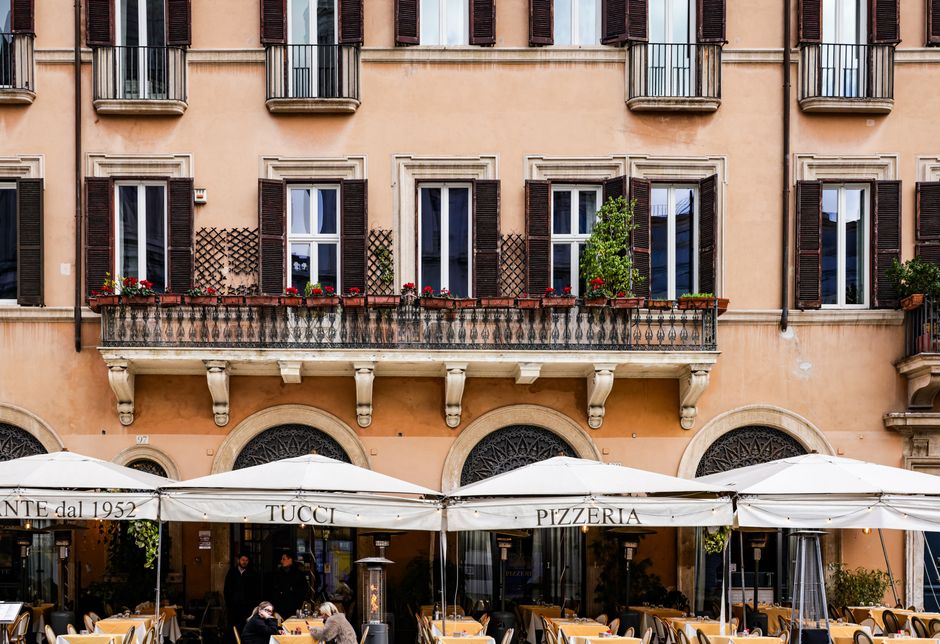
Outdoor dining exists everywhere in Europe. What separates the great cities from the adequate ones is whether eating outside feels like a cultural event or just a table on a pavement. The cities below have cracked the formula: good food, the right architecture around you, and a local culture that actually uses its outdoor spaces rather than tolerating them.
The Cities
Rome
Rome invented the concept of eating as theatre, and the setting is unbeatable. Piazzas that have been gathering points for two thousand years, golden evening light that makes every glass of wine look cinematic, and a culture that treats the passeggiata and the long outdoor dinner as non-negotiable. The Trastevere neighbourhood is the classic, but the streets around Campo de' Fiori and the tables spilling out of trattorias in Testaccio hit the same note without the tourist premium. Roman summers are hot, but Romans eat late for a reason: after nine in the evening, the temperature drops and the city comes alive.
Best for: anyone who wants their dinner to feel like a scene from a film they love.
Lisbon
Lisbon's miradouros (hilltop viewpoints) give outdoor dining an elevation and a view that most cities cannot match. The city's café culture extends well into the evening, the food is excellent and affordable relative to Western European standards, and the neighbourhoods of Alfama, Mouraria, and Príncipe Real all have outdoor tables where the setting does significant work. The Atlantic light is softer than Mediterranean light, which makes Lisbon evenings particularly good for lingering. The local habit of eating later than northern Europeans means outdoor dining continues well past midnight without feeling rushed.
Best for: travelers who want good wine, great views, and a city that does not close at ten.
Seville
Seville has a serious claim to the best outdoor dining culture in Spain, which is saying something. The city's tapas tradition is built around bar-hopping on foot through the old quarter, moving between outdoor tables in narrow streets that stay cool until well after dark. The neighbourhoods of Triana and El Arenal both have outdoor terraces that face the river. Summer temperatures are fierce, so the city runs on an evening schedule: outdoor tables fill up between nine and midnight when the temperature is actually tolerable. This is not just logistics, it is the rhythm the city was built for.
Best for: solo travelers and groups who want to eat as the locals do, moving between spots rather than sitting in one place.
Barcelona
Barcelona's combination of wide Eixample boulevards, Gothic Quarter alleyways, and seafront promenade gives outdoor dining more variety of setting than almost any other city. The terraces of the Barceloneta seafront, the tables tucked into Gràcia's neighbourhood squares, and the bar terraces along the Passeig de Gràcia all serve different moods. Catalan food is genuinely good rather than just famous, the wine is excellent, and the city's warm evenings from May through October make outdoor eating the default rather than the exception.
Best for: people who want outdoor dining variety, from seafront to neighbourhood square to grand boulevard.
Naples
Naples is chaotic, loud, and absolutely electric for outdoor dining. The city's pizzerias spill onto the streets of the Spaccanapoli and the Quartieri Spagnoli in a way that makes eating outside feel spontaneous rather than planned. The Lungomare seafront promenade, with Vesuvius in the background, is one of the great outdoor dining settings in Italy, and the food is famously the best pizza on earth. Naples does not have the polished presentation of Rome or Barcelona, but the energy and the quality of what is on the plate more than compensate.
Best for: travelers who want maximum atmosphere and genuinely exceptional food without paying Rome prices.
Valencia
Valencia is chronically underrated for outdoor dining, which means it has not yet priced itself out of the experience. The city's outdoor café culture centres on the old town plazas and the beaches of the Malvarrosa, and the local habit of long weekend lunches outdoors persists year-round in a way that feels genuinely lived-in rather than performed for tourists. Valencia is also the home of paella, which was always meant to be eaten outside, preferably at midday, with a group of people and no particular hurry.
Best for: travelers who want authentic outdoor dining culture without fighting for a table in a famous city.