ConciseTravel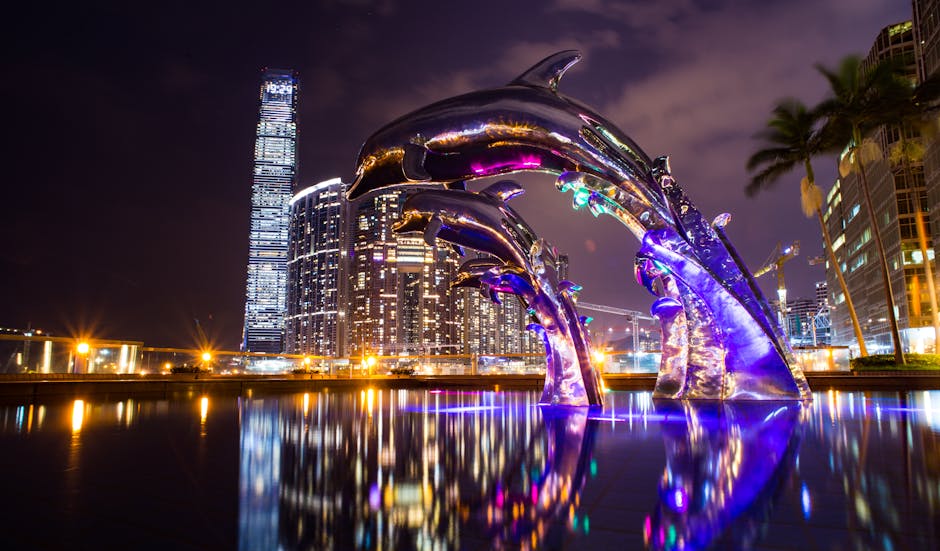
A City Full of Things You Did Not Expect
Hong Kong has a well-established image: skyscrapers, neon, dim sum, shopping, the harbour. Most people arrive with a reasonably accurate mental picture of what they are walking into.
And then the city starts revealing the things that picture did not include.
Here are the genuinely surprising facts about Hong Kong - things that shape what you see and how you understand the place, not just trivia for a quiz.
1. Most of Hong Kong Is Countryside
Around 75% of Hong Kong's total land area is classified as countryside: hills, forests, country parks, nature reserves, and coastline. Only a small fraction of the territory contains the urban intensity Hong Kong is famous for.
The city's density exists partly because so much of the land is protected and undeveloped. The result is one of the most dramatic contrasts in any urban area: you can be in the centre of Hong Kong and be on a hiking trail with no buildings in sight within thirty minutes.
2. Hong Kong Has More Skyscrapers Than Any City on Earth
The urban portion of the territory contains over 300 buildings taller than 150 metres - more than double the number in New York City. By most measures, Hong Kong has the most skyscrapers per square kilometre of any city in the world.
This is visible from the harbour view that defines the city's image, but it takes a moment with a map to appreciate: this is a relatively small piece of land doing something architecturally unprecedented. The density is not accidental - it is the engineering response to restricted buildable land, high demand, and six million people needing somewhere to live.
3. The Name Means "Fragrant Harbour"
Hong Kong derives from the Cantonese "Heung Gong" (香港): fragrant harbour. The origin of the fragrance is debated - some historians attribute it to incense wood that was traded through the area, others to the sweet freshwater springs that once fed the harbour.
Whatever the etymology, walking through Sheung Wan's dried seafood streets or past a temple full of burning incense coils provides a different kind of olfactory answer.
4. There Are Pink Dolphins in the Harbour Waters
Chinese White Dolphins are born grey and turn pink as they age, due to blood vessels near the skin surface that regulate their temperature. They live in the waters around Lantau Island and in the Pearl River Delta.
Sightings have become less frequent as vessel traffic and development have increased - the population is endangered and the numbers are declining. Boat tours from Tai O on Lantau Island search for them; the chances of a sighting are meaningful but not guaranteed. They are, in any case, one of the stranger and more charming facts about what lives in the water immediately around a city of 7.5 million people.
5. The World's Longest Outdoor Covered Escalator Is in the City Centre
The Central-Mid-Levels Escalator system is 800 metres long and climbs 135 vertical metres through the mid-levels residential neighbourhood above Central. It carries around 80,000 people per day.
It runs downhill in the morning (to bring people to work in Central) and uphill from midday. The escalator passes through the Soho restaurant and bar district, which grew up partly because of the pedestrian traffic the escalator creates.
It is genuinely useful as a form of transport, genuinely interesting as a piece of infrastructure, and genuinely pleasant to ride slowly up the hill through a neighbourhood that you might otherwise never walk through.
6. Hong Kong Drives on the Left
A legacy of British rule: road traffic moves on the left, steering wheels are on the right, and the general rules of the road are the British ones. Double-decker buses, red post boxes (the older ones), and certain pieces of colonial architecture round out the slightly disorienting sense that you are simultaneously in a Chinese city and somewhere that remembers being part of the British Empire.
7. The MTR Has Some of the Shortest Wait Times in the World
The Mass Transit Railway runs trains every two to four minutes on most lines during peak hours. The network covers most of the territory that needs covering, the stations are clean and air-conditioned, signage is in English and Chinese, and it runs until after midnight.
It is not a minor point. The quality of the transport system is a significant part of what makes Hong Kong navigable for visitors - the city moves efficiently because the infrastructure it moves on is genuinely excellent.
8. Happy Valley Racecourse Is Encircled by Apartment Towers
Horse racing has been part of Hong Kong's social calendar since the 1840s. Happy Valley Racecourse sits in a valley on Hong Kong Island, and the residential towers have grown up so completely around it that race nights feel like racing inside a bowl of light: the horses thundering around the track while tens of thousands of windows in the surrounding buildings flicker above.
Wednesday night racing at Happy Valley is one of the most distinctive leisure experiences in Asia, and entry to the public stand costs about HK$10.
9. Hong Kong Won Its First Olympic Gold Medal in Windsurfing
Lee Lai-shan won gold at the 1996 Atlanta Olympics in windsurfing, becoming the first Hong Konger to win an Olympic gold medal. The city celebrated massionately. A sport associated with remote beaches and gentle winds was mastered in a harbour town jammed with supertankers and hydrofoils.
The windsurfing tradition continues: Cheung Chau Island is a centre for the sport, with the shallow beach conditions that make it accessible for beginners and the open water exposure that makes it interesting for serious practitioners.
10. The City Has a Professional Snake-Catching Team
Urban wildlife management in Hong Kong includes a specialised unit - operated under the Agriculture, Fisheries and Conservation Department, with some involvement from the police - that responds to snake sightings in urban areas. The unit relocates snakes found in buildings, gardens, and streets to country park areas.
This is not a frequent occurrence but it happens, because Hong Kong's green belt sits immediately against the urban areas and wildlife moves between them. The existence of a professional snake-catching team is both entirely logical given the geography and completely unexpected given the city's image as pure urban intensity.