ConciseTravel
Edinburgh is one of the most photogenic cities in Europe and genuinely worth every superlative it receives. It also has a few realities that the tourist version tends to smooth over. Here is what first-timers usually wish they had known.
August is a different city entirely
The Edinburgh Festival Fringe runs through most of August and transforms the city into something barely recognisable from its normal self. Population roughly doubles. Hotels charge three to five times usual rates. Every spare wall becomes a show poster. Streets are shoulder-to-shoulder. If you want to see shows and soak in the chaos, August is electric. If you want to explore Edinburgh quietly, avoid it entirely. There is no middle ground.
Off-season Edinburgh is not a consolation prize
October through March gets a fraction of the visitors and a lot of the city's actual character. The Old Town feels properly medieval, the pubs are full of locals, and prices return to reasonable. December adds a Christmas market that is genuinely pleasant rather than a tourist production. If your dates are flexible, shoulder season is the honest recommendation.
The Old Town involves serious hills
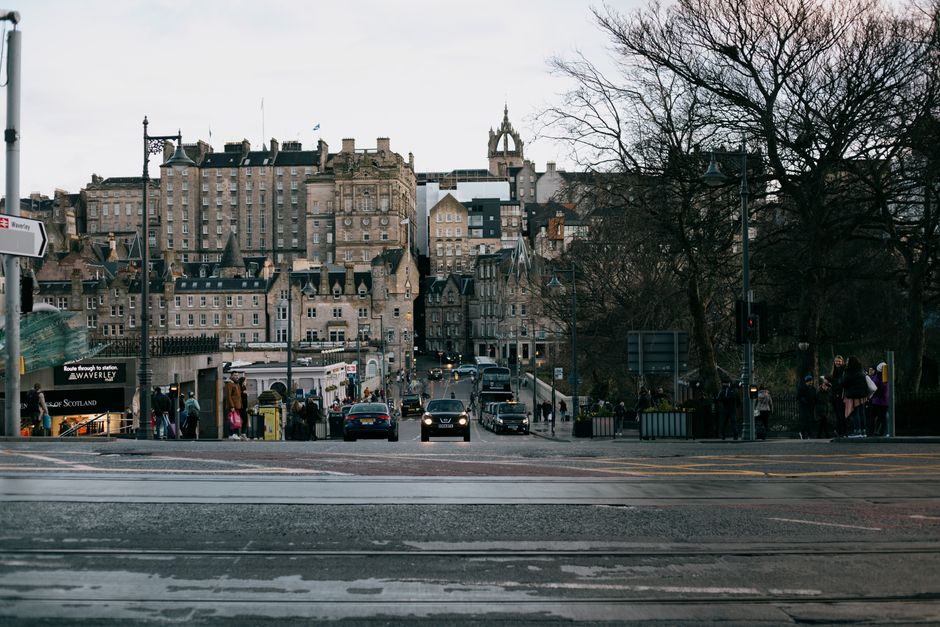
The Royal Mile runs along a ridge and looks flat on a map. It is not. The closes and wynds leading off it drop steeply. Calton Hill, Arthur's Seat, the Castle — all require genuine effort. Edinburgh rewards the physically prepared. Wear proper shoes, not sandals, not fresh white trainers you care about.
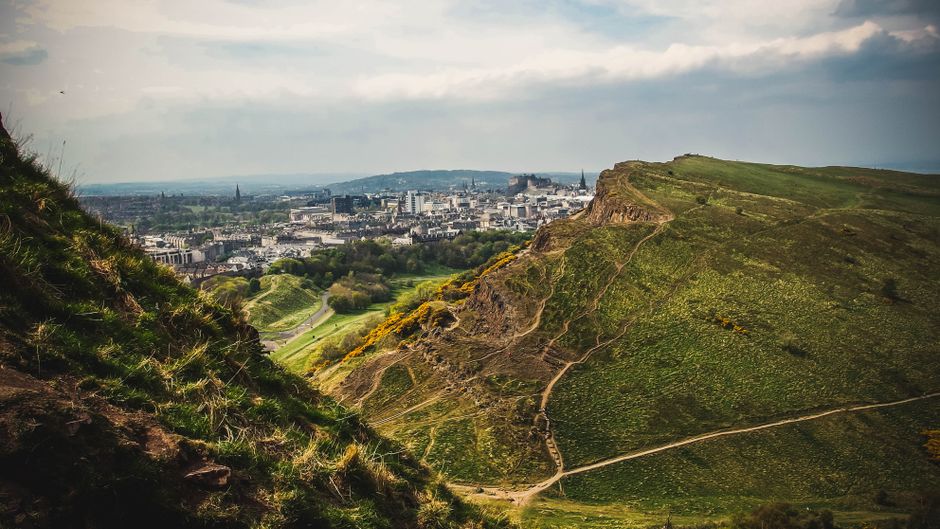
Arthur's Seat is a proper hill, not a stroll
The extinct volcano rising above Holyrood Park takes around 45-60 minutes to summit, involves uneven terrain, and should be taken seriously in wet or windy weather. It is not hard — it is not technical climbing — but people who set off in flip-flops after a big lunch do occasionally need rescuing. Check the forecast, wear layers, go for it.
The Castle is worth it, but plan for the crowds and cost
Edinburgh Castle draws enormous visitor numbers and the entry price reflects that. It is genuinely impressive and the views from the esplanade are hard to argue with. Book timed entry in advance, arrive at opening, and give yourself at least two hours if you want to see the Scottish Crown Jewels and Stone of Destiny properly.
Whisky tastings vary wildly in quality
Edinburgh has dozens of whisky experiences aimed at tourists. Some are excellent introductions to Scotch. Some are overpriced pours with a brief explainer. The Scotch Whisky Experience on the Royal Mile is a solid, reliable option. Independent whisky shops often offer informal tastings that go deeper and cost less. Do a little research rather than walking into whichever one has the biggest A-board on the Mile.
The New Town is not what the name implies
Princes Street and the Georgian grid of the New Town was built in the 18th century, making it "new" only relative to the medieval Old Town. It is beautiful architecture and worth exploring, but do not expect modern development. The contrast between the two halves of the city is one of Edinburgh's best features.
Transport within the city is simpler than it looks
Edinburgh's compact enough that most visitors walk more than they expect. The Lothian Buses system covers the rest — reliable, frequent, and cheap. The airport tram runs directly into the city centre. Taxis and rideshares are plentiful. What the city lacks is a proper underground, which means surface travel in August congestion can slow down.
Haggis is genuinely good
This one surprises people every time. Haggis — the traditional dish of sheep offal, oatmeal, and spices — has a reputation that significantly undersells it. Served with neeps and tatties (turnip and potato), it is hearty, warming, and exactly the right food for a cold Edinburgh afternoon. Order it at least once. The deep-fried version from a chip shop is also worth a go, on the same principle as all great street food.
Midges are a Highland problem, not an Edinburgh one
People worry about Scotland's famously aggressive tiny biting insects. In Edinburgh itself, this is not an issue worth preparing for. The midge problem lives in the Highlands and west coast during summer. If you are day-tripping to Loch Lomond or heading north, then yes, bring repellent. In the city, focus on the rain instead.