ConciseTravel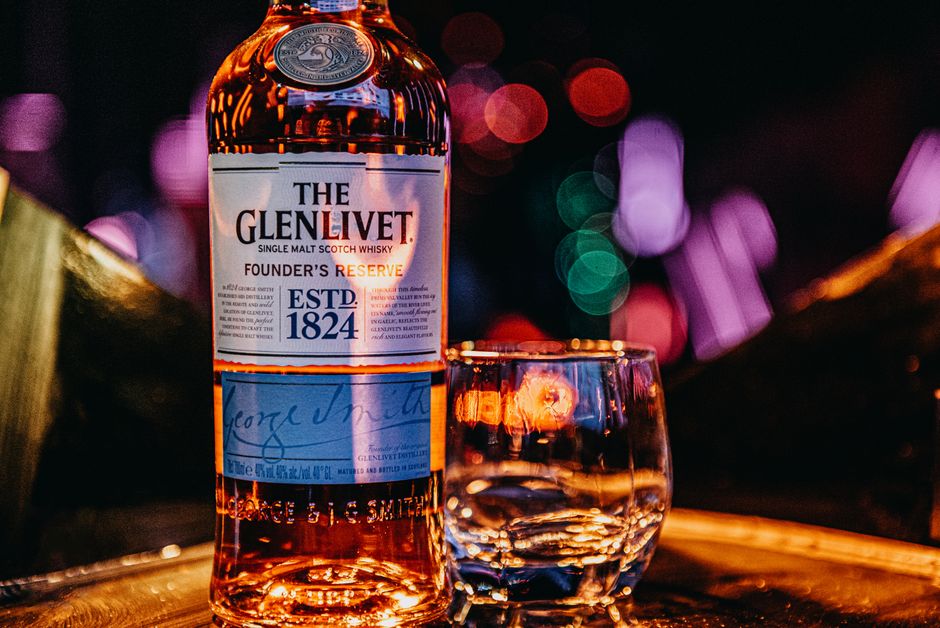
Scottish whisky is genuinely excellent, and visiting Scotland without understanding it is missing something core to Scottish culture. This isn't snobbery—whisky is worth knowing about. Here's how to approach it as a beginner.
The Scotch Whisky Experience (The Attraction)
There's a dedicated attraction called "Scotch Whisky Experience" in a building near Edinburgh Castle. It's touristy but genuinely informative.
What it includes: A tour through whisky production (barrel-ride through the production process), a tasting of 4 whiskies chosen based on your preference, and access to their whisky bar.
Cost: £17 for the tour and tasting, additional cost for drinks at the bar (£6-12 per dram)
Time: About 90 minutes including the tour and tastings
Vibe: It's touristy but not bad. The "ride" through production is cheesy but educational. The tasting is legitimate—you'll taste different types of whisky and learn why they taste different.
Is it worth it? Yes, as a beginner experience. You'll learn the basics and taste quality whisky guided by someone who knows their stuff. It's not sophisticated but it's effective.
The Basics of Scottish Whisky
Single Malt: Whisky from a single distillery, no blending. This is what connoisseurs prefer and what costs the most. Each distillery has a distinct style based on water, peat, barrels, and production methods.
Blended Whisky: Whisky mixing malt from multiple distilleries with grain whisky. It's cheaper, smoother, and more accessible than single malts. Many of the most popular whiskies (Johnnie Walker, Famous Grouse) are blended.
Age: You'll see "10 year old," "12 year old," etc. This is the minimum age spent in barrels. Older whisky is usually more complex and expensive. A 12-year-old is a good starting point. 18+ year olds are premium.
Learning to Taste Whisky
Tasting whisky is a process, not just drinking:
- Look: Hold it up to light. Color ranges from pale (younger whisky) to dark amber (older whisky, heavily peated, or long barrel-aged).
- Nose: Smell it first without drinking. Swirl the glass gently. Scents will change as it opens up. You're looking for patterns: vanilla (barrel influence), smoke/peat (from how the barley was dried), fruit, grain, spice.
- Taste: Take a small sip. Let it coat your mouth for a second. Swallow and notice the finish—the taste that lingers after swallowing.
- Add water: Whisky is bottled at 40-60% alcohol. Adding a tiny bit of water "opens up" the whisky, releasing flavors that alcohol masks. Many connoisseurs prefer whisky with a little water.
Pro tip: Don't rush. Tasting takes 10-15 minutes per whisky. You're not trying to get drunk; you're learning to notice flavor.
Regional Styles
Scottish whisky comes from distinct regions, each with a style:
Islay: Heavily peated, smoky, intense. Examples: Lagavulin, Laphroaig. Divisive—people either love it or hate the smoke.
Highlands: Diverse, typically not heavily peated, varied flavor profiles. Examples: Glenmorangie, Oban.
Lowlands: Lighter, less peated, more delicate. Examples: Glenkinchie, Auchentoshan.
Speyside: Central region, typically fruity and rich. Examples: Macallan, Glenfiddich, Balvenie.
Islay is the most challenging for beginners (smoke is an acquired taste). Speyside is the most approachable.
Beginner Whisky Recommendations
Start with these:
Glenmorangie 10 year: Smooth, fruity, approachable. Classic beginner whisky. 40% alcohol, around £30 a bottle.
Glenkinchie 12 year: Lighter, more delicate. Good introduction to single malts.
Balvenie 12 year: Rich, honeyed, complex but still approachable. Slightly more expensive but worth it.
Glenfiddich 12 year: Famous and popular, slightly less interesting than others mentioned but reliable and good.
Avoid starting with Islay: Lagavulin and Laphroaig are excellent but the smoke is divisive. Learn about whisky first, then try these.
Visiting Distilleries
Edinburgh is near several distilleries. Day trips are possible:
Glenkinchie Distillery: About 15 miles south. They do tours (£15) that include a tasting. It's a genuine working distillery, which is more interesting than a visitor center.
Neist Point Distillery: Newer, west of Edinburgh. Worth visiting if you're exploring beyond the city.
Arran Distillery: About 90 minutes away by car/bus. It's the closest island distillery. If you're interested in proper whisky pilgrimage, Islay distilleries exist but are much farther (requires ferry).
Most distillery visits cost £12-20 and include a tour and tasting. They're worth doing if you're genuinely interested in whisky production.
Whisky Bars
Edinburgh has excellent whisky bars where you can try whiskies without buying a bottle:
Bow Bar: Classic, good selection, locals drink here (not tourists). £6-8 per dram.
Cadenhead's: Specialty whisky shop with bar. Focuses on independent bottlings (not the standard commercial stuff). £6-12 per dram.
The Scotch Whisky Experience bar: Premium prices but guided experience if you want help choosing.
How Much to Spend
Tasting experience: A dram (25ml pour) in a bar costs £5-8. You can have 2-3 tastings for £15-24 and have a genuine whisky education.
Bottle to take home: A quality single malt costs £30-60. A premium bottle costs £60+. You can get good blended whisky for £15-25.
Distillery tour: £12-20 including a tasting.
The Scotch Whisky Experience tour: £17 including tasting.
The Honest Take on Whisky
Whisky doesn't require pretension. You don't need to be a connoisseur or spend serious money. Just taste something decent, understand the flavors, and appreciate that Scotland makes some genuinely excellent spirits.
Many of the most famous whiskies are blended whisky (Johnnie Walker), not single malts. They're good and accessible. There's no shame in preferring something smooth and approachable over heavily peated single malts.
Try a few, find what you like, understand why you like it. That's the point.