 ConciseTravel

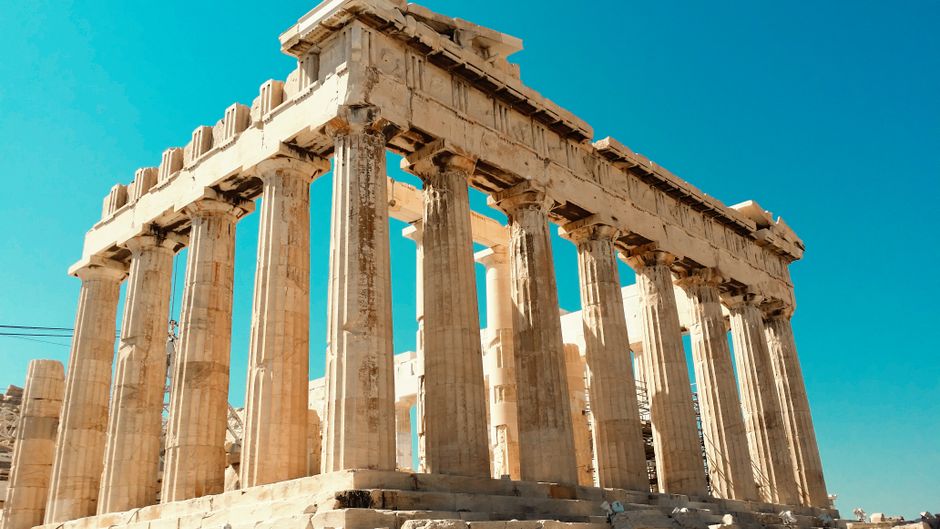
Yes, and it's one of the most underrated winter city breaks in Europe. Athens in summer is hot, crowded and dusty. In winter, the Acropolis is quieter, the light is clear and the city's cafés are full of locals rather than tour groups. You give up beach days and some long evenings outdoors, but for a city break that's a fair trade.
What winter in Athens is like
- Temperature: mild, often around 12 to 16°C in the day, colder at night.
- Rain: the wettest time of year, but usually in short bursts, with plenty of bright days.
- Light: clear, sharp winter sun that's great for photos of the ancient sites.
- Crowds: much lighter at the big sights.
Why winter suits Athens
The Acropolis is far more pleasant. In summer you queue in the heat on bare marble. In winter you can take your time. It's still worth booking Acropolis timed-entry tickets (GetYourGuide), and early morning is the best slot.
Walking is comfortable. The Ancient Agora, Plaka, Anafiotika and the hill of Filopappou are all much nicer in cool weather.
It's a real city in winter. Athenians fill the cafés, tavernas and bars, especially in neighbourhoods like Koukaki, Psyrri and Exarchia.
It's cheaper. Hotels near the Acropolis often drop their prices significantly outside the summer months.
The trade-offs
- Shorter opening hours. Archaeological sites usually close earlier in winter. Check before you plan your day.
- Some rain. Have museum options ready: the Acropolis Museum and the National Archaeological Museum are both excellent.
- No island-hopping weather. Ferries run, but the islands are quiet and many places close for the season.
- Rooftop bars are less appealing on cold evenings, though many have heaters.
How to plan a winter day
- Start at an archaeological site when it opens.
- Spend the middle of the day in a museum or wandering Plaka and Monastiraki.
- Catch sunset from a hill like Filopappou or Lycabettus.
- Finish with dinner in a neighbourhood taverna.
Who should go
Winter Athens is perfect for history lovers, first-timers who hate crowds and anyone on a budget. If you want sun loungers and sea swimming, wait for late spring.
What to pack for winter in Athens
- Layers. Mornings and evenings are cool, but sunny afternoons can feel warm. A light sweater and a jacket cover most days.
- A waterproof. Winter is Athens' wettest season, with short, heavy showers.
- Shoes with grip. The marble paths on the Acropolis are slippery when wet, and polished smooth by millions of visitors.
- Sunglasses. Even in January, the light on the Acropolis can be dazzling.
Getting there and around
Winter flights to Athens from the UK are often cheaper than in summer, though there may be fewer direct routes. From the airport, the metro and the express bus both reach the centre. The historic centre is compact, and most of the big sites are within walking distance of each other.
Is it worth it?
For most travellers, yes. If your priority is ancient history and museums rather than beaches and island hopping, winter is one of the best times to see Athens at its most relaxed.