ConciseTravel
Florence in winter is one of Italy's best kept travel secrets. The Uffizi and the Accademia are navigable without queuing for two hours. The Duomo can be photographed without a crowd of selfie sticks blocking the shot. The trattorias along the Oltrarno fill with locals rather than tourists. The trade-off is weather that is cooler, wetter, and occasionally foggy. None of it is a serious problem with the right layers.
The Real Winter Temperature Story
Florence in December averages 7-9C during the day, dropping to 2-4C at night. January is the coldest month, sitting around 5-8C in the daytime. February is similar, with the occasional warmer day hinting at the early arrival of spring. Snow in central Florence is rare but not impossible; the hills above the city are more likely to see it.
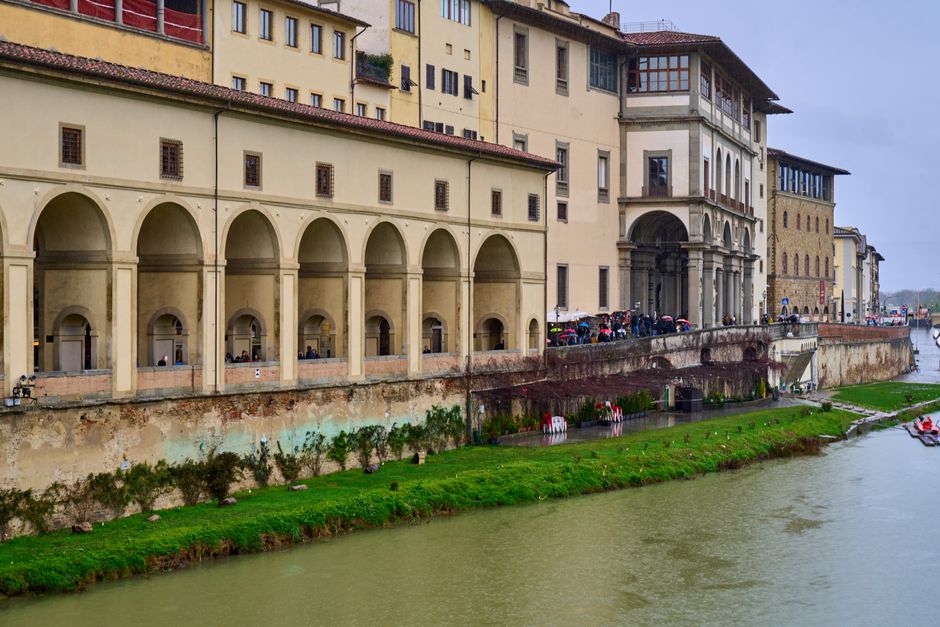
The city sits in a river valley, which means cold air pools in winter and fog is a genuine feature of December and January mornings. The Arno in winter mist is beautiful, but it is also cold. Evenings cool quickly after sunset. The formula here is light-to-medium layers with a real jacket for evenings and any overcast day.
City-Specific Cold-Weather Must-Haves
A medium to heavy jacket. Not a serious winter coat but something with genuine warmth. A padded jacket or a smart wool coat covers most Florence winter days. It needs to look reasonable for walking into a nice restaurant, not just functional in the wind.
A rain layer or waterproof jacket. Florence gets meaningful rainfall in winter, sometimes over several days. A waterproof outer layer or a rain mac you can throw over your jacket handles the wettest days.
Smart-casual clothes for evenings. Florence is a fashion city. Even in winter, the restaurants and bars in the Oltrarno and Santa Croce neighbourhoods are places where looking slightly put-together matters. Pack at least one outfit that can do a decent dinner justice.
Comfortable walking shoes with grip. The Ponte Vecchio, the climb up to Piazzale Michelangelo, and the stone streets around the Duomo all get slippery in the rain. Something with grip and waterproofing works best.
Warm layers underneath. A fleece or chunky knit jumper under your jacket handles cool afternoons and cold evenings without requiring expedition-grade gear.
A compact umbrella. Florence's narrow streets offer some shelter, and the wind is not severe enough to fight with a compact umbrella. Useful for the short, sharp showers that characterise winter rain here.
What to Leave Behind
Heavy ski gear or Arctic-grade thermals. Florence does not need them. Medium layers cover everything the city produces in winter.
Only summer clothes. The opposite mistake: arriving with light clothing for a January Florence trip is a mistake. Evenings are genuinely cold.
Fashion boots with smooth soles. The historic centre's stone streets are treacherous when wet. Grip matters here.
A bulky heavy suitcase. Florence's historic streets and many hotels with historic buildings have limited storage. A manageable bag makes the trip easier.
Packing it Together
Medium jacket, rain layer, warm mid-layers, smart-casual clothes for evenings, and waterproof shoes with grip. Florence in winter rewards the traveller who comes prepared: fewer crowds, better restaurant availability, and the Uffizi at something approaching a human pace.
The ConciseTravel Florence guide covers the Uffizi booking strategy, the Duomo, the best trattorias, and the Oltrarno neighbourhood worth half a day of your time.