ConciseTravel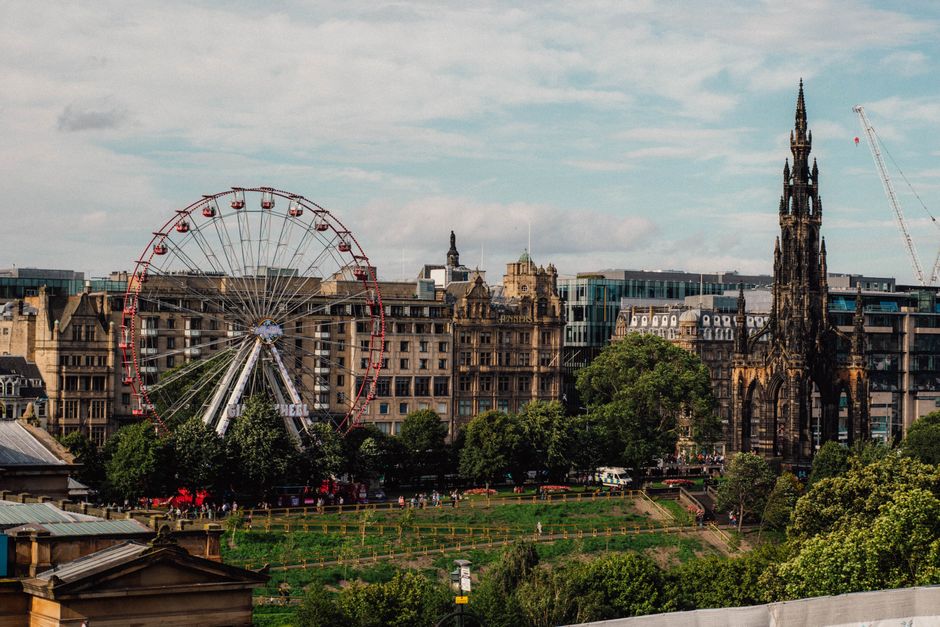
The Edinburgh Fringe Festival is the world's largest arts festival by volume. For three weeks in August, Edinburgh becomes a completely different city—more crowded, more expensive, and more creatively vibrant than any other time of year.
The Basics
When: Mid-August for about 3 weeks (specific dates change yearly; typically August 7-26 or similar range)
What it is: An open-access arts festival where anyone can perform. There are thousands of shows—theater, comedy, music, dance, physical theater, performance art. It's chaotic and wonderful.
Size: Over 50,000 performances across August. It's genuinely enormous.
Location: Throughout Edinburgh, but concentrated in the Old Town and Festival Square
Vibe: Insanely busy, energetic, creative, expensive
The Festival Overlap
Edinburgh also has the International Festival (more curated, more prestigious) and Military Tattoo (marching bands) happening simultaneously in August. The Fringe is the open-access one—the democratized version.
Visiting During Fringe vs. Other Times
During Fringe (August):
- Accommodation: 2-3x normal price, difficult to find
- Restaurants: Packed, prices up, need reservations
- Entertainment: Infinite options, world-class performances
- Overall vibe: Chaotic, energetic, genuinely special
Outside Fringe:
- Cheaper everything
- Quieter, more peaceful
- Less to do (but still plenty)
- You can actually walk around without crowds
Honest take: Fringe is special but challenging. If you visit during festival season, expect expense and crowds. If you visit off-season, Edinburgh is more manageable and actually more pleasant to experience.
Getting Tickets
The Fringe Box Office: Books all Fringe shows. Website is edfringe.com. You can book weeks ahead or buy walk-up tickets at the box office (Mound Place, right in the Old Town).
Ticket prices: £5-25 typically. Some shows are free (increasingly popular). Premium shows (established performers) cost more.
Walk-up tickets: Possible but involves queuing at the box office (can take 30-60 minutes in peak festival season).
Booking ahead: Much better. Booked online, you skip queues and get guaranteed seats.
What to See
With 50,000 performances, you can't see everything. Pick strategically.
Comedy: Edinburgh Fringe is famous for comedy. Major comedians do shows, up-and-coming comedians debut. If you like comedy, this is the place. Shows are typically 1 hour, £8-15.
Theater: From established companies doing new work to experimental student theater. Quality ranges wildly. Good reviews mean good theater. Average rating on edfringe.com is useful.
Physical theater and dance: Edinburgh Fringe showcases international physical work. Performances don't require language to understand. These are often genuinely excellent.
Musicals and music: Everything from full musicals to solo musicians. Very popular, book ahead.
Children's shows: There's actually a strong children's programming component.
Experimental and weird: There's a whole section of the Fringe that's deliberately weird—performance art, interactive theater, things that won't fit traditional categories. Some are brilliant, some are genuinely terrible.
Strategy for Fringe
If you're visiting for the first time: See a mix of comedy, theater, and physical theater. Get a taste of what the festival offers.
If you love a specific genre (comedy, theater, dance): Focus there. See 3-4 shows of that type rather than dabbling.
Book 3-5 shows for a 3-day visit. Don't overload—you'll get festival fatigue.
Read reviews: The edfringe.com website has audience reviews. 4+ stars is a good bet. 3 stars is worth considering if the concept interests you. Below 3 stars, skip it.
Mix established names with unknowns: A show by a famous comedian is safe but expensive (£20). An unknown comedian with good reviews is risky but often brilliant and cheaper (£10).
Mix genres: Theater one day, comedy the next, physical theater the next. It breaks up the experience.
Practical Fringe Logistics
Venue locations: Shows are throughout Edinburgh. Download the Fringe app to see venues and walking times. Most venues are within the Old Town, but some require bus rides.
Timing: Fringe gets busier as it progresses. First week is less crowded than final week. Weekdays are quieter than weekends.
Accommodation: Book months ahead if visiting during Fringe. Prices are inflated and options are limited.
Eating: Restaurants get packed during Fringe. Either book ahead or eat at off-peak times (3-5pm, 10pm+).
Money: Fringe is expensive. Budget extra compared to visiting off-season.
Is Fringe Worth the Hassle?
Yes if: You love live performance, you want to experience something genuinely unique, you're willing to pay premium prices and deal with crowds.
Maybe if: You're visiting Edinburgh and happen to be there in August. You'll experience extra vibrancy but at extra cost.
No if: You're budget-conscious, you dislike crowds, you don't care about live performance, or you want a relaxing vacation.
Alternative: Visiting Off-Fringe but in August
If you want some festival atmosphere without peak chaos, consider late August (after the main Fringe intensity) or early August (before crowds peak). You'll get some festival energy with fewer crowds.
The Experience
Fringe is genuinely special. There's an energy during August in Edinburgh that exists nowhere else. Artists come from around the world, performances are happening constantly, the whole city becomes a stage. It's chaotic and wonderful and genuinely creative.
But it comes at a cost—monetary and convenience-wise.