ConciseTravel
Copenhagen doesn't have a cycling culture. Copenhagen is a cycling culture. On any given morning, you'll see more bikes than cars, more cyclists than pedestrians, and more nodding acknowledgments between riders than you'll see handshakes in an entire year. This is not a quirky tourist activity. This is how the city works.
Renting a bike is the single best decision you can make in Copenhagen. It costs about £2 for a day, gives you access to the entire city at your own pace, and is genuinely faster than walking for any journey over 500 metres. More importantly, it makes you part of Copenhagen's rhythm in a way that taxis and tours never will.
Getting a Bike: The Options
Baisikkel (City Bikes)
The most touristy option, but the easiest. Baisikkel runs the red bikes scattered around the city—you've definitely seen them. You pay 80 DKK (roughly £10) for a day pass, and you can grab any bike from any dock and drop it at any other dock. The catches: the bikes are heavy, slow, and designed for short journeys. They're also often broken or missing vital parts like seat adjustment levers.
But here's the thing: they work. And they work because they're designed to be indestructible. A bent pedal and a dodgy brake won't stop a Baisikkel bike. It keeps rolling.
Local Bike Shops
Better bikes, lower costs, more personality. Shops like Cykeludlejningen near Nørreport will rent you a proper road or hybrid bike for 100–150 DKK per day (£13–20). These bikes are lighter, faster, and actually enjoyable to ride. They also come with tips from staff who know the city and can suggest routes that avoid the worst traffic.
Airbnb Bikes
Many Airbnbs include a bike. If you're staying more than two nights, this is your best option. The bike is usually decent, it's already there, and it costs nothing. Check your listing.
Logistics: Pick-Up, Drop-Off, and Locks
Rental shops are everywhere. Most open at 8am and close at 5–6pm, but central locations stay open later. Ask your hotel. They always know the nearest option.
Locks are included or cost 20 DKK extra. Get a lock. Don't think your bike is safe because it's in a busy area. Copenhagen cyclists steal from each other with stunning regularity. A good u-lock takes about 10 seconds to defeat if someone's determined, but it discourages casual opportunists.
Most rentals don't ask for a deposit if you're paying cash and present a passport. If you're paying by card, be prepared for a hold on your account—it's usually released within a week, but it's worth asking upfront.
Drop-off is flexible at most places. If you rented from a shop, you return it to that shop by closing time. Baisikkel bikes have to go back to a dock, but any dock works.
The Unwritten Rules of Copenhagen Cycling
This is crucial. Breaking these rules won't get you arrested, but you will get tutted at, and being tutted at in Copenhagen feels worse than a parking fine.
Stay in the bike lanes. Copenhagen has 400km of protected bike lanes. Use them. Cyclists who drift into car lanes or sidewalks are treated with the contempt usually reserved for queue-jumpers. The bike lanes are clearly marked and separated by a small curb or paint line. Stay there.
Ring your bell. Your rental bike comes with a bell. Use it to announce yourself, not to be aggressive. A gentle "ding-ding" is the Copenhagen way.
Slow down for pedestrians. Cyclists who bomb down the sidewalk at 30km/h are hated. If you see pedestrians ahead, dismount and walk. It takes 10 seconds and earns you silent respect.
Don't run red lights. Copenhagen cyclists actually follow traffic laws. This will shock you. They wait at red lights like civilised people. Do the same.
Carry a lock and use it. Unattended bikes get stolen. This isn't a myth.
Nod at other cyclists. You don't know them, but you're part of the same tribe. A small nod or wave is the Copenhagen cyclist's handshake. This is optional but encouraged.
Navigation: Where to Go
The beauty of cycling in Copenhagen is that you can't really get lost. The city is compact, the streets are logical, and if you go the wrong way, the worst that happens is you see more of Copenhagen.
Key routes:
The Harbour Route: Follow the water from Indre By west toward Christianshavn and the Harbour Baths. It's stunning, it's flat, and it takes about 20 minutes.
Nørrebro and Vesterbro: These neighbourhoods are made for cycling. The streets are wide, the cafes have outside seating (perfect for bike breaks), and you can visit Superkilen (a brilliant public space) without effort.
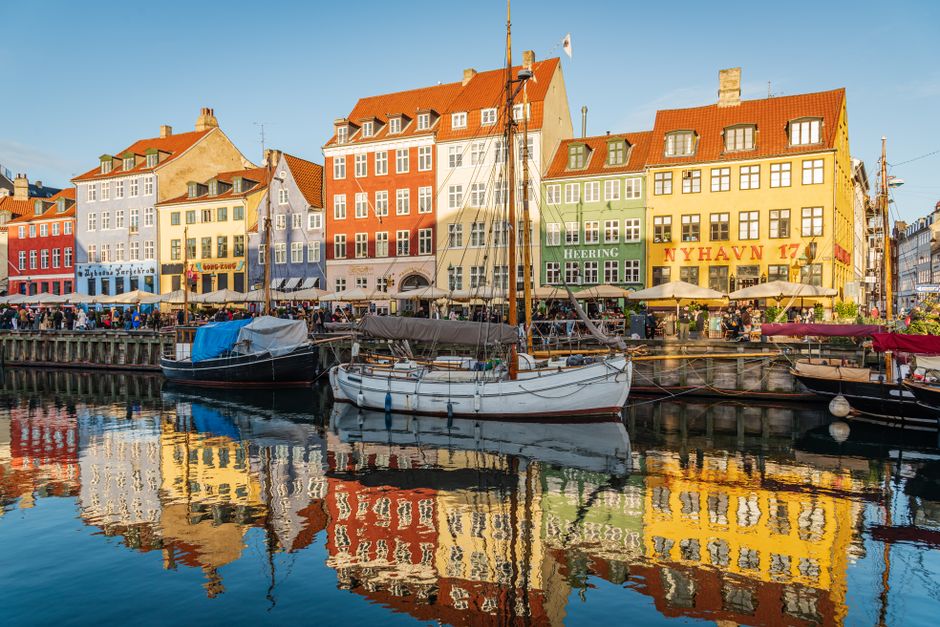
Tivoli to Nyhavn: A classic ride that hits major sights without getting lost. About 3km, 20 minutes, mostly on major roads with good bike infrastructure.
Out to Christiania: If you're confident, cycle west from Christianshavn toward Freetown Christiania. It's about 2km and feels like you've escaped to another country.
To the Beaches: Kastrup Beach (south) or Amager Strandpark (east) are cycleable in 30 minutes from the city centre. The dedicated bike route is flat and completely protected from traffic.
Safety: The Real Risks
Copenhagen cycling is safer than it looks. Drivers expect cyclists, roads are designed for them, and helmets are optional (though not uncommon). That said:
Watch for parked cars. A door suddenly opening in front of you is the biggest genuine risk. Scan for movement inside parked cars or look for indicators that might suggest a car's about to pull out.
Lights are mandatory after dark. If you're cycling after 6pm, you need lights. Rental bikes usually have them. If yours doesn't, don't cycle in the dark.
Wet conditions change things. Copenhagen in winter is slippery. Rain makes the painted bike lane markers treacherous. Ride slower, brake earlier, and be more cautious around corners.
Cargo bikes are common and surprisingly heavy. If you see a bike-shaped vehicle carrying a sofa or a child or both, give it space. These things take up the entire bike lane.
Cost Breakdown
Baisikkel: 80 DKK/day (£10) Local rental: 100–200 DKK/day (£13–27) Airbnb bike: Free Lock (if not included): 20 DKK (£2.70) Repairs: Not your problem if you rented
Compare this to a single metro ride (36 DKK) or a taxi to anywhere (250+ DKK). A bike pays for itself on the first proper journey.
Pro Tips for Your Cycling Day
Start early. Rush hour cycling (7–9am) is chaotic. Go out at 10am or 4pm if you can.
Dress for the weather, not the season. Copenhagen in summer requires sunscreen and a light shirt. Copenhagen in winter requires thermal everything. Don't overdress—cycling warms you up quickly.
Bring a small backpack or use the bike basket. Most rentals have a front basket. Use it. Cargo bikes exist because Copenhagen cyclists actually carry things.
Rest at cafes. Stop for coffee, take in the view, let your legs recover. This isn't a race.
Take the long way. If you've got time, ignore the direct route and explore side streets. This is how you find the best restaurants, the quietest parks, and the parts of Copenhagen that tourists never see.
Returning the Bike
Return it by the agreed time. If you're late by an hour, most shops charge for an extra day. It's not worth the argument.
Clean off any mud if you've been to the countryside (purely as a courtesy—they don't expect it). Check that your things aren't still in the basket.
Final Thoughts
Cycling Copenhagen is not a tourist activity. It's how you access Copenhagen. The moment you get on a bike, the city becomes yours in a way that no guidebook or tour can offer. You move at human speed, you see everything, and you understand why Danes are genuinely happy.
Rent a bike. Ride like a local. Nod at strangers. Don't run red lights. Thank me later.
Master Copenhagen in Minutes
Don't waste hours planning. Get our condensed, digital cheat sheet with everything you actually need.
Shop Guide on Etsy →