ConciseTravel
The best time to visit Oslo is June through August. The days are extraordinarily long (light until midnight in June), the fjord is swimmable, and the city makes full use of its outdoor culture. Winter Oslo in December has its own appeal for those who want the full Nordic experience. Spring and autumn are fine but offer less of what makes Oslo distinctive.
Month-by-Month Breakdown
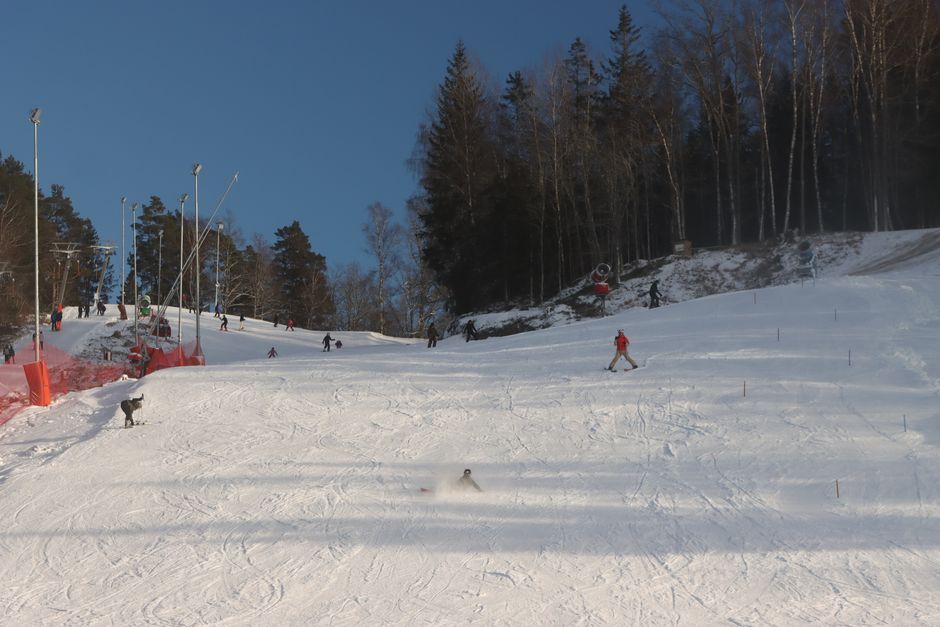
- January to February: Cold (around -4 to 2C) and dark. Snow is likely, which makes the city beautiful but the days very short. Ski resorts on the outskirts (Holmenkollen) are active. The city is quiet and hotel prices are lower.
- March to April: Gradually lighter. Temperatures around 1-8C. Easter is a significant Norwegian holiday and the city gets quiet as locals head to mountain cabins. Museums remain open.
- May: Norway's National Day (17 May) is one of Europe's most exuberant national celebrations: Oslo fills with people in traditional dress and the city feels exceptional. Worth visiting for this specifically.
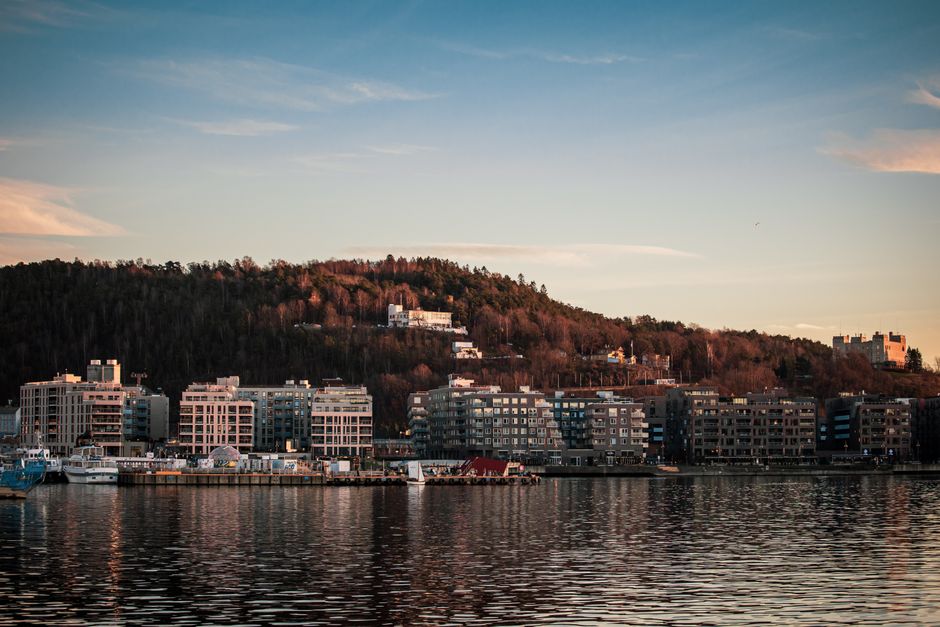
- June: Peak summer begins. Temperatures around 20-24C and light until 11pm or later. The Oslo Fjord, the outdoor Vigeland Sculpture Park, and the Aker Brygge waterfront are at their most enjoyable.
- July: Peak visitor season. Temperatures around 22-26C. The fjord beaches and outdoor restaurants are busy. The most popular time to visit and the most expensive.
- August: Still summer but cooling slightly by month's end. Still a strong choice before the season ends.
- September: Autumn arrives. Temperatures drop to 12-16C. The city quietens and prices ease. Still pleasant for walking.
- October to November: Getting darker and colder. Not the strongest window unless urban culture (museums, restaurants, design) is the primary draw.
- December: Snow and darkness, but also the Norwegian Christmas atmosphere: lights, markets, and the city looking genuinely picturesque. Cold (around -2 to 4C) but a worthwhile winter visit for those who want the Nordic winter experience.
Peak Season
June through August is when Oslo is at its most visited and most expensive. The combination of long summer days and the fjord makes this the obvious tourist season. Hotel prices are at their annual high and some popular experiences (fjord boat trips, summer concerts) require advance booking.
Shoulder Season
May (around National Day) is a genuinely special time to visit that most visitors miss. September is the practical shoulder option with lower prices, decent temperatures, and the city fully operational.
What to Avoid
February: the darkest, coldest month, with no particular event to justify the conditions unless winter sports near the city are the goal. Oslo is expensive year-round; paying peak prices in February for minimum daylight and maximum cold is the least compelling combination.
For everything you need to plan your trip around the timing, our Oslo city break guide covers it.