 ConciseTravel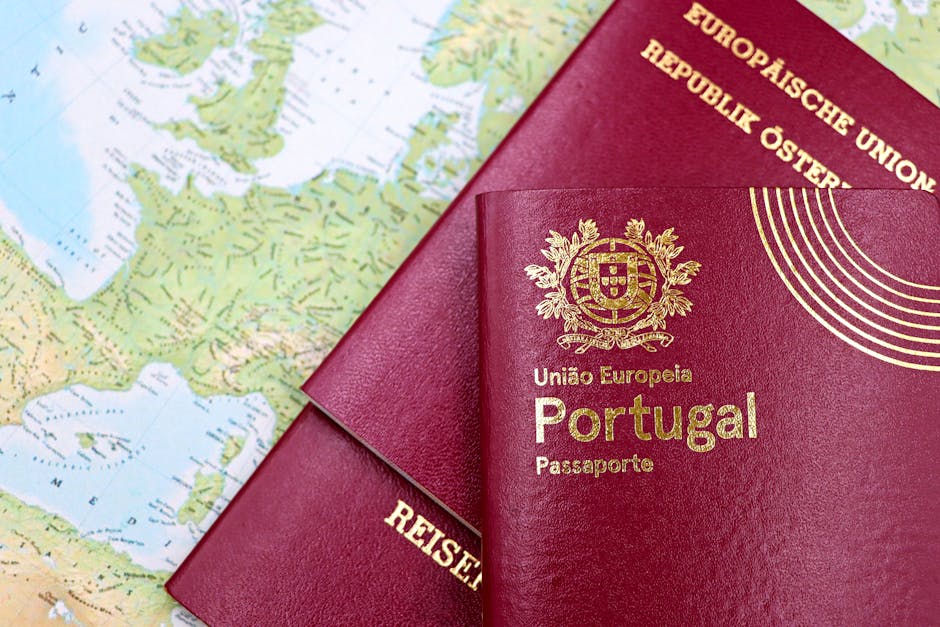
Europe for non-EU travellers is more straightforward than it looks from the outside, but it does require understanding the Schengen zone, knowing which countries are in it, and checking your passport's entry allowances before you book. Get that right and the cities themselves are largely accessible and English-friendly. Here's where to start.
Understanding the Basics First
The Schengen Area covers 27 European countries and treats them as a single territory for entry purposes. You cross the external border once — at your first point of entry — and then move freely between Schengen countries without passport checks. Most major European city-break destinations (France, Germany, Spain, Italy, Netherlands, Portugal, Greece, Austria, Czech Republic, Poland) are in Schengen. Ireland and the UK are not.
For most non-EU travellers from countries including the US, UK, Canada, Australia, and New Zealand: Schengen allows 90 days within any 180-day period, visa-free. From 2025, ETIAS (a pre-travel authorisation, not a visa) applies to most of these nationalities — it's an online application costing €7 and valid for three years.
The Cities
Amsterdam
Amsterdam is the strongest entry point for first-time non-EU European visitors. Schiphol Airport is one of the best-connected airports on the continent with direct long-haul routes from North America, Australia, and across Asia. The airport experience is efficient, English is the effective first language of the city, and the train from Schiphol to Amsterdam Centraal takes 17 minutes and costs €5. The Netherlands is a Schengen member with straightforward entry processing. Amsterdam also makes an ideal hub if you're planning to visit multiple countries on one trip.
Best for: Non-EU travellers wanting a straightforward Schengen entry with the best possible airport experience.
Paris
Paris has Charles de Gaulle and Orly airports with extensive non-stop routes from across the world. CDG is a Schengen entry port with established non-EU processing, and while queues can be long, the process is clear. France is a Schengen member. Paris itself is English-friendly in tourist areas, highly legible for first-time European visitors, and has enough infrastructure (RER B train, museum booking systems, multilingual signage) to handle non-EU visitors smoothly. The cultural payoff needs no introduction.
Best for: Non-EU travellers wanting the archetypal European capital with the world's best flight connections into it.
Barcelona
Barcelona-El Prat Airport has solid transatlantic connections, particularly from North America and Latin America. Spain is a Schengen member with efficient border processing. The city is extremely English-friendly in tourist areas and has a clear, app-supported public transport system. Barcelona also works well as a gateway to a broader Spain itinerary — AVE trains connect it to Madrid in 2.5 hours, and from Madrid you can reach Seville in 2.5 hours more.
Best for: Non-EU travellers from the Americas, for whom the flight connections and Spanish language overlap make Barcelona an obvious first European stop.
Dublin
Dublin is the only major European city-break destination outside the Schengen Area (along with Reykjavik). That's significant for non-EU travellers with two implications. First, Ireland has its own visa requirements separate from Schengen — check independently. Second, Dublin is the only European city where US Pre-Clearance operates: US citizens clear US customs and immigration at Dublin Airport before boarding, arriving in the US as domestic passengers. For American travellers, this is a practical convenience. Dublin is also wholly English-speaking, which lowers the navigation threshold considerably.
Best for: American travellers who want the Pre-Clearance advantage and a wholly English-language city experience.
Prague
Prague is increasingly well-connected with direct long-haul routes from North America and Middle East hubs via Emirates and Qatar. The Czech Republic (Czechia) is a Schengen member. The city is extremely English-friendly — essentially all tourism-facing staff speak it — and the tourist infrastructure is well-developed for international visitors. Prague's Old Town is compact, extremely walkable, and visually extraordinary in a way that lands immediately. It's also one of the most affordable Schengen capitals, which matters when you're paying for long-haul flights.
Best for: Non-EU travellers who want to land in Schengen and immediately feel like the trip has delivered.
Athens
Athens is one of the more accessible European capitals for non-EU travellers arriving from the Middle East, Africa, and Asia, with direct connections via regional hubs. Greece is a Schengen member. The Athens Metro runs directly from the airport to the city centre in 40 minutes. The city is English-friendly in all tourist areas. Crucially, Greece sits at the edge of the Schengen zone, making it a good starting point if you're planning to visit multiple European countries — enter in Athens and make your way north.
Best for: Non-EU travellers flying from the Middle East or Asia who want a warm-climate, historic starting point for a European trip.