 ConciseTravel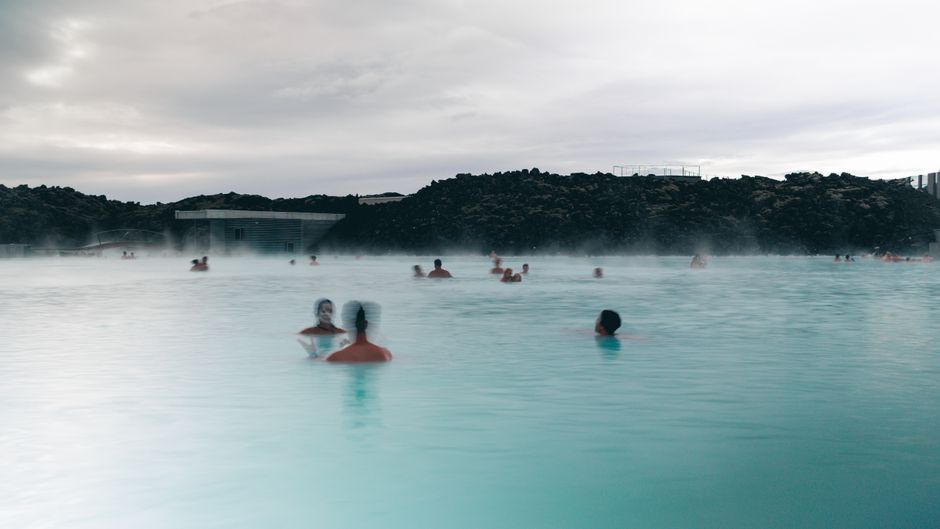
Some European cities are built around the act of slowing down. They have the infrastructure, the culture, and the architecture to make wellness a genuine reason to visit, not just an afterthought in a hotel basement. These are those cities.
The Cities
Budapest, Hungary
Budapest is the undisputed heavyweight of European thermal bathing. The city sits on top of more than 100 thermal springs, and the Hungarians built grand, ornate bath houses on top of them in the nineteenth and early twentieth centuries. The baths aren't spas in the modern sense, they're civic institutions: vast, tiled, pool-after-pool complexes where locals and visitors soak side by side. The Buda side has the quieter, more traditional options; the Pest side skews more theatrical. Either way, a full bath house afternoon is one of the best ways to spend four hours in Europe.
Best for: Anyone who wants thermal culture with architectural drama and genuinely affordable prices.
Reykjavik, Iceland
The entire country is a geothermal spa, and Reykjavik is the logical base. The Blue Lagoon is the famous one, and it earns its reputation even if it's become a visitor juggernaut. But the newer Sky Lagoon closer to the city offers the same volcanic mineral water experience with a more intimate feel and an ocean view that's difficult to argue with. The cold-water plunge, steam room, and sauna sequence the Icelanders practise is the most effective relaxation method you'll find in Europe.
Best for: First-time geothermal visitors who want maximum landscape drama alongside the water.
Copenhagen, Denmark
Copenhagen approaches wellness through a Scandinavian lens: clean lines, cold water, and the concept of hygge made architectural. The harbour baths dotted around the city let locals swim in clean urban water year-round, and a serious sauna culture has emerged across the waterfront in recent years. The city also has a strong natural food culture that dovetails well with a wellness focus. It's less about grand historic buildings and more about integrating wellbeing into daily city life.
Best for: Travelers who want wellness woven into an active, design-forward urban break rather than a dedicated spa complex.
Vienna, Austria
Vienna has a long tradition of taking rest seriously. The city's historic Kurhaus culture is less prominent now, but what remains is a city with exceptional day spas, thermal facilities in the outer districts, and a general appreciation for structured relaxation. Combine that with the cafe culture, where sitting for two hours over a single coffee is socially expected, and Vienna becomes a surprisingly effective wellness destination. The pace is deliberately slower than most European capitals.
Best for: Travelers who want urban culture alongside wellness, and appreciate slowness as a philosophy rather than a pursuit.
Tallinn, Estonia
Tallinn is underrated on the wellness circuit, mostly because people don't expect it. But Estonia has a deep sauna tradition, and the city has several excellent smoke sauna experiences, including proper rural-style saunas within easy reach. The old town location also means you can genuinely walk yourself into exhaustion on cobblestones and then recover properly. The cost is a fraction of Scandinavia for a comparable quality of experience.
Best for: Budget-conscious wellness travelers who want authentic sauna culture without the Nordic price tag.
Geneva, Switzerland
Geneva sits on a lake surrounded by Alps and has the Swiss commitment to precision extend to its wellness offerings. The city has some of the best luxury spa facilities in Europe, many attached to the international hotel circuit that serves the diplomatic community. The lake itself functions as a giant outdoor wellness amenity from spring through early autumn, with clean swimming areas and open water culture. The setting makes almost any spa experience feel more restorative than it would elsewhere.
Best for: Travelers whose budget leans luxury and who want mountains, lake water, and high-end facilities in the same postcode.