ConciseTravel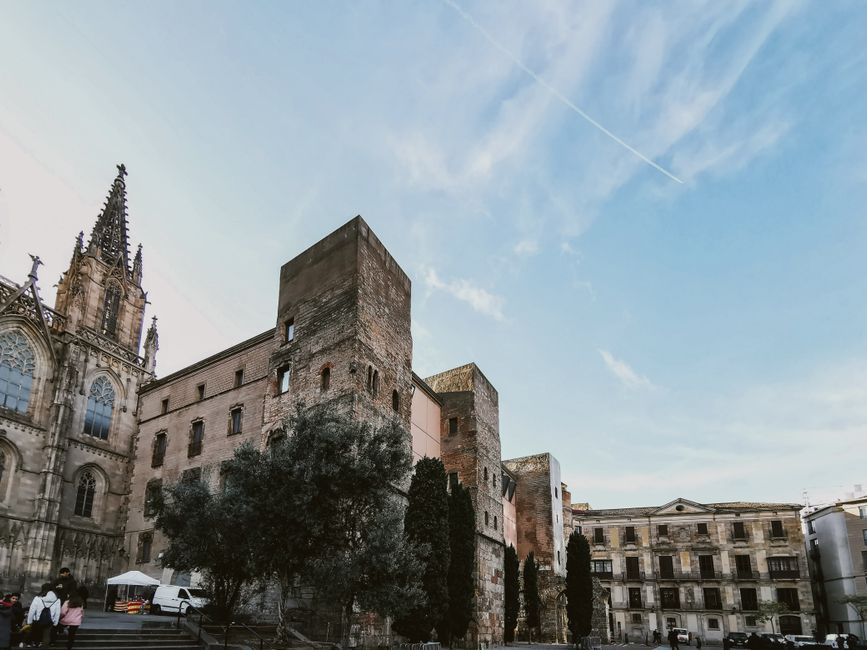
Barcelona rewards the curious traveler. La Rambla punishes everyone else.
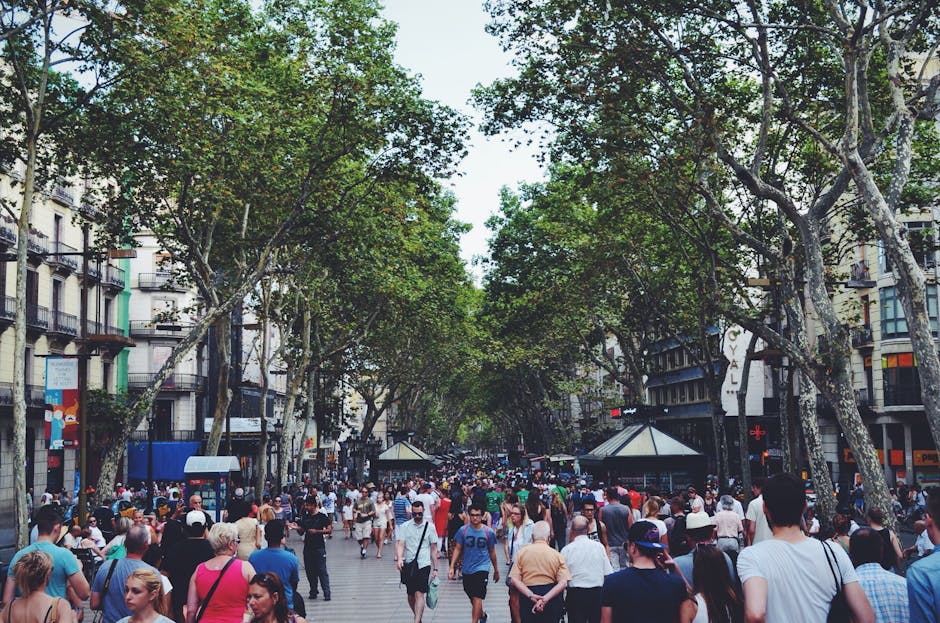
We'll say it plainly: La Rambla is the worst way to spend an afternoon in one of Europe's most genuinely exciting cities. It's a 1.2km corridor of pickpockets, overpriced sangria, and human statues that stopped being charming in 2003. If your Barcelona itinerary centers on it, you're doing the city a disservice.
That's not contrarianism for its own sake. It's what the numbers say.
The Pickpocket Capital of Europe
Barcelona consistently ranks among the highest cities in Europe for tourist theft, and La Rambla is ground zero. It's not occasional. Experienced travelers treat it like a gauntlet: head down, bag in front, wallet in a deep pocket. The sheer density of foot traffic makes it a perfect environment for distraction techniques. You're not relaxed on La Rambla. You're on guard.
What You're Actually Paying For
The cafes and restaurants lining the boulevard operate on a simple model: captive audience, inflated prices, mediocre food. A beer that costs 2.50 euros three streets over becomes 7 euros on La Rambla. The tapas are frozen, the paella is for tourists, and the staff aren't trying to impress you. They don't need to.
La Boqueria, the famous market at the midpoint, has followed the same arc. What was once a working food market is now largely a performance for cameras. Stalls selling fruit cups and jamón for twice the price have edged out the traders who actually fed the neighborhood. Local chefs haven't shopped there in years.
What Barcelona Actually Looks Like
Step two blocks off La Rambla in either direction and the city transforms. The El Raval side gives you independent galleries, proper coffee shops, and streets where people are going about their actual lives. The Barri Gòtic side has narrow medieval lanes that feel genuinely atmospheric rather than staged.
Go further and it gets better. Gràcia is the neighborhood Barcelona keeps for itself: small squares, local bars, and a pace that makes you want to stay another week. Poblenou has the industrial-cool energy that Barcelona's tourist infrastructure hasn't caught up to yet. Sant Pere and El Born are walkable, beautiful, and full of places that charge fair prices because their customers come back.
The Monuments Argument
Some visitors feel obligated to walk La Rambla because it's on the map. The reasoning goes: I'm here, I should see it. Fine. Walk it once, from the Plaça de Catalunya end down to the Columbus Monument, take in the scale of it, note how chaotic it is, and then leave. That takes 20 minutes. You've seen it.
What you shouldn't do is base yourself there, eat there, or return to it as a landmark for navigating the city. Barcelona has Gaudí's architecture, a Gothic Quarter that actually predates the tourist industry, beaches that aren't entirely heaving, and a food scene that exists outside the obvious tourist corridors. La Rambla competes with none of that.
The Smarter Approach
The visitors who get the most out of Barcelona treat the city in layers. The famous stuff first, briefly, as orientation. Then the neighborhoods. Then the specific finds that reward a bit of planning: the less-visited Modernista buildings, the park benches in Ciutadella on a weekday morning, the market stalls in the Mercat de l'Abaceria in Gràcia that Boqueria used to be.
That version of Barcelona is completely accessible. It just requires not spending your afternoon wedged between tour groups on a single street.
Our Barcelona city break guide maps out the neighborhoods worth your time, the landmarks that actually deliver, and how to move through the city without spending half your trip in a crowd.