 ConciseTravel
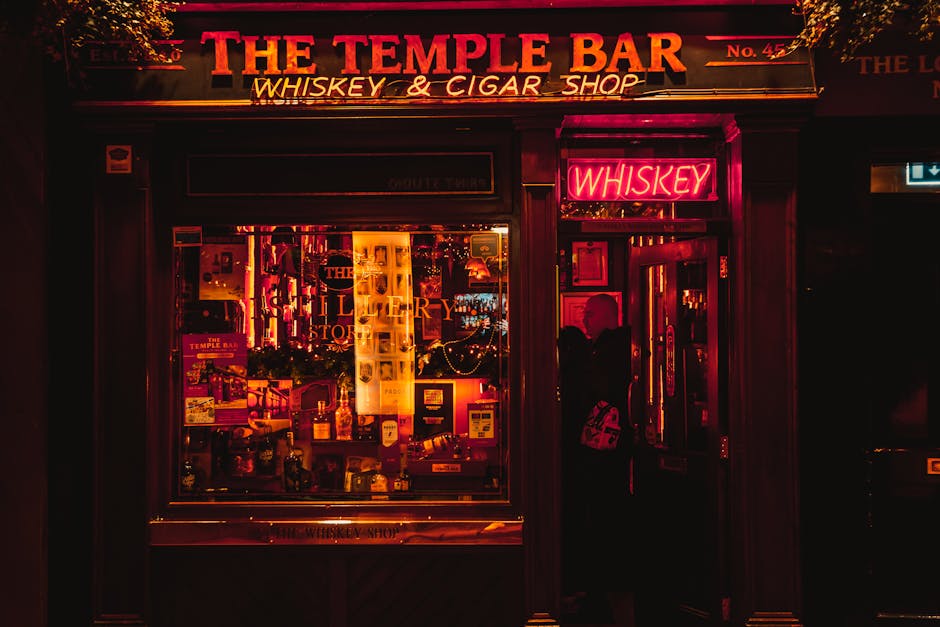
Dublin's pub culture is one of the great genuine things about the city. Conversations with strangers, live music that nobody announced, a Guinness poured correctly and taken seriously. It exists, it's real, and it's worth your time.
Temple Bar is not it.
What Temple Bar Actually Is
Temple Bar is a tourist district that has been optimised over decades to extract money from people who arrived expecting the postcard version of Dublin. The pints cost more, the music is performed rather than played, and the clientele on a Friday night is largely stag parties, hen parties, and visitors who were told this is where you go. The cobbled streets look charming in photographs. In person, at 10pm, they look like the world's most expensive student union.
None of this is a secret. Ask any Dubliner where they drink and Temple Bar won't come up unless they're recommending you avoid it.
The Price Problem
A pint of Guinness in Temple Bar regularly runs to 7 or 8 euros. Across the river in Smithfield, Stoneybatter, or Phibsborough, you're looking at 5.50 to 6.50 in places that actually serve locals. That gap adds up over a few days, and more importantly, the cheaper pint is in a better pub. The economics of Dublin tourism have created a two-tier city: the version priced for visitors, and the version Dubliners actually use. Temple Bar is entirely the former.
Where Dublin Pub Culture Lives
The Northside has absorbed a lot of what made Dublin genuinely interesting as rents pushed people out of the city centre. Stoneybatter, a short walk from the quays, has a cluster of neighbourhood pubs that haven't been redesigned to look like neighbourhood pubs. Smithfield, around the square, has a mix that leans more local than tourist. Phibsborough, further north, is quieter and better for it.
On the Southside, the area around Rathmines and Ranelagh has working local pubs within 20 minutes of the centre. None of these are secret discoveries, they're just not on the tourist trail because they don't have a marketing budget.
The thing about a real Dublin pub is that it functions as a social institution. People go there regularly, the barstaff know the regulars, and the atmosphere comes from the crowd rather than the decor. That takes time to develop and can't be installed. Temple Bar pubs were never going to have it because they were built for churn, not community.
Neary's and the Case for the City Centre
The city centre does have good pubs. Neary's on Chatham Street has been serving Dublin since 1867 and has the atmosphere to prove it. Mulligan's on Poolbeg Street is one of the most respected Guinness pours in the city and has resisted modernisation with commendable stubbornness. The Long Hall on South Great George's Street is genuinely beautiful Victorian pub architecture with no performance involved.
These places are a five-minute walk from Temple Bar. The difference in experience is significant.
The Guinness Question
Yes, go to the Guinness Storehouse. It's a well-run attraction and the rooftop bar has the best view of Dublin from any pint glass in the city. The queue moves, the self-guided tour works, and you'll understand why the pour matters by the time you get to the top. Just don't confuse it with a real pub visit. It's a brand experience, and a good one, but it's not the same thing.
What Dublin Does Well
Beyond the pubs, Dublin rewards the curious. The National Museum of Ireland is free and underrated, covering archaeology and natural history in adjacent buildings near Merrion Square. The Chester Beatty Library, which most visitors walk past without realising it exists, has one of the finest collections of manuscripts and rare books in Europe, also free, also worth two hours of your time.
The Georgian squares, particularly Merrion and Fitzwilliam, give you an architectural coherence that London and Paris have largely lost. Howth, 30 minutes on the DART, has cliff walks, a working harbour, and fish so fresh it shifts the benchmark.
Dublin has enough substance to hold a proper trip together. Temple Bar is a fraction of the city that has been handed over entirely to people passing through. The rest of Dublin is not like that.
Our Dublin city break guide covers the pubs worth your time, the neighbourhoods locals actually use, and how to get the most out of a few days without paying tourist prices for everything.

