ConciseTravel
Seven days in Dublin is comfortable. You will cover the city well and have time left over for day trips into the surrounding countryside. Dublin is not a huge city, and most of the main things to see and do are walkable from the centre. A week means you can do them all at a sensible pace without skipping anything important.
What a Week Actually Gets You
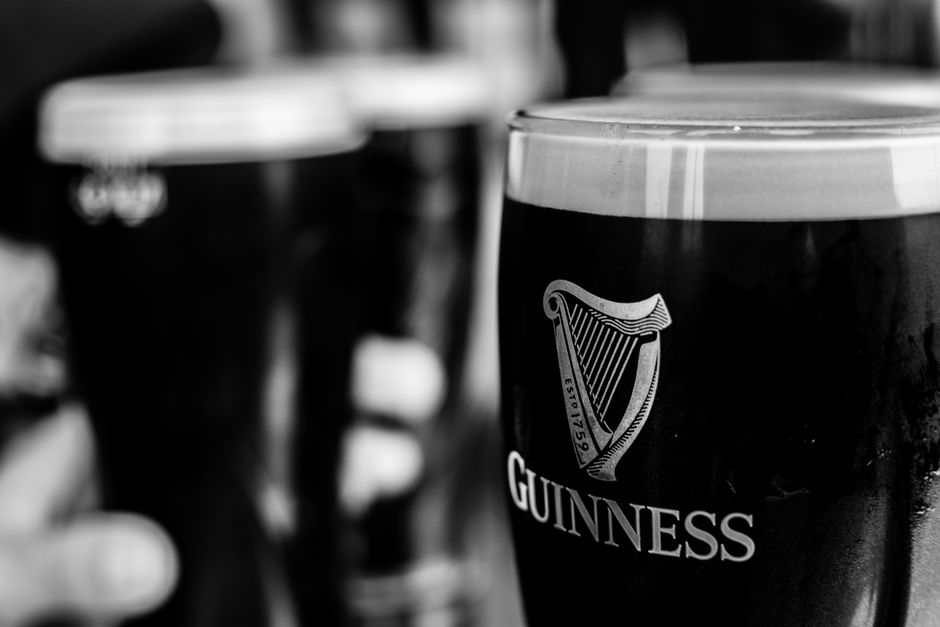
The Guinness Storehouse is a full half day. Trinity College and the Book of Kells deserve a proper morning rather than a rushed visit. The National Museum of Ireland (Archaeology) is free and very good. Kilmainham Gaol is one of the most important historical sites in Ireland and worth booking in advance. Dublin Castle, St. Patrick's Cathedral, and Christ Church Cathedral are all easy to combine into a walking day.
Temple Bar is worth seeing even though it is expensive and touristy. The real pub experience is a few streets away in places like Mulligan's or The Long Hall. Dublin's pub culture is one of the things worth actually experiencing rather than photographing, and a week gives you enough evenings to do it properly.
Dun Laoghaire on the coast is a 30-minute DART journey and a good way to get out of the city centre without going far. The Howth Peninsula to the north is excellent for a half-day cliff walk.
What Still Gets Left Out
The Irish Museum of Modern Art at Kilmainham is very good but tends to lose out to the historical sites nearby. The Chester Beatty Library, which is free and genuinely exceptional, is often missed by visitors who do not know to look for it. Glasnevin Cemetery and the adjacent museum are fascinating for Irish history but not on most itineraries.
Dublin's food scene has improved considerably and a week gives you time to actually explore it, though many visitors default to pub food and never discover the good restaurants.
How to Structure the Week
Days 1 and 2 go to the historical and cultural core. Trinity College, the National Museum, Dublin Castle, and a first walk through the main areas. Get comfortable with the geography.
Day 3 is Kilmainham. Kilmainham Gaol in the morning (book ahead), the Irish Museum of Modern Art in the afternoon, a walk along the Liffey in the evening.
Day 4 goes to the Guinness Storehouse and the Liberties. The storehouse is best in the morning before it gets crowded. The Liberties area around it is one of the oldest parts of Dublin.
Day 5 is a day trip. Glendalough in Wicklow is the most popular call and worth it: a monastic site in a genuinely dramatic valley, about an hour from the city by bus.
Day 6 is Howth or Dun Laoghaire. Good sea air, a manageable walk, and a very different view of Dublin from the DART line.
Day 7 is for whatever you did not quite get to, a return to a pub you liked, and the Chester Beatty Library if you missed it.
Plan the Week Right
Dublin is easy to navigate but the booking requirements and the best sequencing of the sites are worth sorting before you arrive. Our Dublin guide gives you the practical details to make the week run smoothly.
Get the guide here: https://concisetravelguides.etsy.com/uk/listing/4460428077/dublin-travel-guide-cheat-sheet-guinness
Master Dublin in Minutes
Don't waste hours planning. Get our condensed, digital cheat sheet with everything you actually need.
Shop Guide on Etsy →