 ConciseTravel
Dublin is not a cheap city, but its best cultural institutions are free, and the neighbourhoods, coastline, and public spaces that give it character cost nothing at all. Here is what to do without spending a euro.
Free Museums and Galleries
National Museum of Ireland — Archaeology on Kildare Street holds the finest collection of Irish antiquities in the world, free of charge. The Bog Bodies, the Tara Brooch, the Ardagh Chalice — genuinely world-class objects, no ticket required.
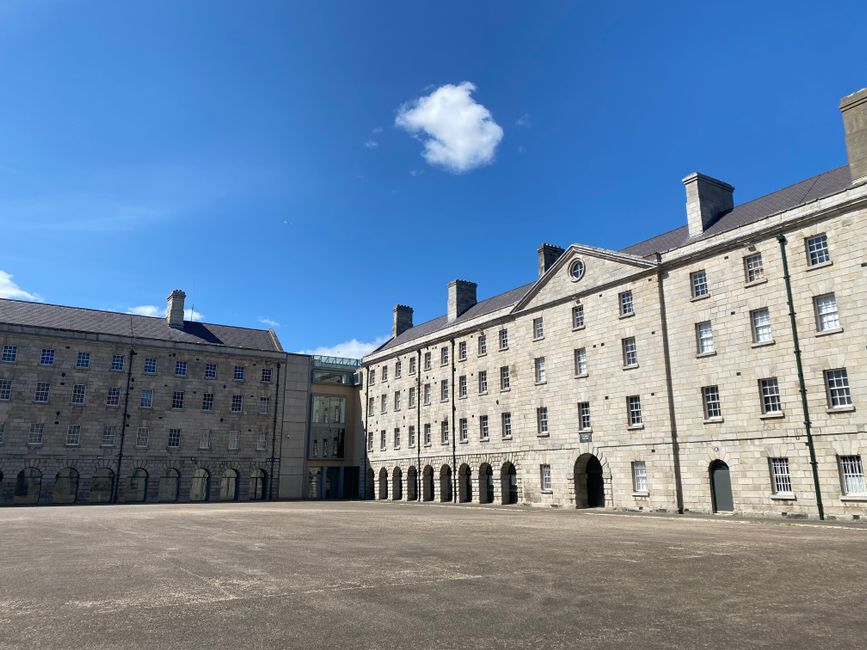
National Museum of Ireland — Decorative Arts and History at Collins Barracks covers Irish social history, furniture, silver, and military history. Free, and significantly less crowded than the Archaeology branch.
National Gallery of Ireland on Merrion Square holds a permanent collection that includes a major Caravaggio, a strong Dutch masters section, and the largest collection of Irish art in the world. Free year-round for the permanent collection.
Irish Museum of Modern Art (IMMA) at the Royal Hospital Kilmainham — free for the permanent collection. The 17th-century building and formal gardens are reason enough to visit.
Chester Beatty Library in Dublin Castle grounds — free year-round and repeatedly voted one of the best museums in Europe. The collection of manuscripts, papyri, and rare books assembled by Sir Alfred Chester Beatty is extraordinary.
Parks and Green Space
St Stephen's Green is the obvious central park: 22 acres, a lake, flowerbeds, and benches. Free to enter, used by everyone from office workers to tourists.
Phoenix Park is one of the largest enclosed urban parks in Europe at over 700 hectares. The Dublin Zoo sits inside it (ticketed), but the park itself — home to a wild herd of fallow deer — is free to walk. The Papal Cross, the Wellington Monument, and Áras an Uachtaráin (the President's residence, visible from the road) are all within the park.
Merrion Square Park is surrounded by Georgian townhouses on three sides. The park itself is free, the architecture around it is some of the finest in Ireland, and Oscar Wilde's reclining statue in the northeast corner is worth finding.
Neighbourhoods and Architecture
Georgian Dublin is best explored on foot. Merrion Square, Fitzwilliam Square, and the stretch along Baggot Street give you the full picture: red brick terraces, painted doors, brass knockers, and fanlight windows. No entry fee for the streets.
The Liberties and the Coombe is the oldest surviving working-class neighbourhood in the city. Thomas Street, the Coombe, and the streets around St Patrick's Cathedral reward a slow walk. Francis Street is the antiques strip if you want to browse without buying.
Stoneybatter and Smithfield in the north-inner city has become one of the more interesting areas to walk. The Cobblestone pub, the Jameson Distillery exterior, and Smithfield Square itself cost nothing to see.
Coastal and Canal Walks
Grand Canal and Royal Canal towpaths both run for miles through the city and out into the suburbs. The Grand Canal from Portobello to the docks is particularly pleasant — lined with locks, houseboats, and the occasional heron.
Sandymount Strand is a flat, wide beach about 3km south of the city centre, reachable by DART. The walk south along the strand to the Martello tower and back is a solid hour of free walking with good views of the bay.
Markets
Moore Street Market is the oldest street market in Dublin, running on the north side of the city centre. The stalls sell fruit, vegetables, and household goods. Free to walk, properly old-school.
Dún Laoghaire Farmers' Market runs on Thursdays and Fridays outside the Peoples Park. Free to wander, worth combining with a walk along the East or West Pier if you make it out to the coast.
Dublin rewards anyone willing to walk and look up. The museums alone would justify several days, and they are all free. For the planning detail — neighbourhoods, transport, and what to prioritise on a short trip — our Dublin city break guide has everything you need.

