ConciseTravel
Berlin doesn't run on the same assumptions as Paris or London. Here's what catches first-time visitors off guard.
1. Berlin still runs heavily on cash
More than almost any major European city, Berlin defaults to cash. Plenty of bars, clubs, smaller restaurants, and market stalls are cash-only — and the signage telling you this often appears after you've ordered. Carry cash. Don't assume contactless covers you.
2. The U-Bahn honour system has inspectors who aren't obvious
The Berlin public transport system runs on trust — you validate your ticket but there are no barriers. Random inspectors board and check. They don't look like inspectors. A fine (Erhöhtes Beförderungsentgelt) runs €60. The logic of "I'll risk it on a short journey" is exactly the logic that ends in a fine. Validate every time.
3. The city is genuinely huge
Berlin covers roughly 900 square kilometres — nearly ten times the area of Paris within its city limits. The major attractions are spread across neighbourhoods that can be 40–50 minutes apart on public transport. Planning back-to-back sites from opposite ends of the city on the same afternoon is a common first-timer mistake.
4. Neighbourhoods have distinct identities and you should pick one as a base
Mitte is central and tourist-dense. Prenzlauer Berg is calm, family-friendly, and full of good coffee. Kreuzberg and Neukölln are edgier, younger, and better for nightlife and food. Charlottenburg is more traditional and west Berlin in feel. The city you experience changes dramatically based on where you sleep.
5. Berlin's nightlife has actual entry standards
The famous clubs aren't guaranteed entry. Berghain in particular has a door policy based on vibe, dress, and perceived intent — groups arriving dressed to impress from a hen do are regularly turned away. Looking like you're there for the music and going alone or in small numbers helps. Queueing for three hours and not getting in is a common Berlin experience. Have a backup plan.
6. Checkpoint Charlie is a tourist trap
The site itself is historically significant. What surrounds it — actors in military uniforms charging for photos, souvenir stalls, a Madame Tussauds-style attraction — is one of the city's more cynical tourist experiences. The Topography of Terror museum nearby, which documents Nazi command and the SS in detail, is free, serious, and genuinely important. That's where the time should go.
7. The Berlin Wall remnants are scattered, not in one place
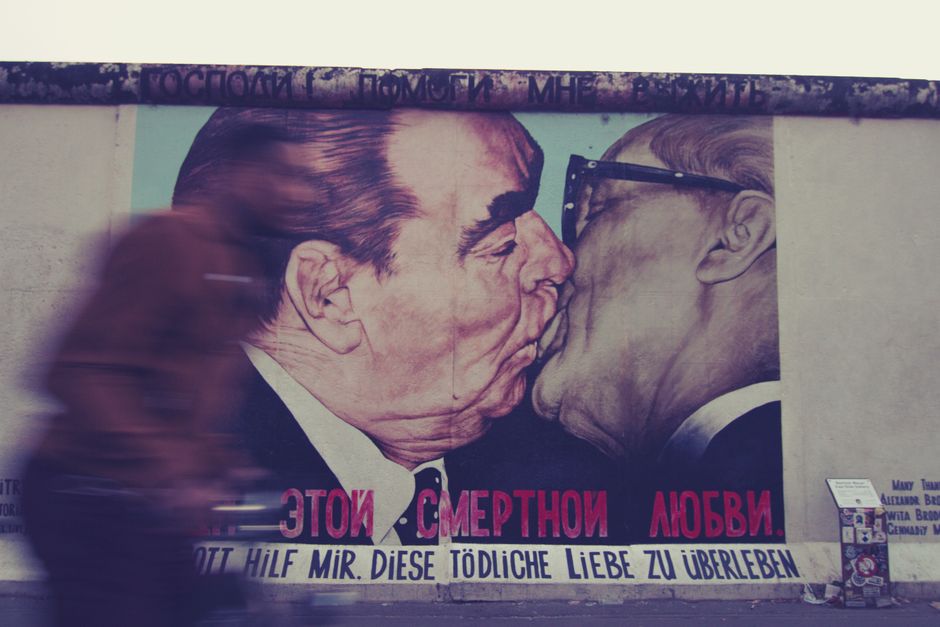
Most visitors assume the Wall runs in one visible stretch they can walk. What remains is spread across the city in fragments, with the East Side Gallery (a 1.3km painted section) being the longest piece. But the Memorial on Bernauer Strasse tells the story better than any single stretch. Understanding the geography of where the Wall actually ran through the city changes how Berlin makes sense.
8. Sunday shopping is limited
Germany's strict Sunday trading laws mean most supermarkets and shops are closed. If you're self-catering or need supplies, Saturday is the day to stock up. Restaurants, cafés, and bakeries open as normal — but don't plan a Sunday afternoon around running errands.
9. German directness isn't hostility
Berliners in particular have a reputation for being blunt. A waiter who doesn't smile and delivers food without ceremony isn't being rude — that's neutral service. Expecting the performative warmth of southern Europe or Southeast Asia in Berlin will read as a mismatch. The service is competent and honest; it just doesn't come with theatre.
10. Museum Island needs a half-day minimum
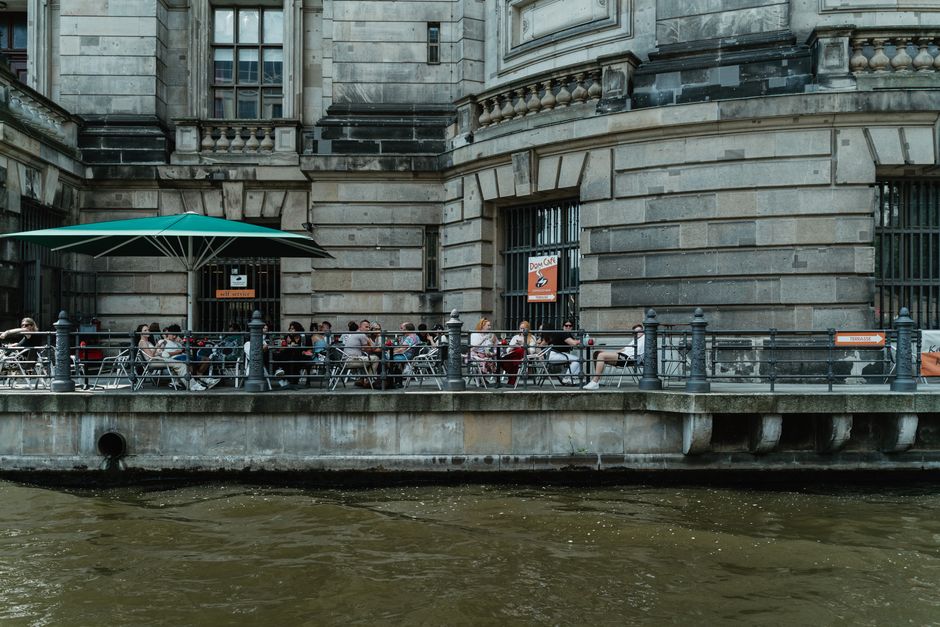
The five world-class museums on the island in the Spree — including the Pergamon and the Neues Museum — can absorb a full day. The Pergamon Altar is partly under renovation until 2027, but the rest of the site warrants serious time. A tourist who plans one hour for "the museums" is going to leave feeling like they missed it.
Master Berlin in Minutes
Don't waste hours planning. Get our condensed, digital cheat sheet with everything you actually need.
Shop Guide on Etsy →