ConciseTravel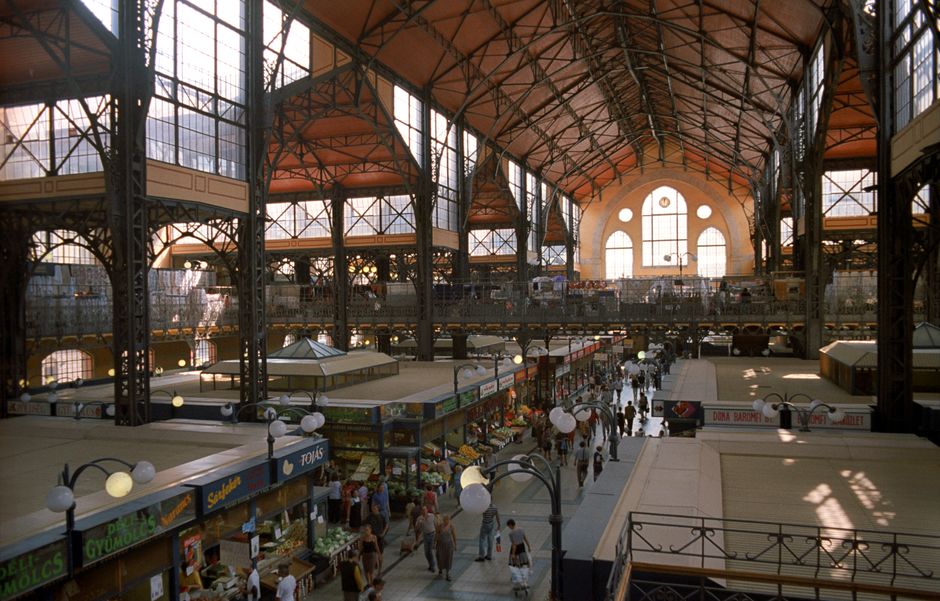
The Great Market Hall (Nagyvásárcsarnok) is a sprawling, cavernous Victorian iron structure filled with hundreds of vendors selling produce, meat, fish, cheese, spices, and about a million souvenir magnets. It's one of Budapest's top tourist attractions, and it's actually worth visiting—not because it's "touristy," but because it genuinely reflects how food culture works in Hungary.
This is both a working market where locals buy groceries and a tourist destination. Knowing how to navigate it makes all the difference.
What's Here
Ground floor:
- Fresh produce (vegetables, fruits, herbs)
- Meat and poultry vendors
- Fish stalls
- Cheese vendors
- Bakeries and bread
- Spices and dried goods
- Flowers (surprisingly, flowers are huge in Hungarian culture)
Upper floors:
- Souvenir shops (magnets, postcards, folk art)
- Spice vendors (paprika is the star)
- Tourist-oriented food stalls
- Restaurants and cafés with proper seating
What to Buy (And What Not To)
Worth buying:
- Hungarian paprika: Get it from a spice vendor on the lower level. Real paprika, not the touristy versions. Ask for sweet or hot (édés or erős). €3-5 for a proper tin.
- Saffron and other spices: Real spices, good prices compared to Western Europe.
- Cheese: Hungarian varieties if you're in the EU (can't bring outside EU). Liptauer cheese is famous.
- Fresh fruit: Incredible quality and cheap. Sour cherries in summer are legendary.
- Smoked paprika: If you cook, this is worth bringing home. €5-7 per jar.
- Hungarian salami: Buy from reputable vendors, vacuum-sealed. Around €8-12 per piece. It's actually good and it's cheap.
Tourist traps to avoid:
- Magnets with "Budapest" written on them
- Fake folk art made in China
- Overpriced pre-packaged "Hungarian" gift sets
- Herbal remedies with dubious medicinal claims
Eating at the Great Market Hall
The upstairs food stalls: Tourist-oriented, expensive by Budapest standards (€10-15 for a meal), adequate quality. Good if you want to eat while you're shopping, bad if you're hungry and want good value.
Specific recommendations:
- Langos vendors: Find them on the ground floor selling fresh fried bread. 600-800 HUF with garlic and sour cream (€2-2.50). Legitimately delicious, genuinely Hungarian street food.
- Paprika chicken stew vendor: Usually upstairs, ladled into a bread bowl. €8-10. Good if you're time-limited.
- Fresh juice and fruit stalls: Ground floor, vendors squeezing fresh orange juice or selling prepared fruit. €2-3 for a fresh juice.
Better strategy: Buy ingredients from the ground floor vendors, then eat at a restaurant in the Jewish Quarter (5 minutes walk). You'll get better food and better prices.
Prices
Everything is listed in Hungarian Forints (HUF), usually without decimal points. 1,000 HUF = about €3.30.
- Produce: incredibly cheap. Tomatoes €0.50/kg, lettuce €1/head
- Paprika: €3-5 per jar
- Salami: €10-15 per piece
- Cheese: €8-12 per 500g
- Fresh juice: €2-3
Prices are negotiable for volume purchases, but as a tourist buying single items, you pay posted prices.
Best Time to Visit
Early morning (8-9am): Locals shopping, fewer tourists, vendors are energized, produce is at peak freshness. It's genuinely different from later in the day.
Mid-morning (10-11am): Still good, fewer crowds than midday, vendors are still attentive.
Midday (12-2pm): Peak. Rammed. Hard to move. Every tourist in Budapest is here. Food stalls are heaving.
Afternoon (3-5pm): Clearing out. Vendors are less energetic (it's been a long day). Still some crowds from fresh tour groups.
Late afternoon (5-6pm): Quietest serious time. Vendors are winding down, but the market's still functioning. Good light for photos.
Weekend: Busier than weekdays, especially mornings.
Avoid: Wednesday-Friday 12-2pm (peak) if you want to actually browse without being jostled.
How to Navigate
The market hall is a maze. It's not organized logically—produce isn't in one section, meat another. It's chaotic and part of the charm (or frustration, depending on your tolerance).
Strategy:
- Get a mental map by walking the perimeter first (5 minutes)
- Identify which vendor has what you want
- Backtrack and buy in order of temperature (fresh first, frozen/preserved last)
- Head upstairs to eat or look at souvenirs
Photography: It's a beautiful space (the iron structure is genuinely beautiful), and vendors generally don't mind you photographing. Be respectful—ask before photographing someone's face.
What to Expect
Crowds: On a summer afternoon, it's shoulder-to-shoulder. On a winter Tuesday morning, it's manageable.
Smells: Fresh produce, meat, flowers, fish—all mixed together. It's a market smell, not bad, just intense.
Language: Most vendors speak some English. Older vendors might only speak Hungarian. Basic phrases help: "How much?" (Mennyibe kerül?) "One of that, please" (Egyet abból, kérem).
Prices: No haggling expected from tourists buying retail quantities. You pay what's posted.
Getting There
Tram #49 or #47 to Fővám tér (right at the market hall entrance) Metro M4 to Fővám tér Walking: Central location, about 10 minutes from Parliament
The entrance is obvious. Don't be shy walking in.
The Whole Experience Timeline
Full visit (shopping + eating + browsing): 2-3 hours Quick visit (grabbing paprika, eating langos, leaving): 30-45 minutes Photo and browse (no shopping): 30 minutes
Most people do the quick visit. If you're serious about cooking at home, the full visit is worth it.
What Not to Do
Don't buy everything immediately. If you're here in the morning and flying out at night, buy perishables last (or just skip them).
Don't change money at the market. ATMs are nearby—use those for better rates.
Don't leave bags unattended. Standard market safety—watch your stuff.
Don't expect credit cards everywhere. Many small vendors are cash-only. Have HUF on hand.
The Verdict
Great Market Hall is worth an hour of your time. Buy some paprika (you'll use it), try langos (you'll enjoy it), look at the architecture. It's authentic Budapest, it's an active market (not a tourist museum of what markets were), and it's genuinely interesting.
Skip the souvenirs unless you specifically want them. The real value is the food and the experience.